• CREATE AN ACCOUNT
  • LOG.IN
  • CONTENTS
  • CLASSIFIEDS
  • ARCHIVE
  • INFO | ADVERTISING | CONTACT US

  • Home
  • News
    • News Main Page
  • A&E
    • A&E Main Page
    • Movie Times
    • TV Listings
    • A&E Blog
    • Art Galleries
    • Best Bets
  • Opinion
    • Opinion Main Page
    • Blogs
    • Columns
    • Voices
    • Letters
    • In Memoriam
    • Obituaries
  • Events
    • Today
    • Search
    • Submit
    • Best Bets
  • Living
    • Living Main Page
    • Outdoors
    • Travel
    • Sports
    • Peeps
  • Food & Drink
    • Food & Drink Main Page
    • All Restaurants
    • Delivery
    • All Bars & Clubs
    • Drink Specials
    • Open Now
  • Sports
  • Outdoors
    • Outdoors Main Page
    • Outside Insider
    • Spotlight On
    • Features
  • Classifieds
    • Real Estate
    • Jobs
    • Autos
  • Obits

    Westmont College

    Westmont Telescope Captures Flaring Comet

    Celestial Body Visible to Naked Eye; Telescope Viewing on Nov. 16


    Thursday, November 8, 2007
    By Drew Mackie (Contact)
    Article Tools
    Print friendly
    E-mail story
    Tip Us Off
    iPod friendly
    Comments
    Share Article
    Facebook Facebook
    Twitter Twitter
    Google+1 Google+1
    del.icio.us. del.icio.us.
    Digg! Digg!
    Yahoo! Buzz Yahoo! Buzz
    diigo Diigo
    google google
    newsvine newsvine
    reddit reddit
    technorati technorati
    Yahoo! My Web 2.0 Yahoo!
    Share on Myspace Myspace

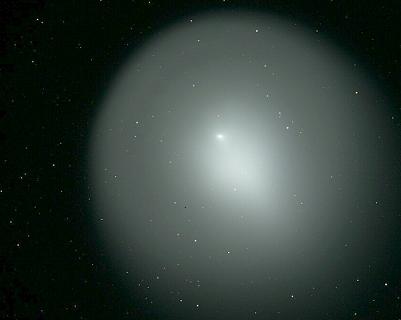
    Westmont astronomers reported today that the campus’s Keck Telescope has captured images of a “rare celestial surprise” - the sudden brightening of Comet 17P/Holmes, near the constellation Perseus on the northeastern sky. In a statement from Westmont, physics professor Michael Sommermann noted that the comet had previously been faint but had only recently become roughly one million times brighter. “When looking at the comet’s coma, it’s larger now than any object in our solar system aside from the sun and easily visible to the naked eye,” Sommermann said in a written statement. Although scientists have not determined why the comet became brighter, educated guesses include the comet being struck by a meteor, a gas-filled cavity having ruptured, and the disintegration of the comet’s core.

    Residents interested in seeing this celestial marvel can do so at the next public viewing on Friday, Nov. 16, at Westmont’s Carroll Observatory. Members of the Santa Barbara Astronomical Unit meet there every third Friday.
    Comments

    Independent Discussion Guidelines

    Log in to comment

    Forgotten your password?

    Sign up

    EVENT CALENDAR

    Previous Month | Next Month

    Today's Events Best Bets Submit an Event

    Local Weather

    Click here for current conditions

    Surf Report
    • Specials
    • InPrint
    • Top Emails
    • Summer Adventure Guide 2011
    • Wedding Guide 2011
    • Best Of 2011
    • 2010 Election Coverage
    • Blue Green Guide 2011
    • Local Heroes 2011
    • 2011 Calendar of Fundraisers
    • Local Bands
    • 2011 Foodie Awards
    • Stupid, Inept, or Corrupt?
    • It's My Life
    • Helicopters United
    • What Was Bacara’s Dworman Thinking?
    • White Denim Hits the Road with Wilco
    • Real-Life Red Tails
    1. S.B. Filmmaker Mike DeGruy Killed in Helicopter Crash
    2. Home Is Where the Hurt Is
    3. New Hospital Helipad Sees Heavy Action
    4. S.B. Symphony to Perform Tribute to Ansel Adams
    5. Bye Bye, Redevelopment Agency
    6. Stupid, Inept, or Corrupt?
    • CREATE AN ACCOUNT
    • LOG.IN
    • CONTENTS
    • CLASSIFIEDS
    • ARCHIVE
    • INFO | ADVERTISING | CONTACT US
    Google
     
    Independent.com Web
    Copyright ©2012 Santa Barbara Independent, Inc. Reproduction of material from any Independent.com pages without written permission is strictly prohibited. If you believe an Independent.com user or any material appearing on Independent.com is copyrighted material used without proper permission, please click here.
    This is our Privacy Policy.