
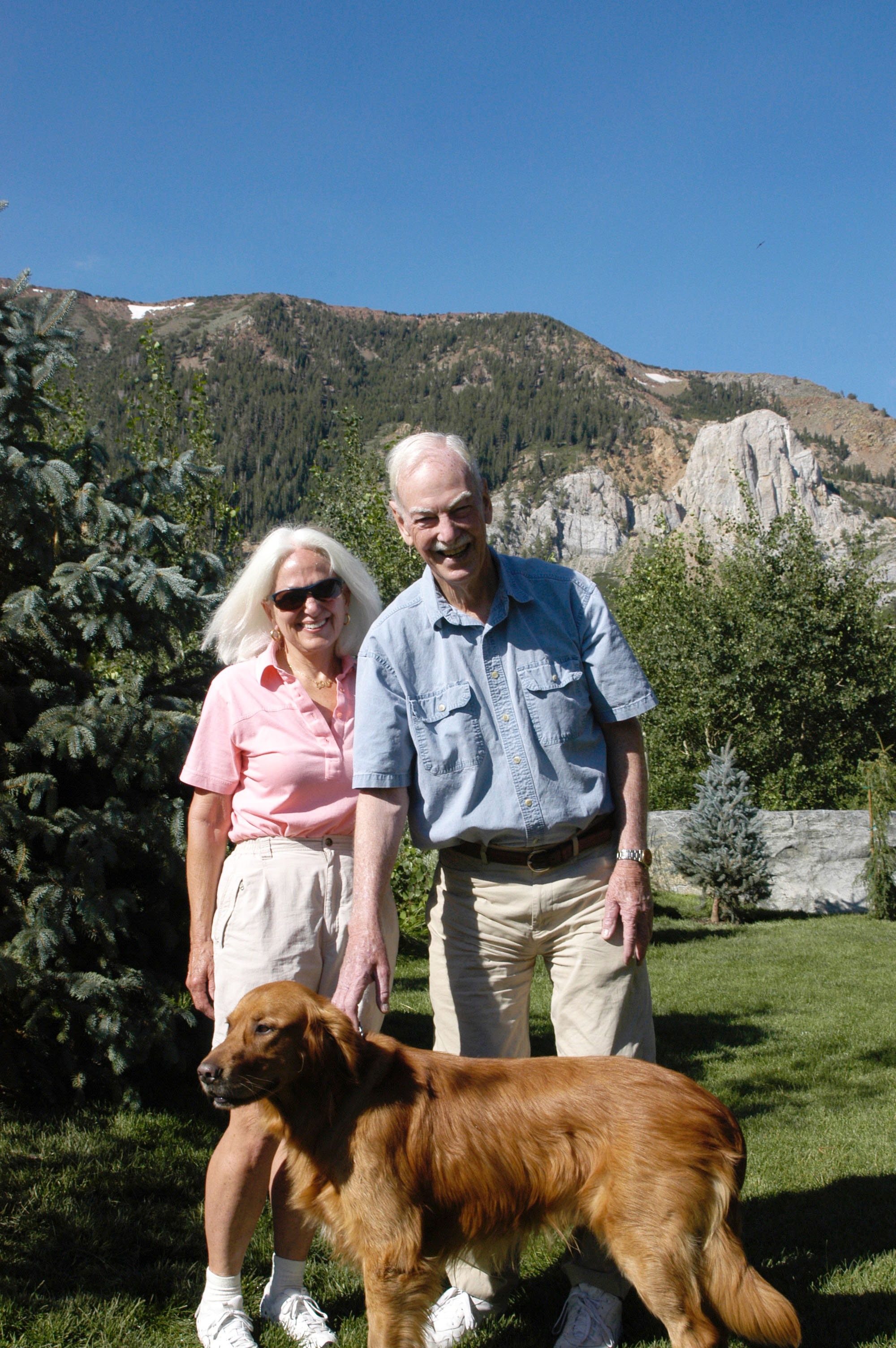
David Yager served as the county’s 1st District Supervisor during the 1970-1980s, a time of major transition in Santa Barbara. The area had grown from a small vacation destination to a magnet for tech industries. Commensurate with the new industry was the growth of the faculty and student body at UCSB. The lemon and walnut groves that once covered Goleta valley were replaced by housing tracts. The entire county’s vast agricultural land was under pressure for urban development.
David, who was born and grew up in Santa Barbara, came home after a tour of duty as a naval officer and with a law degree from Harvard. He set up his law practice, married, and within a few years became a father of three boys. In 1975 David decided to run for 1st District County Supervisor; his platform was controlled housing and business growth linked to availability of services and resources. That platform was a bit of a stretch for David, who was a pro-business Republican, but he believed measured growth would save Santa Barbara from becoming another sprawling Los Angeles. His election resulted in him often being the swing vote on development proposals, the “decider” on a philosophically divided Board of Supervisors.
His swing vote was never more important than when considering Exxon’s 1986 appeal from the Planning Commission’s requirement that the company operate under the county’s air quality rules. Exxon planned to expand production from its lease in federal waters of the Santa Barbara Channel to 400 million barrels of oil. It wanted to abandon a ship anchored near the platform, which it had been using for the separation of the oil, gas, and water. Instead, it proposed an enlargement of the small oil facility in Las Flores Canyon to accommodate the increased production.
The county preferred that onshore expansion scenario to having a ship in federal waters outside county or state jurisdiction. The Planning Commission’s caveat for coming onshore was that Exxon must abide by the county’s air quality rules, stricter than the federal standards. Santa Barbara was already in noncompliance for ozone. Exxon testified the county rules required technology that was too expensive. Exxon filed an appeal to the Board of Supervisors.
In considering his vote, Yager was torn between his business instincts and his environmental protection leanings. He loved the outdoors and often skied or hiked at Mammoth, where he owned a condominium. So, feeling the pressure for his final vote on the Exxon appeal, he left town for a long weekend in nature. When he came back for that Tuesday supervisors’ meeting, he voted to back the Planning Commission and, with his swing vote, denied Exxon’s appeal. It was after Yager’s vote that Exxon’s Don Cornett, believing he had the votes for the company, infamously said, “You can stick by your agreement or you can stick it in your ear.”
Exxon appealed to the Secretary of Commerce, Malcolm Baldridge, who sent a hearing officer to Santa Barbara to take testimony. Baldridge had the authority to overrule the county “in the national interest.” In a victory for the health of the citizens of Santa Barbara, Baldridge allowed county air rules to prevail. It set a precedent. Exxon came onshore.
David was a conservative in most aspects, but he leaned liberal in believing that government had a role in creating a better society. Many of his political appointments went to progressive women, and he supported giving women a larger voice in governing. He was instrumental in starting the County Commission for Women in 1973. He saw a need to promote the well-being of women and girls, where economic disparity sometimes had left them with special needs in healthcare, childcare, and safety. He supported the creation of the Human Services Commission, which advises on how funding is given to nonprofit organizations working to provide basic services through safety net programs throughout Santa Barbara County. He championed the creation of the County Arts Commission to promote greater cross cultural community engagement and to bring art to public places. The Arts Commission, along with the Santa Barbara Bowl Foundation, awards annual grants to support artists and projects to enrich the lives of residents throughout the county.
On meeting David, you would be impressed with a ramrod tall, lean man. He had a keen mind and a wicked sense of humor. Behind the scene of the imposing supervisors’ meeting room, raucous laughter could be heard as David would regale with his observations and stories. Once in a while during a meeting, an open mic would catch a quip never to be forgotten. Working for and with Supervisor David Yager was a joy. He was elected three times and served 12 years in the office. In 1988 he lost his bid for re-election, or as he wrote for his own obituary, he “was retired by popular demand.”
Joan Wells is a former Planning Commissioner, and Carol Hawkins was David Yager’s administrative assistant.

