

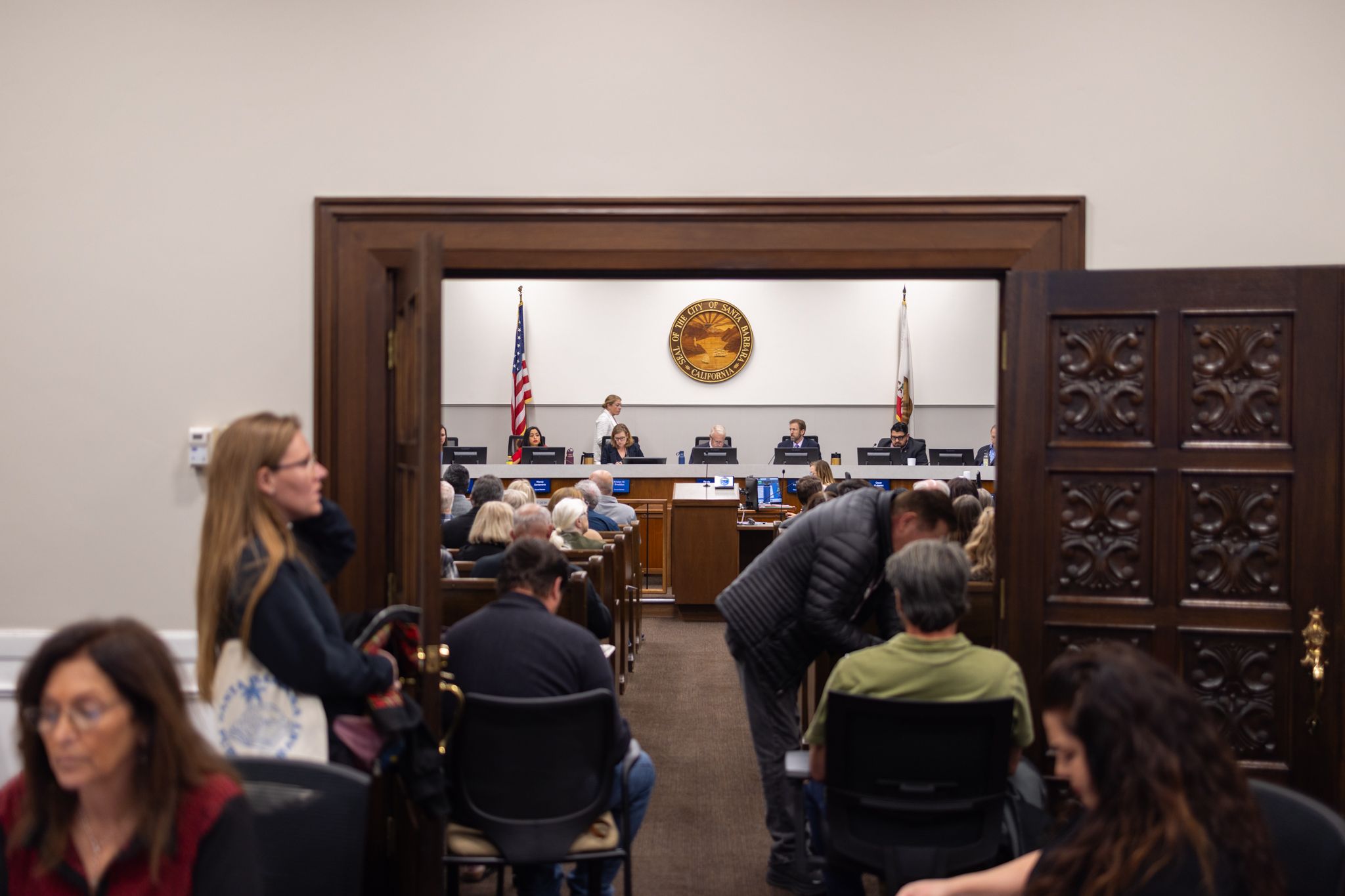
Sometime this year, the Santa Barbara City Council is going to pass rent stabilization. The only question is what form it will take.
Last October, two City Councilmembers unveiled a 15-page rent stabilization ordinance that would have capped rent increases at 60 percent of the Consumer Price Index (CPI). That equates to roughly 1.7 percent. This is well below inflation and does not come close to the real-world cost increases property owners face such as insurance, utilities, repairs, and maintenance.
The backlash to this proposal was appropriately swift and negative. Even Councilmember Meagan Harmon, one of the council’s biggest advocates for rent stabilization, publicly condemned the proposal as secretive, poorly conceived, and likely to do more harm than good.
I believe she was right. I also believe a fair and effective rent stabilization policy is possible.
Under state law, cities and counties can only regulate rents in buildings constructed before 1995. That’s important because it is in older buildings that most of our community’s “naturally occurring affordable housing” exists. These units rent at below market prices without government regulation.
Landlords providing naturally occurring affordable housing charge lower rents voluntarily. Some do it out of principle. Some understand they’ll attract better tenants who stay longer. Whatever the reason, the result is more affordable housing.
Ironically, the October rent stabilization proposal exempted: “Rental Units owned, operated, and managed by a City of Santa Barbara government unit, agency or authority.”
What is the logic behind protecting government-owned properties that are highly subsidized and required by law to keep rents low, but imposing rent increase caps on landlords who voluntarily keep their rents low, and do so without funding from the government?
There is a rent stabilization approach that could meaningfully help renters without jeopardizing privately owned naturally occurring affordable housing.
Specifically, any local rent stabilization policy should exempt from regulation any units that are rented at levels affordable to people earning up to 120 percent of Area Median Income; 100 percent AMI is $119,000 for a family of four in the City of Santa Barbara.
When housing advocates and government officials talk about “the missing middle” or “workforce housing,” they are most often referring to people in the 81-120 percent of AMI range. Much of our naturally occurring affordable housing is priced at or below these levels.
Again, these owners keep rents below market voluntarily. They deserve our support and protection.
Through all the rancor and divisiveness on this issue, media coverage missed the important fact that Councilmember Meagan Harmon recently suggested an approach like this be considered.
Whatever form rent stabilization ultimately takes, exempting landlords who voluntarily charge rents that are affordable for people earning less than 120 percent of AMI protects both renters and those great landlords who provide our local naturally occurring affordable housing.
Ben Romo is a local consultant focused on housing, government relations, nonprofits, and philanthropic services. He does not own rental property and is not a landlord.

