

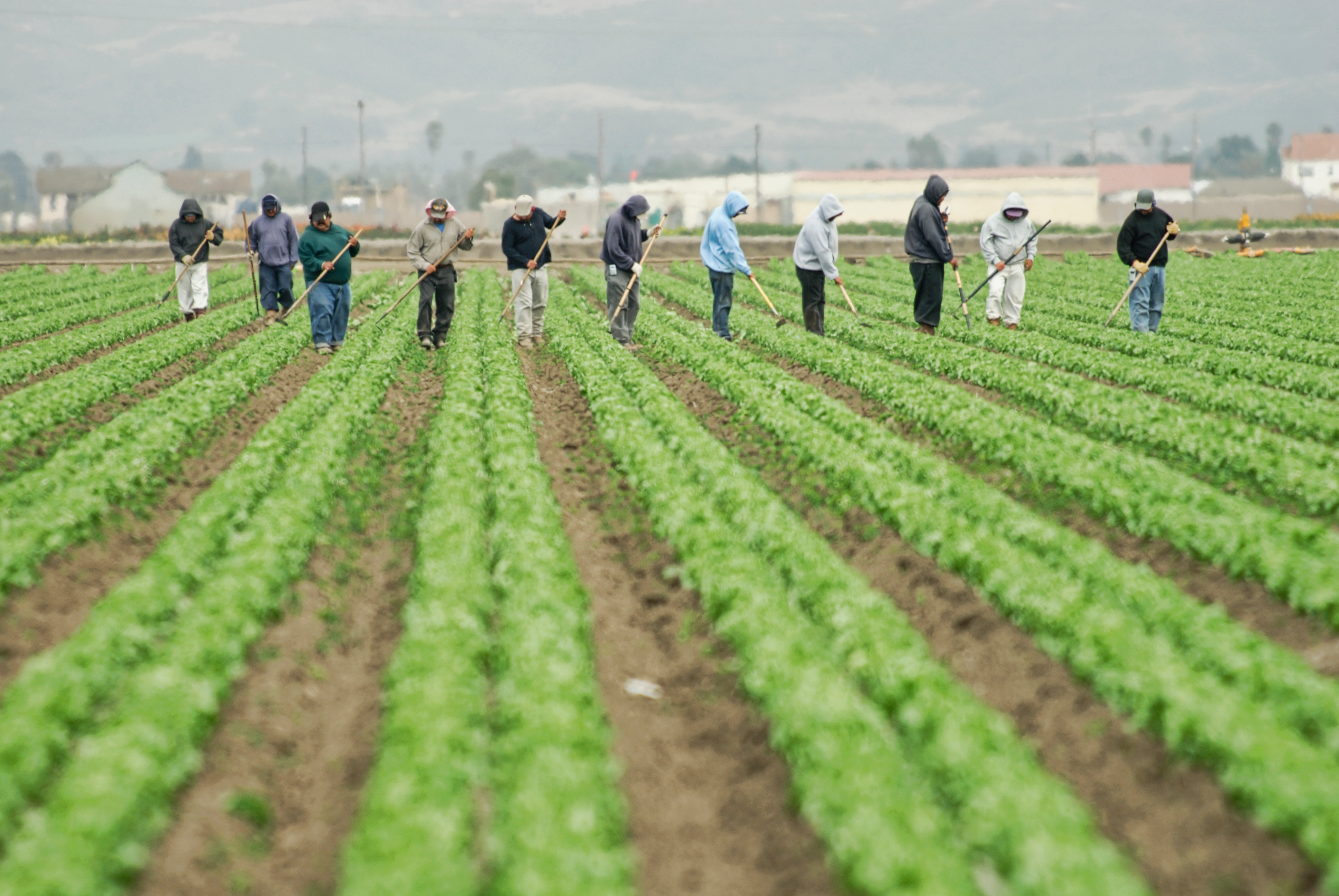
By the time most of Santa Barbara wakes up, fields in the valley have already been picked. Hotel linens are stripped and washed. Dish pits are running full tilt. This is the shift that keeps the county running — and a lot of it is done by people whose legal status has been in limbo for years.
Migrants Are Great Americans too. Many came from Mexico (our fellow North American nation), Central America, or South America. They are raising families, paying rent, keeping businesses running. They are my friends and the extended family we have chosen. Immigration status notwithstanding, they are law-abiding people. What unites them is not their paperwork but their willingness to do the hard work that keeps this country running. Those who want to make America great again, might start by recognizing that the people doing that show up, work hard, and contribute whether or not the law has caught up. They’re living out the founding bargain.
Lately, enforcement has returned to focus. Raids, checkpoints, viral videos, and conflicting hashtags have pushed immigration straight into our feeds. The story is framed as a simple moral test: for or against “illegals” or “ICE.”
That framing misses something essential and uncomfortable: Our local economy is far more dependent on migrant labor than we like to admit.
Santa Barbara County’s agriculture, landscaping, hospitality, and a good chunk of its construction and service sectors run on migrant labor. Some of that labor is fully documented. A lot of it is not.
Ask small growers how many willing, U.S.-born workers line up for back‑breaking field work in the hot sun. Ask restaurant owners how easy it is to staff dishwashers, bussers, and cleaners at wages that keep the menu remotely within reach of residents. Ask hotels what happens to turnaround times if the workforce shrinks suddenly by double digits.
We have backed ourselves into a corner. Our economy depends on full plates, clean rooms, and manicured grounds. We have also tolerated, for decades, a political and bureaucratic limbo where a large share of that labor is “not really here” on paper.
Wanting immigration policy enforced is not immoral. In fact, the frustration is justified: Long-term tolerance of unauthorized entry and visa overstays corrodes trust in the rule of law. It creates perverse incentives for migrants who risk everything based on rumors of leniency. It also rewards employers who learn that looking the other way is cheaper than compliance.
Most will not go on the record. But off the record, they will say some version of: “If they all disappeared tomorrow, we’d be in real trouble.”
But “enforce the law” is not a magic spell. The real task is to rebuild a system where immigration policy is credible again: where there are authorized pathways for needed workers, real consequences for people who break serious rules, and fewer incentives to live in the shadows in the first place. Not every pathway needs to lead to citizenship. Legal work status is itself a meaningful reform.
For decades, agriculture has used the federal H-2A guest worker program for seasonal foreign labor. A parallel program, H-2B, exists for non-agricultural seasonal work — hotels, restaurants, landscaping — but faces similar constraints: strict caps, bureaucratic hurdles, and employers who find the informal economy easier.
We have seen serious attempts to fix the obvious gaps. The Farm Workforce Modernization Act, which our Representative Salud Carbajal co-sponsored, would have given many longtime farmworkers a chance to earn legal status by proving years of agricultural work, while overhauling H-2A to make it usable for year-round roles.
If a cautious expansion and reform of existing guest worker and authorization programs sounds like a better option than our usual all-or-nothing partisan bargaining, it’s worth saying out loud: this doesn’t have to mean citizenship. Legal status to work, contribute, and stay is a compromise worth holding space for.
As residents and readers:
• Pay attention when farmworker, H‑2A, and broad immigration bills come up, and voice your support.
• When you write or show up at town halls, say out loud that you want both: real borders and an authorized channel for the workers our economy already relies on. Whether or not that channel leads to citizenship.
As local officials:
• Hold public hearings that put numbers on the table: farmworker counts, hospitality vacancies, the impact of raids on crops and tourism.
• Pass resolutions that call out concrete federal bills (not just “comprehensive reform”) and ask our delegation to move them, not just praise them.
None of this is as satisfying as calling the other side monsters. It does not promise a clean win for one tribe. But if we are serious about the work that keeps towns fed, cleaned, and running, this is the kind of work it will take.
We do not lack for ideas. We lack the will to choose anything more demanding than outrage.

