

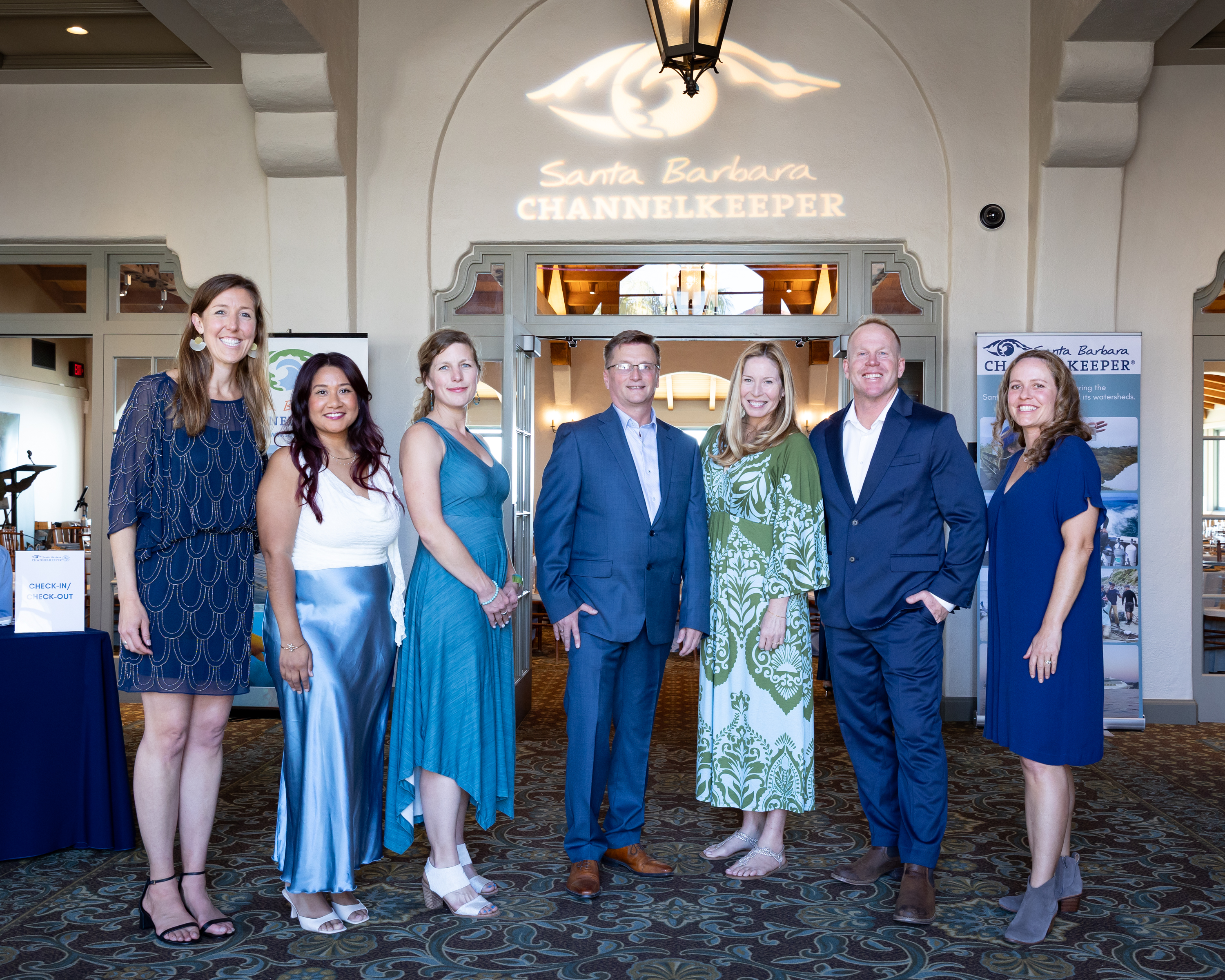
On March 14, the small but mighty nonprofit Santa Barbara Channelkeeper (CK) celebrated its 25th anniversary at its annual Blue Water Ball. Nearly 200 supporters gathered, rather fittingly, at the seaside Cabrillo Pavilion, to mark the milestone in its work protecting and restoring the S.B. Channel and local creeks and rivers. Each year, Channelkeeper engages in science-based environmental advocacy, education, fieldwork, community engagement, and enforcement. The entire community greatly benefits from their multifaceted work.
Guests enjoyed a lovely reception, dinner, and program emceed by local nonprofit leader Geoff Green. The program featured Assemblymember Gregg Hart, Chumash representative Mia Lopez, and Executive Director Ted Morton, who reflected on Channelkeeper’s operations, its accomplishments, and the challenges confronting our community.
According to Morton, Channelkeeper is a connector: bringing various people, knowledge, and action together to create lasting change. Through its beach cleanups and other activities, Morton related, CK brings community members together to protect places they love. Over the years, CK has mobilized nearly 5,000 volunteers for cleanups along our coasts and on the Channel Islands, removing nearly 70,000 pounds of trash, including lobster traps and other marine debris.
Through its various education programs, CK introduces students to local waters and wildlife, focusing on schools with under-resourced families, whose kids may otherwise not have these opportunities. There are both classroom components and the much more fun and engaging on-the-water components. Morton explained that when “young people connect with nature, they are healthier, happier, more inquisitive, and encouraged to care for the world around them.” Over the years, more than 43,000 youth have participated in CK’s programming.
CK provides key data to policymakers gleaned from its ongoing water quality monitoring, its pollution investigations, and its research. Morton pointed to CK’s lead role in the community-wide effort to reshape the city’s cruise ship program, which resulted in an annual cap on the number of ships, a requirement for advanced pollution control technology, and speed limits to minimize whale strikes and harmful emissions.
Channelkeeper was among the groups opposing Sable Offshore Corporation’s attempt to restart offshore drilling. It spoke out against the threat and encouraged community members to do the same when county and state agencies weighed decisions. It is one of the groups being represented by the Environmental Defense Center in legal actions against Sable.
Morton lamented the Trump Administration’s invocation of the Defense Protection Act the day before the event to authorize Sable to restart production, calling it a rare power grab that circumvents state laws and regulations and disregards our community’s overwhelming opposition to the risky project. Morton pointed to Sable’s troubling track record of water quality violations, criminal charges, and a record fine from the CA Coastal Commission.
Assemblymember Hart shared that within hours of Trump’s action, Governor Gavin Newsom, the Lieutenant Governor, Senate Leader Monique Limón, Speaker Robert Rivas, and he all strongly asserted their determination to fight this latest attempt to circumvent state environmental protections.
On the very day of the event, Sable announced that it was resuming production at Platform Harmony, with oil flowing from its Las Flores processing facility on the Gaviota Coast through its pipelines to Pentland Station in Kern County. This development makes Channelkeeper’s work even more vital to our community.
When Channelkeeper was founded, initially as a program at the Environmental Defense Center, S.B. County had the highest number of public health warnings for water quality of any coastal county in the state, whereas now, thanks in part to CK, the number is negligible.
Among the nonprofit’s achievements was securing an agreement with the City of Santa Barbara in 2012 to repair or replace 34 miles of aging sewer infrastructure that posed serious risks to the community. After advocacy efforts failed to persuade the city, Channelkeeper filed a lawsuit, which resulted in the agreement and a subsequent 91 percent reduction in sewage spills.
More generally, over its 25-year existence, Channelkeeper has played a key role in improving water quality and coastal health from Point Conception to the Ventura River and from the Channel Islands to the inland Santa Ynez mountains.
With climate impacts increasing and environmental protections weakening, Morton emphasized that Channelkeeper’s work in bringing together science, community action, and advocacy has never been more important.
Channelkeeper operates with a lean and dedicated staff of seven and a $1.1 million annual budget. It receives about 40 percent of its funding from government and nongovernmental grants and relies on the community for significant support.
Next month, Channelkeeper and the Commercial Fishermen of Santa Barbara will hold their annual lobster trap cleanup on our beaches. Those interested in participating can learn the date, once it is announced, and details on Channelkeeper’s website, http://www.sbck.org. Those wishing to make a donation to CK can do that on the website too.
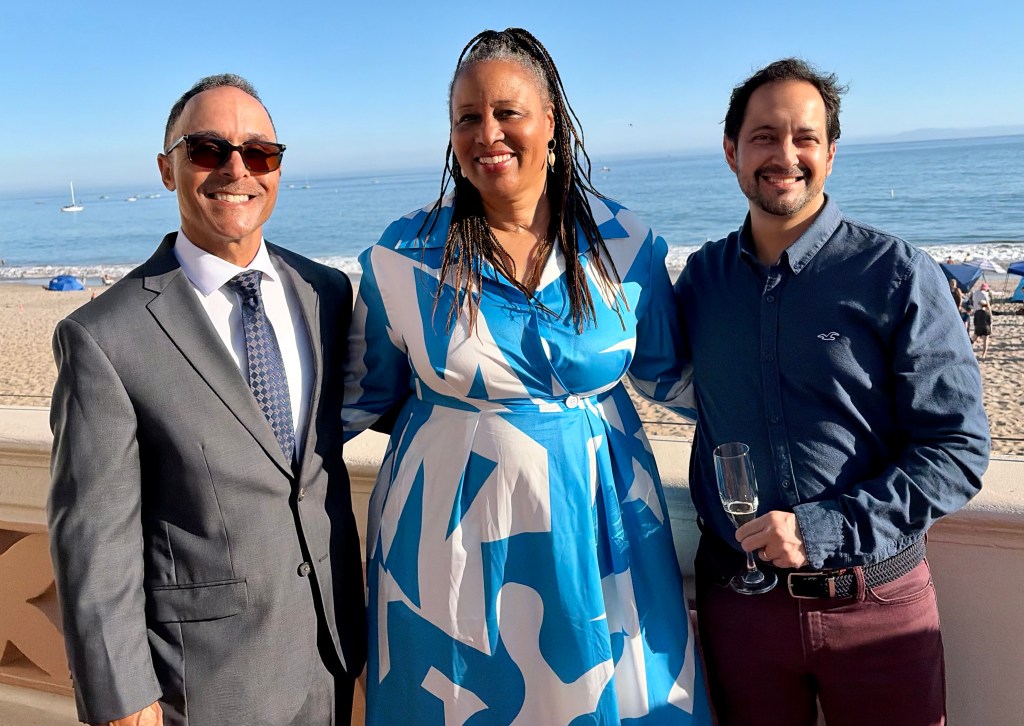
Spiro Nomikos, Boardmember Kim Bluitt, and Boardmember Jose Castro-Sotomayor | Gail Arnold
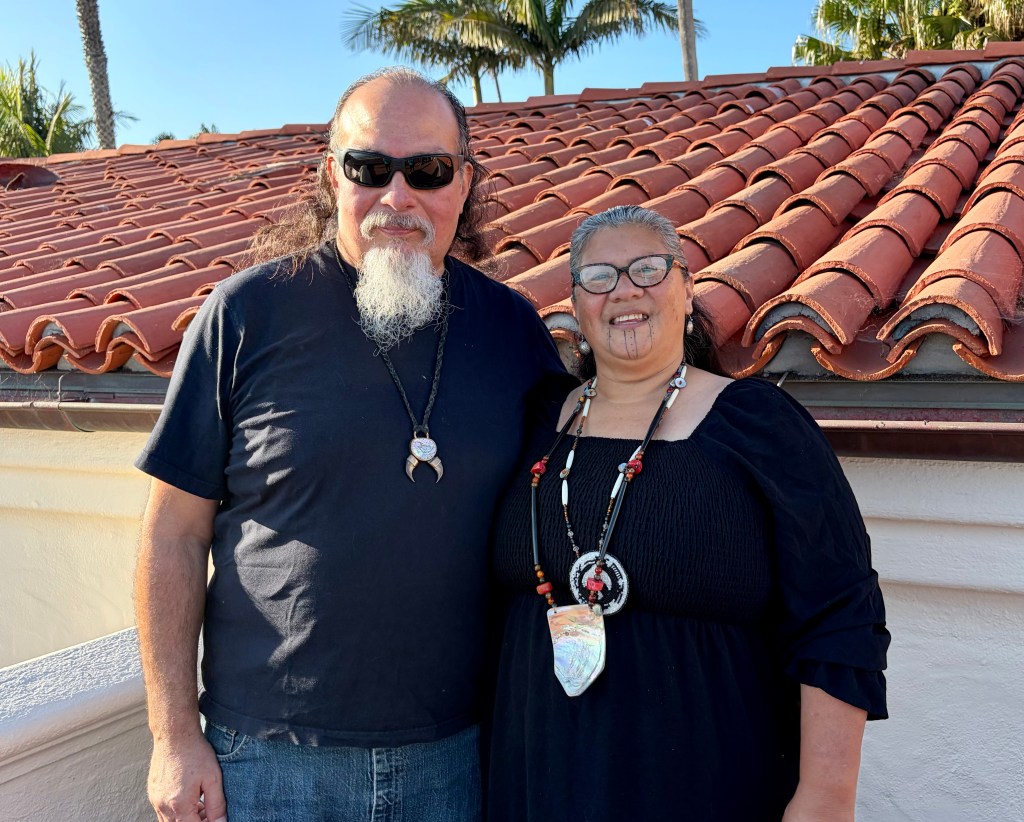
Chumash artist John Khus and Coastal Band of the Chumash Nation member Maria Elena Lopez | Gail Arnold
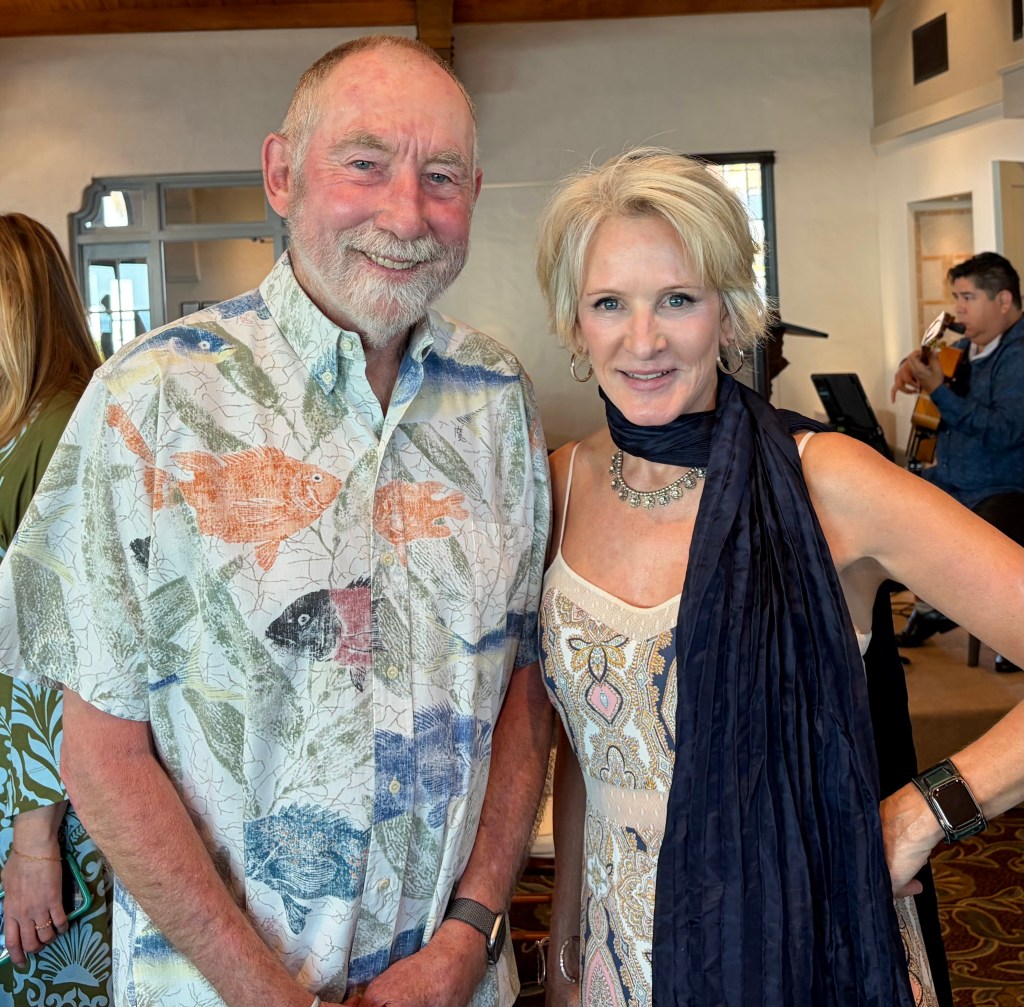
Boardmember Bob Warner and Board VP Kathy Rogers | Gail Arnold


You must be logged in to post a comment.