

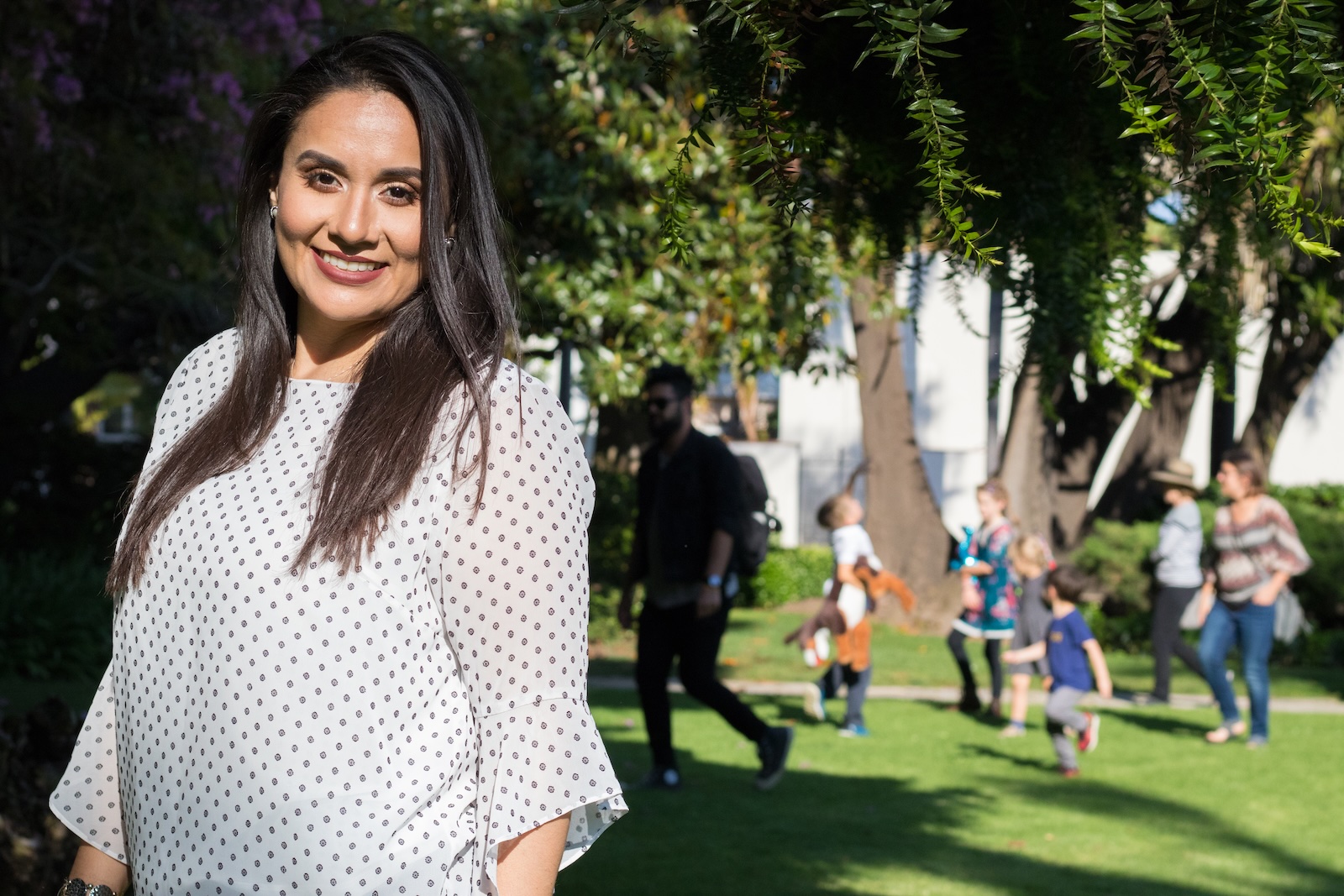
I never set out to be a politician. I stepped into public service to do what I believed was right for my community — even when those decisions were difficult or unpopular.
As a former city councilmember, I was often the swing vote. That meant I wasn’t there to follow a script or serve a political agenda — I was there to ask thoughtful questions and make decisions based on what I believed was right. Behind closed doors, my vote was guided by one principle: accountability. I worked to ensure that decisions were fair, that justice was served, and that taxpayer money was used responsibly.
That independence came at a cost.
At one point, I had the support of the Democratic Party. But when I chose not to endorse certain candidates or align with particular positions, that support shifted. The experience was difficult, but it also reinforced my belief that public service should be grounded in independent judgment, not political alignment.
My experience revealed something bigger than one campaign.
For years, Democrats have held the majority in this county. With that majority comes responsibility. Yet many of the issues we continue to discuss today — housing, cost of living, and public safety—have been ongoing challenges. It is fair for voters to ask how we can move beyond discussion and toward meaningful, long-term solutions.
There is also a growing gap between what is discussed publicly and what is achieved.
We hear consistent calls for more affordable housing, and rightly so. At the same time, the path to increasing housing supply is often complex and at times met with resistance. During my time on the council, I proposed a housing initiative aimed at expanding opportunities for working families — one that I believed could help reduce displacement, support long-term residents, and contribute additional revenue to the city.
That proposal ultimately did not move forward.
In my view, this reflects how challenging it can be to advance solutions in a political environment where consensus is difficult to achieve. It also highlights the importance of creating space for open dialogue and collaboration, even when perspectives differ.
We see similar challenges in fiscal decisions. Policies intended to address community needs can also place added pressure on working families, while the city continues to navigate financial constraints. These are complex issues, but they require careful consideration and accountability.
On issue after issue, there is a need to close the gap between intention and outcome.
Leadership is not only about listening — it is about building consensus, making thoughtful decisions, and delivering results that improve people’s lives. It requires balancing different perspectives while staying grounded in the needs of the community.
Meanwhile, the impact on our community is real. Many longtime residents feel uncertain about their future here. Educators continue to advocate for better wages and working conditions. And there is a growing sense that civic trust can be strengthened through greater transparency and engagement.
Local elections matter. They shape our daily lives more than we often realize. And voters deserve thoughtful leadership, clear communication, and accountability.
There is also an opportunity to reflect on the direction of local Democratic leadership. For many, the Democratic Party has long represented working families, opportunity, and community. It is important that those values continue to guide decision-making in a way that reflects the diverse voices within our region. Moving forward, that means encouraging open dialogue, welcoming different perspectives, and focusing on practical solutions that serve the broader community.
I know speaking out can be difficult — I’ve experienced that firsthand. But meaningful change depends on participation. If you care about your community, take the time to stay informed, ask questions, and engage in the process. Thoughtful, engaged voters are essential to building a stronger future for all of us.
Alejandra Gutierrez served as Santa Barbara City Councilmember for District 1 from 2020-2024.

