

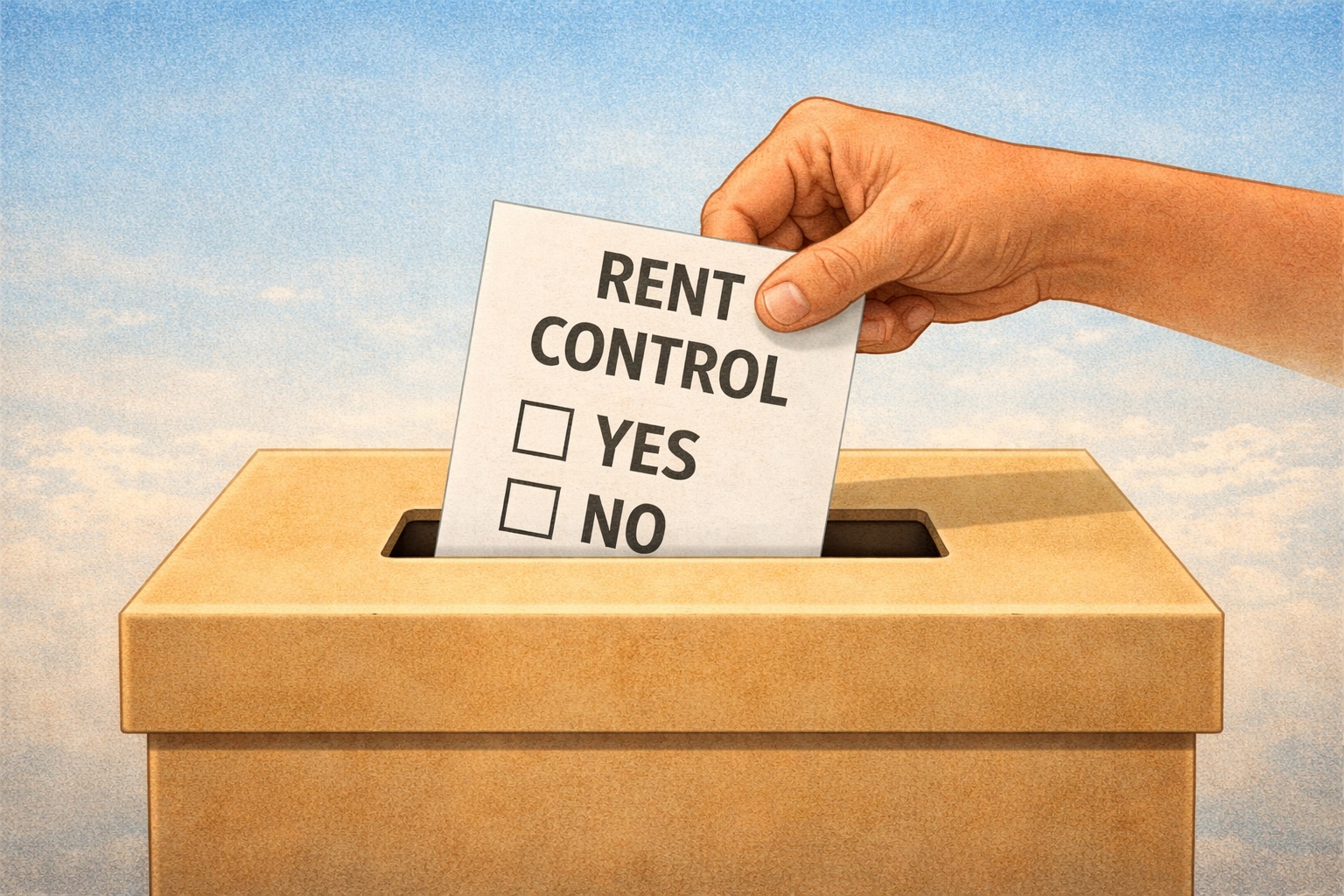
Santa Barbara is once again at a crossroads on rent stabilization. Emotions are high. Testimony has been passionate. And the stakes for renters, housing providers, and the broader community are significant.
That is precisely why the city should place the proposed rent-stabilization ordinance on the ballot and allow voters to decide.
Santa Barbara is not starting from scratch. The city is currently operating under a temporary rent freeze while policymakers refine a long-term approach. In addition, tenants are protected by existing local and state laws. At the state level, AB 1482 caps annual rent increases for many units and requires just cause for certain evictions. The Costa-Hawkins Rental Housing Act sets guardrails for how local rent control systems may operate.
Locally, Santa Barbara has adopted just-cause eviction standards, anti-harassment protections, relocation requirements in certain circumstances, and one-year lease offer provisions. These are codified and enforceable. In other words, our community is not without safeguards while policymakers consider what permanent system should govern the years ahead.
With those protections already in place, the question is not whether stability matters. It does. Our entire community deserves stability including renters, housing providers, and the neighborhoods we all share. The real question is how to create lasting stability and how a permanent rent stabilization ordinance, one that could shape the local housing market for decades, should be adopted.
For a policy of this magnitude, that decision should rest with the voters.
This Is Not Delay. It Is Deliberation
Some argue that sending rent stabilization to the ballot would slow progress. But renters are not unprotected today. The rent freeze and existing state and local tenant protections remain in effect while community focus groups and policy development continue.
The November 2026 election is just seven months away. In the lifespan of a regulatory framework that could govern thousands of rental units for years to come, eight months is not inaction, it is deliberation. During that time, the city can finalize clear ordinance language, produce a transparent fiscal analysis, and ensure the public understands how the system would function.
Placing the ordinance on the ballot does not pause tenant support. The city can, and should, continue working with tenants and housing providers to provide education, outreach, compliance guidance, and strengthened mediation services. Existing protections remain enforceable. Immediate support and careful long-term policy design are not mutually exclusive.
Temporary measures address urgency. Permanent systems deserve broader consent.
Fiscal Transparency Matters
Rent stabilization is not simply about setting a cap on rent increases. It requires a permanent administrative structure including staffing, hearings, enforcement, compliance monitoring, and ongoing program management. Those costs do not end once the ordinance is adopted; they continue year after year.
Santa Barbara is already working to close budget deficits and prioritize limited public resources. Before creating a new regulatory system with long-term financial obligations, voters deserve a clear fiscal impact statement explaining how it will be funded. Will new fees be required? Will general fund dollars be redirected from other services? What are the projected annual costs five or 10 years from now?
If added to the already scheduled November 2026 election, the incremental cost of placing the measure on the ballot is modest compared to the ongoing expense of building and maintaining a complex regulatory framework. Transparency about those costs should come before adoption, not after.
Leadership and Legitimacy
Elected council members are chosen to make difficult decisions. But rent stabilization is not a routine policy adjustment. It restructures rental agreements across the city and creates systems that will operate for decades.
Choosing to place this measure before voters is not a retreat from leadership. It demonstrates that representative democracy and direct democracy are complementary tools. When a policy fundamentally reshapes the housing market, voter ratification strengthens legitimacy.
The recent council vote was 4–3, and public engagement suggests a community that is nearly evenly split. When a policy of this magnitude advances on a narrow margin in a city that appears close to 50–50, legitimacy matters.
A ballot measure allows the debate to conclude with a clear mandate, one way or the other, reducing long-term polarization and strengthening civic cohesion.
The rules that will govern our housing market for decades should not rest on a narrow margin of the council. They should rest on a decision made by the community as a whole. If rent stabilization is the right long-term path for Santa Barbara, it will earn majority support.
At a moment of division and fiscal uncertainty, the most stabilizing step may be the most democratic one.
Let the voters decide.

