

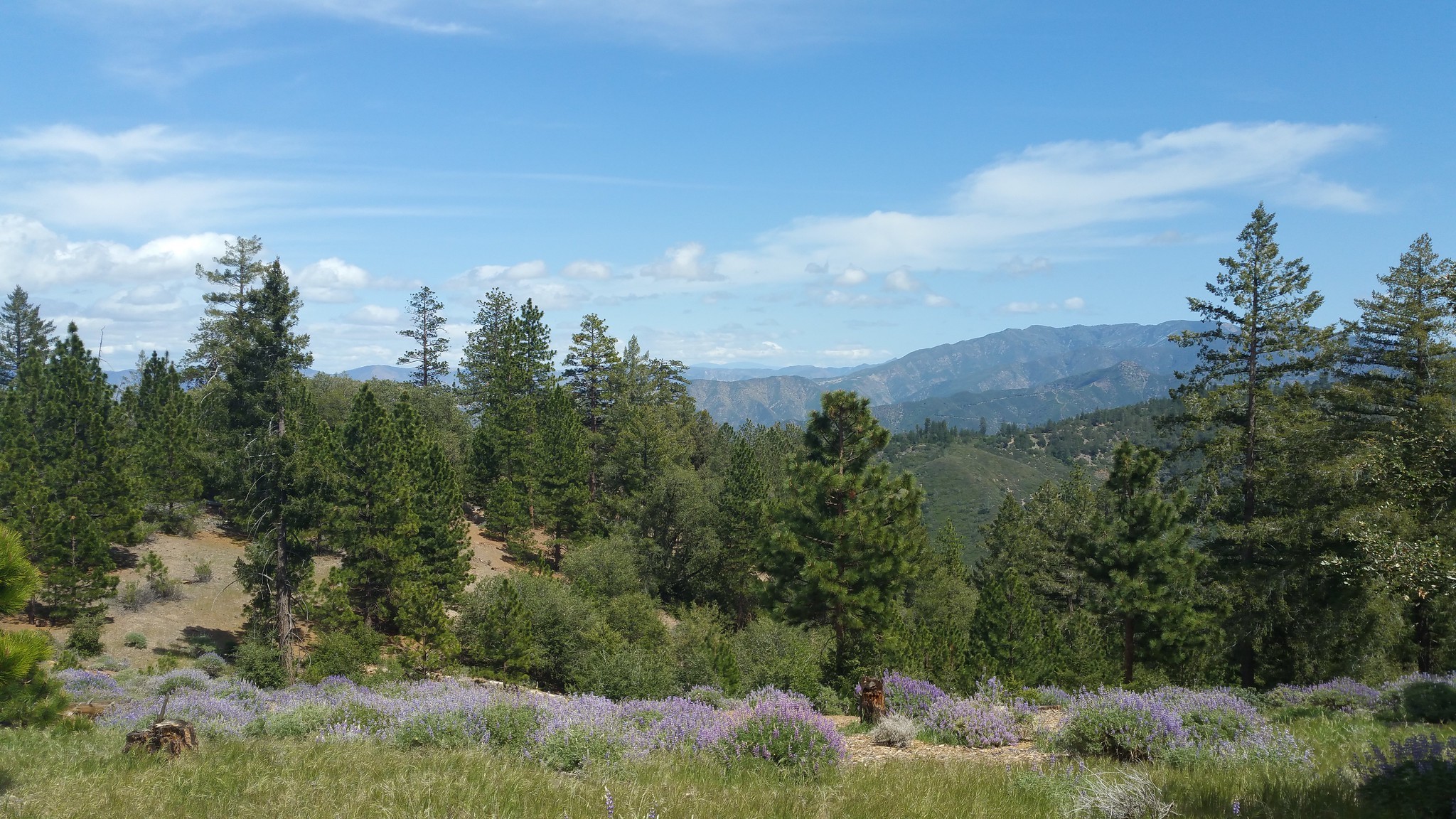
You might not know it but the water from our kitchen taps begins high in the peaks of the Santa Ynez Mountains. Growing up in Southern California and now living in Santa Barbara, I’ve watched fire creep over the ridgelines, and it has taught me how closely our safety and drinking water depend on the health of these forests. When rainfall finally comes through Los Padres National Forest, the water flows into the Santa Ynez River and down to Lake Cachuma, the reservoir that provides pristine drinking water to a quarter million people along the coast of Santa Barbara. The health of these forests is what keeps the water and rivers our community depends on flowing clean.
Now imagine those same mountains cut open by new roads and logging scars.
The Roadless Area Conservation Rule, or Roadless Rule, was created in 2001 to protect nearly 59 million acres of the wildest parts of our national forests from road building and large-scale logging. These are the places without roads, where watersheds are the healthiest and still function largely as nature intended.
The Roadless Rule has earned broad, bipartisan support for decades, with national polling showing that nearly 75 percent of Americans want its protections preserved.
That protection is now under direct threat. The Roadless Rule is being rescinded opening the door to new disruptive activity in places that have stayed untouched for decades. If that happens, the forests that keep Santa Barbara’s water clear could be carved up.
In California, the rule safeguards around four million acres of national-forest land, including roughly 635,000 acres right here in Los Padres.
California is only part of the story. Our national forests across the country are where America’s rivers are born. Forested lands filter and supply drinking water to more than 60 million people in communities large and small. The roadless areas within them are the beating heart of that system. The Roadless Rule is one of the strongest tools we have for protecting the vital places and the vital services they provide us.
When roads cut into a mountainside, the land changes. Rain that once soaked into the forest soil instead hits compacted ground and races downhill, carrying mud into rivers that should run clear. After the Rey and Whittier fires in 2016 and 2017, more than half of the Lake Cachuma watershed burned, sending ash into the reservoir. This runoff contaminates local creeks and overwhelms the reservoir, making it harder and more expensive to deliver safe drinking water to Santa Barbara. This could be exacerbated if the Roadless Rule was rescinded.
Research shows roads invite risk. The majority of fires start near roads so more roads equal more fire. When cars, equipment, and power lines are allowed into remote backcountry, they bring sparks that can ignite wildfires. Real fire resilience means keeping our forests healthy and intact because the more these slopes are cut open, the less the land can protect itself.
Repealing the Roadless Rule would imperil some of the most important forested river regions in the country, from the Sierras to the Southern Appalachians. These areas are natural infrastructure, helping keep our water systems clean and dependable. More roads in the forest means more sediment in streams which increases water treatment costs for downstream communities. Preserving these places costs little, but every mile of new road becomes a financial burden, adding to an already multibillion-dollar backlog of road repairs the Forest Service is unable to afford.
The forests above Santa Barbara are the reason our water runs clean and our community is protected from fire and flooding. The Roadless Rule keeps those watersheds intact, safeguarding the people and places downstream.
As these forest protections are stripped away, now is the moment for our community to stand up and tell the Forest Service to protect drinking water of Santa Barbara.
Bella Astin is a junior at UC Santa Barbara and a communications intern with American Rivers, a national conservation organization working to make every river clean and healthy for people and wildlife.

