

Read more from our SBIFF 2026 cover story here.
In Joachim Trier’s brilliant and Oscar-poised film Sentimental Value, one prominent theme is the dizzying blur between film and life, the old reel versus real conundrum. That very sensation can take over the consciousness of festival film fans when SBIFF hits town. The menu of possibilities overfloweth, with more than 200 choices from around the globe and around the genre spectrum to choose from.
We have culled some reliable intel and surveyed a tidy pile of advanced screeners to highlight and serve up as recommended fare, as the festival games begin. This selective survey also conveys some core principles in the festival’s programming agenda, tending to a variety of demographics, artistic gender (half of the films are by women), categories, and filmgoers’ emotional dietary restrictions. Vis-à-vis the latter, sometimes the more feel-good or happy-ending-machined movies fit the bill when darker, “serious” cinema options seem hard to take in this hard-to-take historical moment.
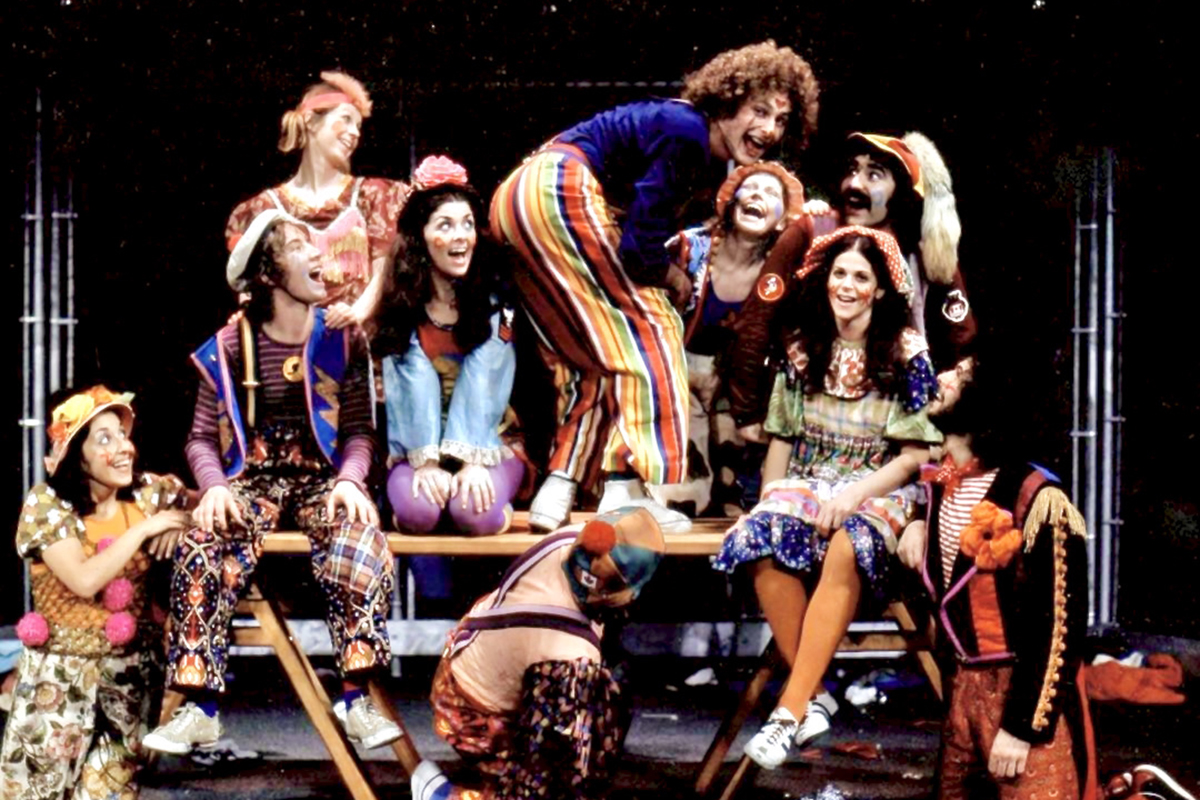
On that feel-good front, one of the prime contenders this year is You Had to Be There, a bit of film-about-comedy-about-legacy, in a comic relief package. On paper, a synopsis of the Nick Davis–directed doc’s subject may seem dry and/or obscure, focused on a particular production of the musical Godspell in Toronto in the 1970s — and one reconstructed only from a bootleg audio tape and recollections of the cast and creators. But what a cast! In effect, the doc tells the origin story of the great southward migration of later-famous Canadian comic forces who went on to feed the comedy institutions Saturday Night Live (SNL) and Second City, including Martin Short, Paul Shaffer, Eugene Levy, Andrea Martin, and with telling commentary by Canadians Mike Myers, Dan Aykroyd, and current young whippersnapper SNL members.
As Short comments deep into the film, “The impact is intense, from the tentacles of that cast.” Davis wisely keeps the story engaging, with the help of animated sequences and cross-cutting interview segments, bringing to life a tall cultural tale which started out with gifted twentysomethings in Toronto.
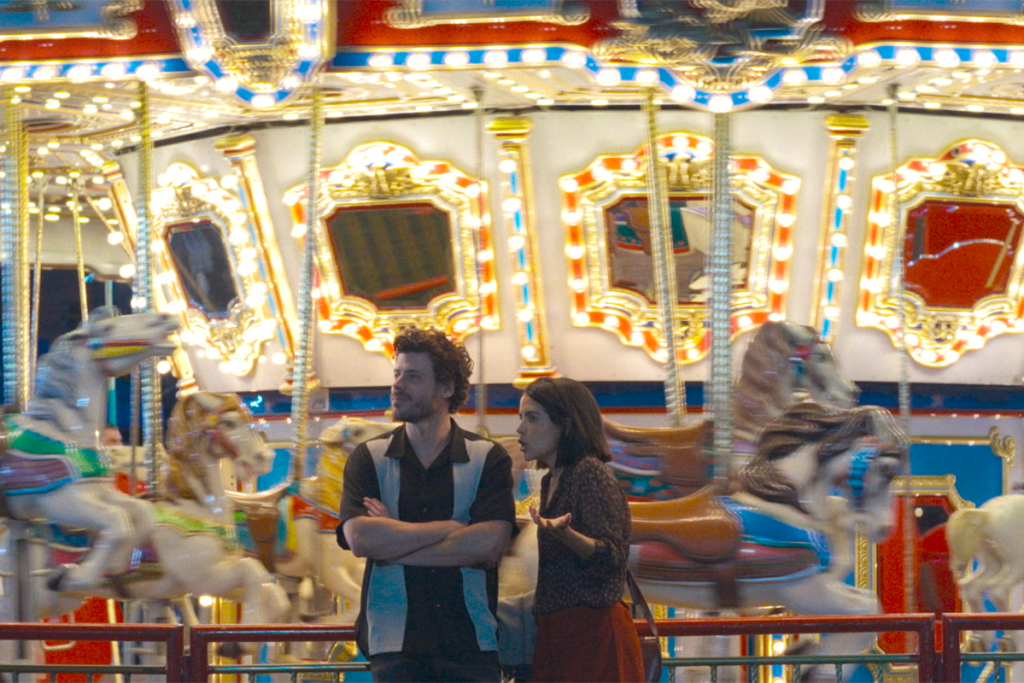
Another warm bath of a film on the roster comes to us from the seldom-visited cinematic source of Costa Rica, Hernán Jiménez’s Abril. Our protagonist is a single mother seeking love, of the romantic sort but, more pressingly, the love of her fickle adolescent daughter, lured into the prospect of moving in with her wealthier father. It’s a sharply crafted entry on rom-com terrain, but with more depth and a more exotic milieu — by Hollywood standards — than usual.
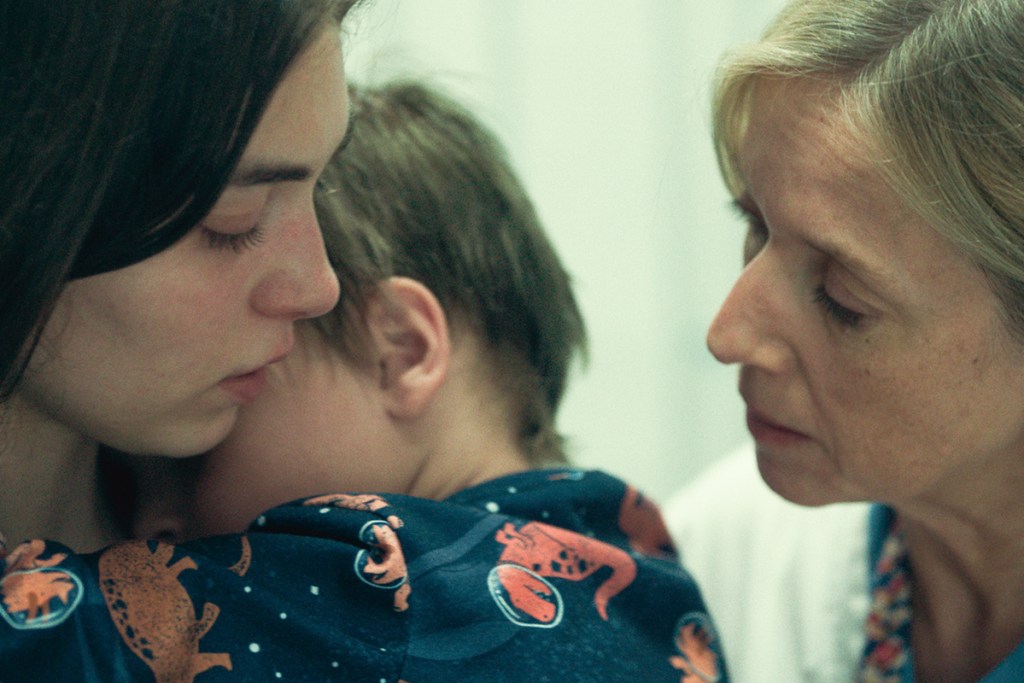
Maternal angst takes on a grittier tone and direction in Belgian director Laura Wandel’s impressive Adam’s Sake, a naturalistic and almost doc-like depiction of life in a pediatric ward. The tense dynamics are rooted in the efforts of a rule-bound doctor and a rattled, emotionally wracked mother of young Adam, whose resistance to eating brings to mind the struggles at the center of the powerful recent film If I Had Legs I’d Kick You. A similarly suppressed and then explosive energy lines the narrative of this uncompromising Belgian film.
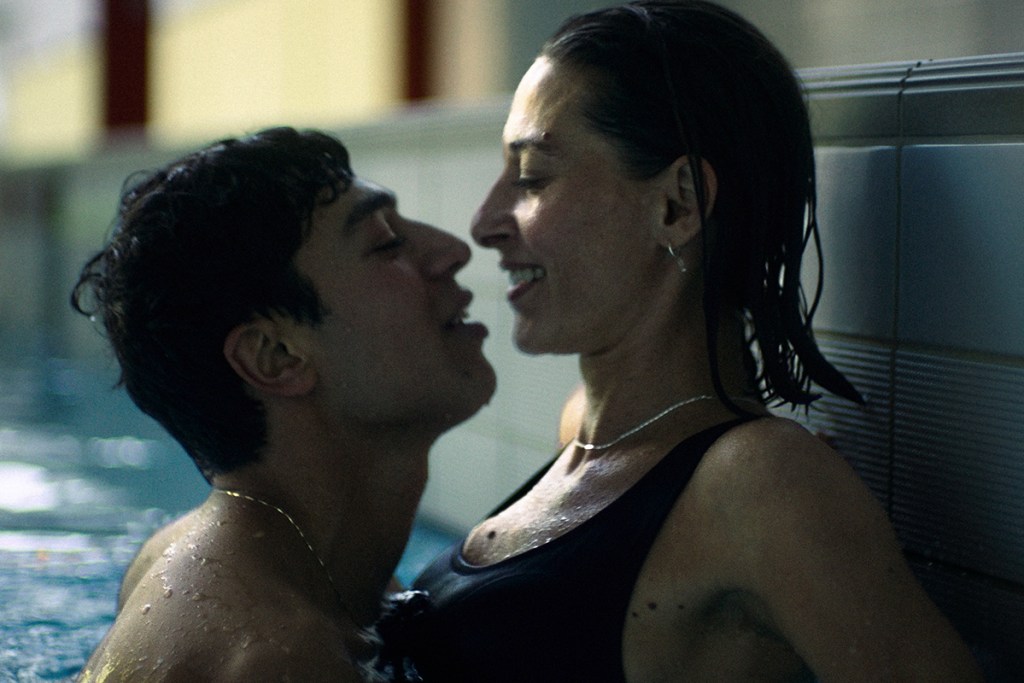
Speaking of Norwegian family dynamics, with Don’t Call Me Mama, writer-director Nina Knag has cooked up a distinctive variation on the genre theme of secret teacher-student affairs. In the tale, middle-aged high school teacher Eva (deft and measured actress Pia Tjelta) falls into sympathy, and then more, with charming Syrian refugee Amir. Or is that his actual name? Mysteries complicate the story. Knag skillfully and seamlessly conveys the process by which the two are linked and magnetized, and moral complexities that arise on the downside of an affair.
The film presents an anatomy of an amorous encounter and deepening bond, of an illicit and, on various fronts, dangerous sort. It traces the arc of a dangerous relationship, from titillation to dissolution and recrimination. The closing and opening scene finds Eva’s husband, the town mayor, accepting his election win and praising his trusted wife, but we have an insider, more nuanced, and damning knowledge of what has transpired leading up to that public moment. This is one of my festival faves so far.
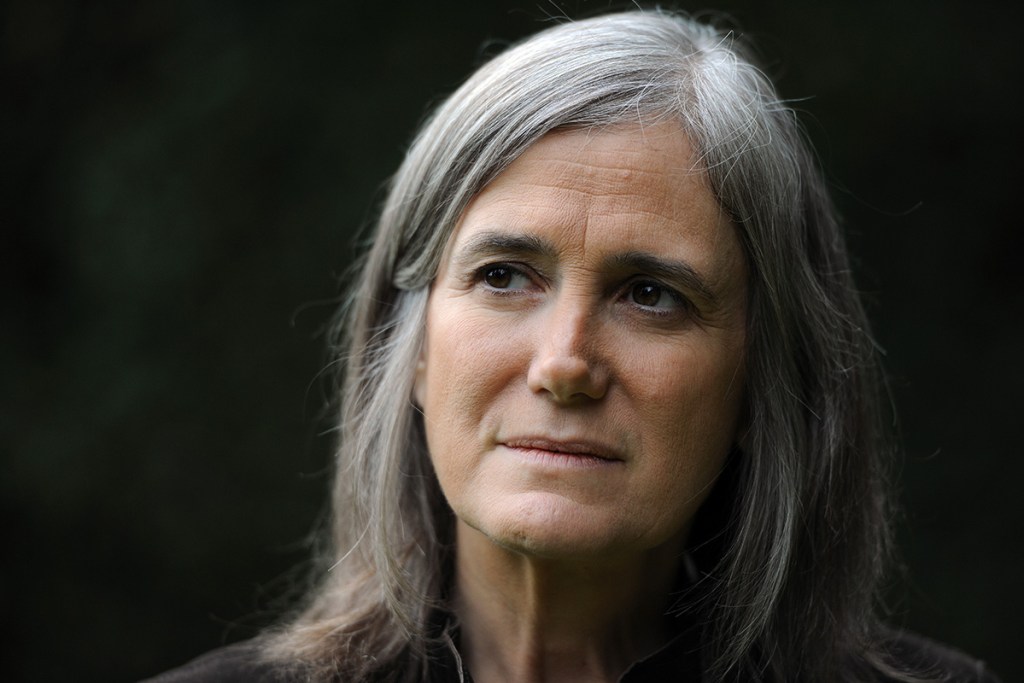
Documentaries always comprise a strong component of the SBIFF brand and ethos, and the trend continues this year. Steal This Story, Please! — winner of the festival’s coveted Fund for Santa Barbara Social Justice Award — is literally ripped from the headlines in progress, as a chronicle of the life, times, and crusading mission of Amy Goodman (Democracy Now!). Directors Tia Lessin and Carl Deal admirably deliver on a necessarily broad canvas of subjects, interweaving news and issues of the past three decades with the heroic activist-broadcaster Goodman’s own rise through independent radio ranks through to her present lofty status as a tireless champion of alternative journalism.
Goodman’s grassroots success story has taken her from a radius of 19 stations in 1996 to almost 1,500 outlets for her daily radio/internet/television operation. In that time, she has extensively covered such hot topics as the East Timor atrocities, 9/11, the Gazan tragedy, and Trump’s toxic follies — a rapidly unfolding news cycle item that would require a sequel or two.
As for the film’s title, Goodman states that she hopes the show’s stories are “stolen,” a k a brought to wider mainstream media attention.
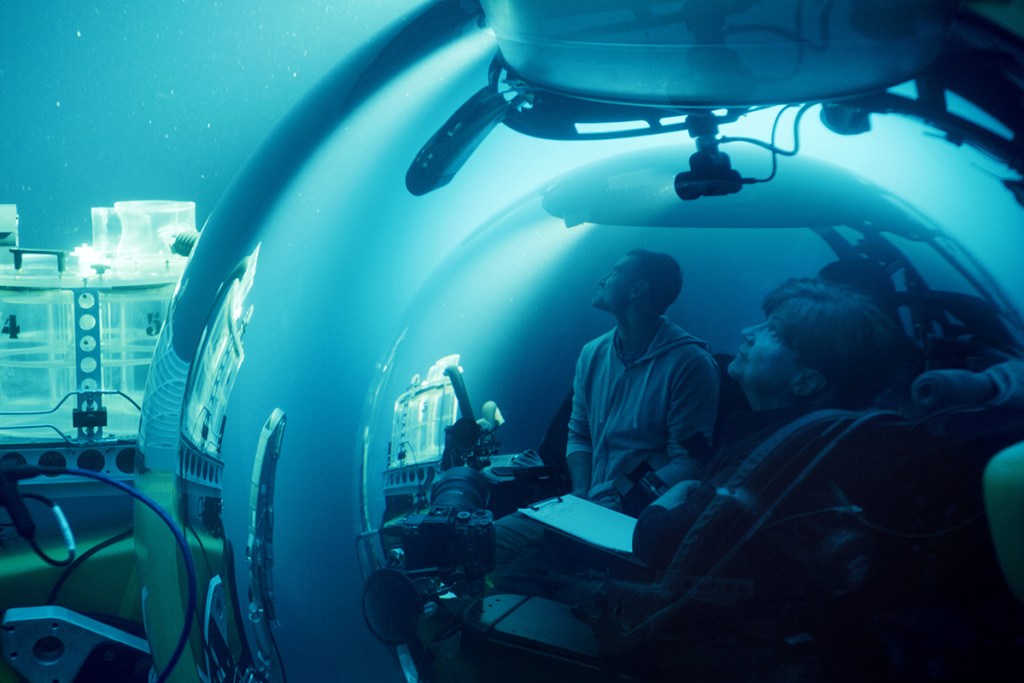
We go underwater, seriously underwater, in director Tasha Van Zandt’s A Life Illuminated, a well-made portrait of pioneering and legendary oceanographer Edith Widder (a UCSB grad, incidentally, whose early dives took place in the Santa Barbara channel). Presented as part of the festival’s “Great Outdoors” sidebar, the doc succeeds in appealing to fans of nature-oriented docs and film fans and human interest-seekers of all stripes. The film deals with the evolution of her obsessive interest in discovering and documenting “bioluminescence” — sea life that creates its own light, in the deeper recesses of the oceans — but does so with stunning visuals and a critical sense of wonder, in the subject and in sheer awe of the natural world.

Dear Lara is a unique item on the festival agenda, a passion project for Canadian-born violinist Lara St. John, who suffered lingering trauma as a 14-year-old sexually abused at the famed Curtis Institute of Music in Philadelphia and has taken a stand as self-empowered filmmaker exposing the systemic issue of sexual abuse in the classical music world. She traveled far and wide and interviewed fellow survivors of sexual abuse in the field, which has routinely sought to sweep the prevalent problem under the rug, à la the Catholic church. Names are named — including James Levine, David Daniels, Stephen Shipps, and many other teachers and performers well-known in classical circles. Her film is a revealing and brave attempt to whistle-blow open a broad problem, touched on in the Todd Fields film Tár but here given a real worldly sting.
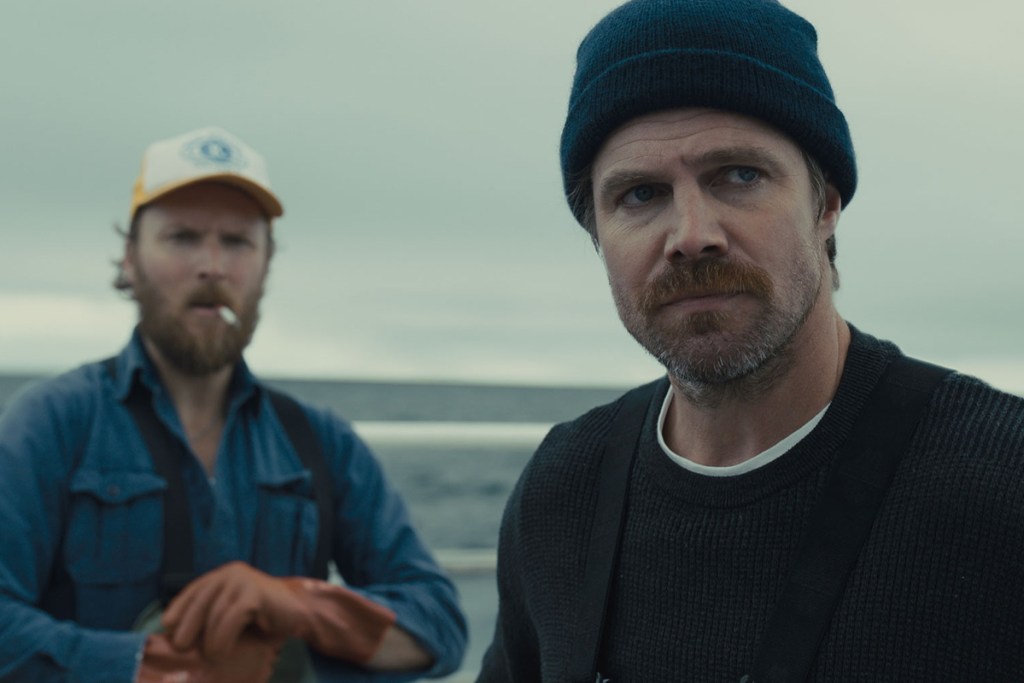
Other touchy real-world subjects are treated in fictional settings in some of the program’s offerings. Take writer-director Andy Hines’s Little Lorraine, whose setting in the rugged seafront region of Cape Breton channels a history of drug trafficking there in the late ’80s. Hines gives the topic a very human face, with his tale of honest, out-of-work mine workers falling half-unwittingly into the smuggling trade and facing dire consequences. It all has an edgy but fable-like quality, befitting its roots as a story song by Adam Baldwin, the video for which Hines created and later sensed the makings of a good film. And so it is.
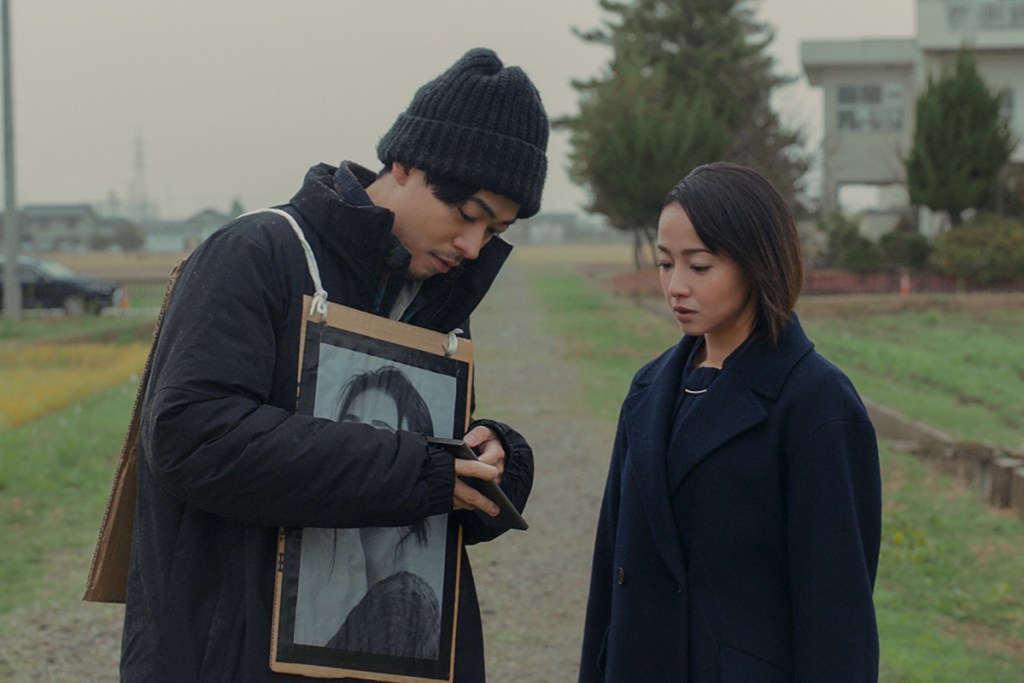
In the fine and pleasantly surprising Japanese film #Viral, the thematic drive train taps various pressing contemporary issues, including the wordplayful blending of social media “viral” and the viral component of the vaccine world. Shinji, grieving the presumably vaccine-caused death of his wife, is both an indignant activist and a pawn in broader schemes in the vaccine wars. Along the way, director King Bai steers his stylish storytelling and cinematic aplomb while taking on the relevant subject of “fake news” — the line between reckless social media “truth” and journalistic ethics. An atmosphere of rubbery reality fuels reckless conspiracy theorizing and the killing of a pharmaceutical CEO. It’s only a movie. Or is it?
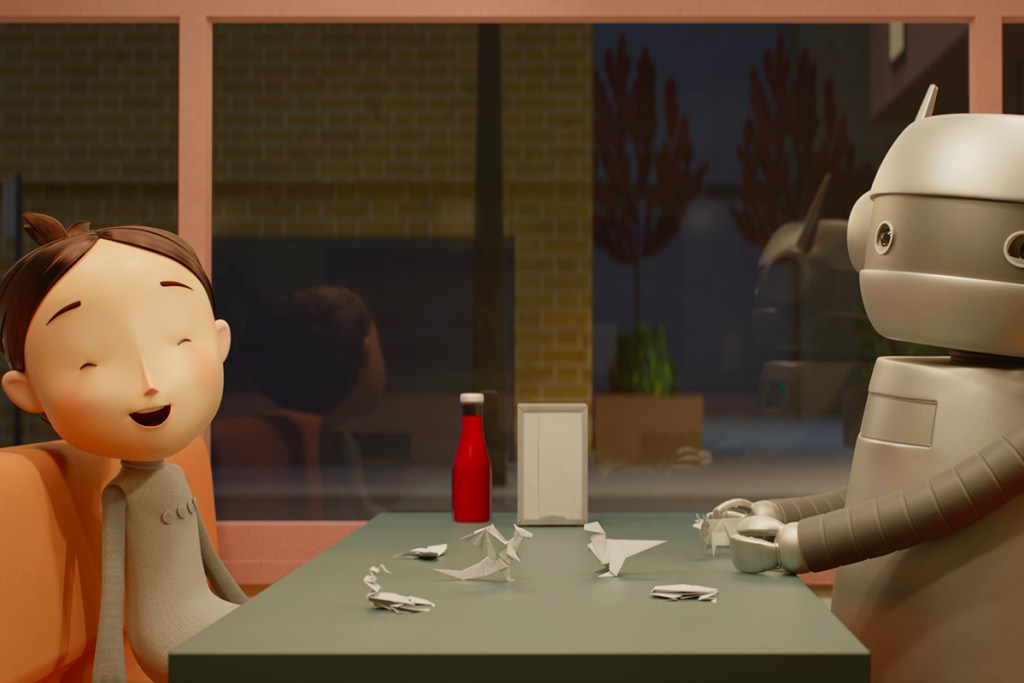
Circling back to the feel-good imperative tucked into the festival roster, festival-goers of all types and ages should find some pure delight in the animated Canadian film Space Cadet. The premise presents a friendly, futuristic scenario in which a sympathetic robot parental surrogate — “guardian bot” — and a young female astronaut adventuring in outer space are the key protagonists. No dialogue is necessary: Endearing animation and ambient musical washes and songs help tell the tale, balancing atmospherics with plot points toward a satisfying whole. Chalk up another one for the storied Canadian animation world.
See sbiff.org for the complete film schedule.



You must be logged in to post a comment.