

Press releases are posted on Independent.com as a free community service.
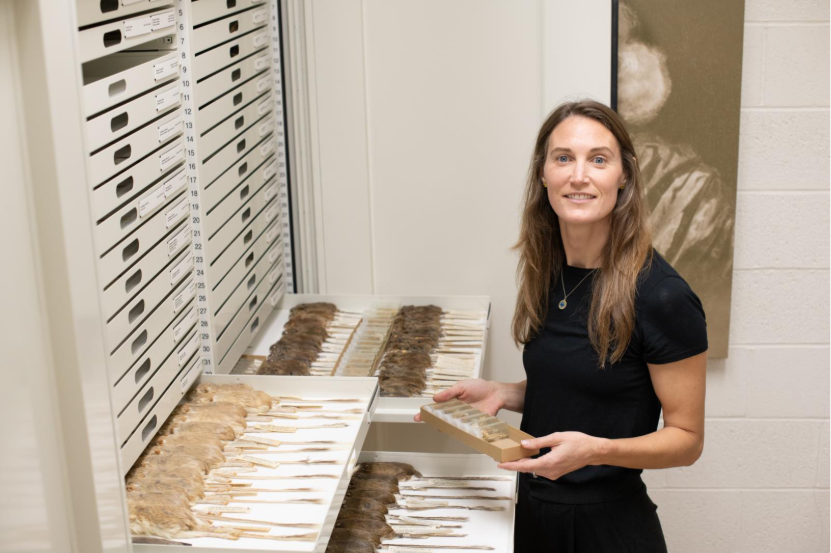
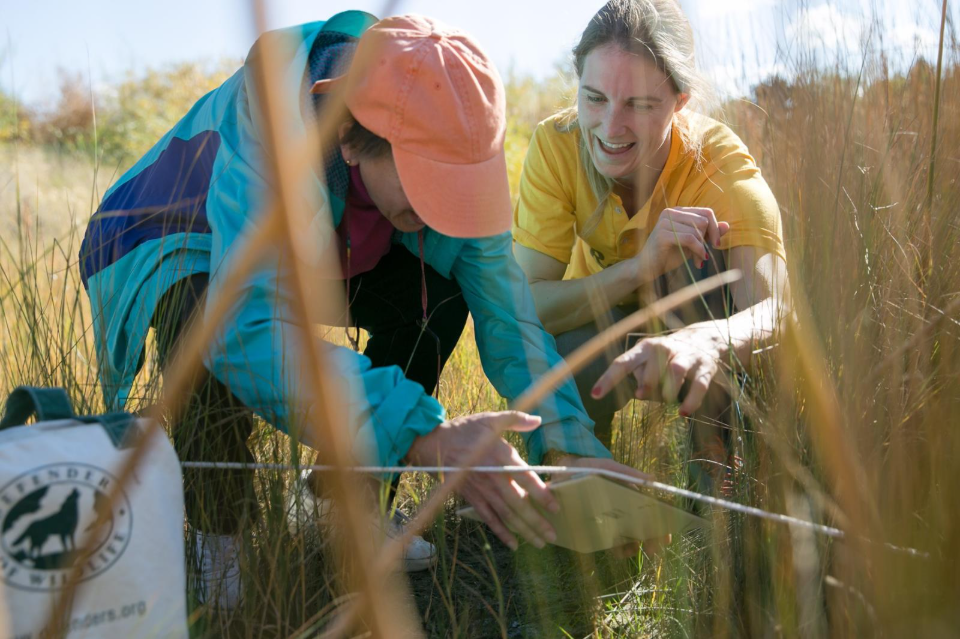
SANTA BARBARA, CA — The Santa Barbara Museum of Natural History (SBMNH) hired a new mammal expert to join its staff of scientists behind the scenes. In addition to providing the expertise behind the Museum’s exhibits, the curatorial staff steward the millions of specimens, artifacts, and documents in SBMNH collections, providing access to researchers from around the world. New Curator of Mammalogy Ally Coconis, Ph.D., is excited to conduct and facilitate research with the Museum’s mammal specimens. Dr. Coconis has experience with many aspects of museum work, from the fieldwork of collecting specimens to the educational work of discussing science with the community.
The Museum preserves many mammal specimens that represent southern California’s historic biodiversity: bones and pelts that were collected during the first half of the twentieth century from locations that were subsequently developed. SBMNH holds the best collection of mammal specimens for the Central Coast, including significant holdings representing the biodiversity of the Channel Islands. The associated information about when and where these specimens were collected aids scientists and policymakers in understanding the past populations and ranges of California’s wildlife.
Dr. Coconis previously worked for the Natural History Museum of Utah in Salt Lake City and completed her doctoral degree with research on woodrats at the University of Nevada in Reno. She is keen to continue her research on rodents at SBMNH, though aware that the animals which interest her are not everyone’s cup of tea. “Ground squirrels and gophers may frustrate gardeners and farmers; I absolutely get it,” she acknowledges. Yet even vilified rodents provide services, such as helping aerate the soil, providing shelter in their burrows for a variety of species, and furnishing food for mid-sized carnivores. “I’d like to help people understand the roles that mammals play in an ecosystem. Woodrat nests have been dubbed centers of biodiversity where microclimate conditions create great homes for many arthropods, lizards, other small mammals, and even snakes.”
Rodents can also help illuminate wider phenomena for researchers. “Small mammals have fast reproduction and life cycles,” Coconis explains, “and that constant turnover makes it easier to see the effects of rapid climate and land use change, which are ever more apparent in this century.” Coconis plans to explore the roles played by small mammals in post-fire landscapes, among other projects inspired by the Museum’s mammal specimens and the landscapes of the Central Coast.
Read the full interview with Coconis on the Museum’s website and learn more about the Museum’s Collections & Research Center at sbnature.org/collections-research.
About the Santa Barbara Museum of Natural History
Powered by Science. Inspired by Nature. The Santa Barbara Museum of Natural History connects people to nature for the betterment of both, drawing on collections that preserve the natural and cultural heritage of the Central Coast and beyond. Founded in 1916, the Museum is a private nonprofit supported in part by philanthropy, membership, and visitors. Members visit free. For more information, visit sbnature.org.

