

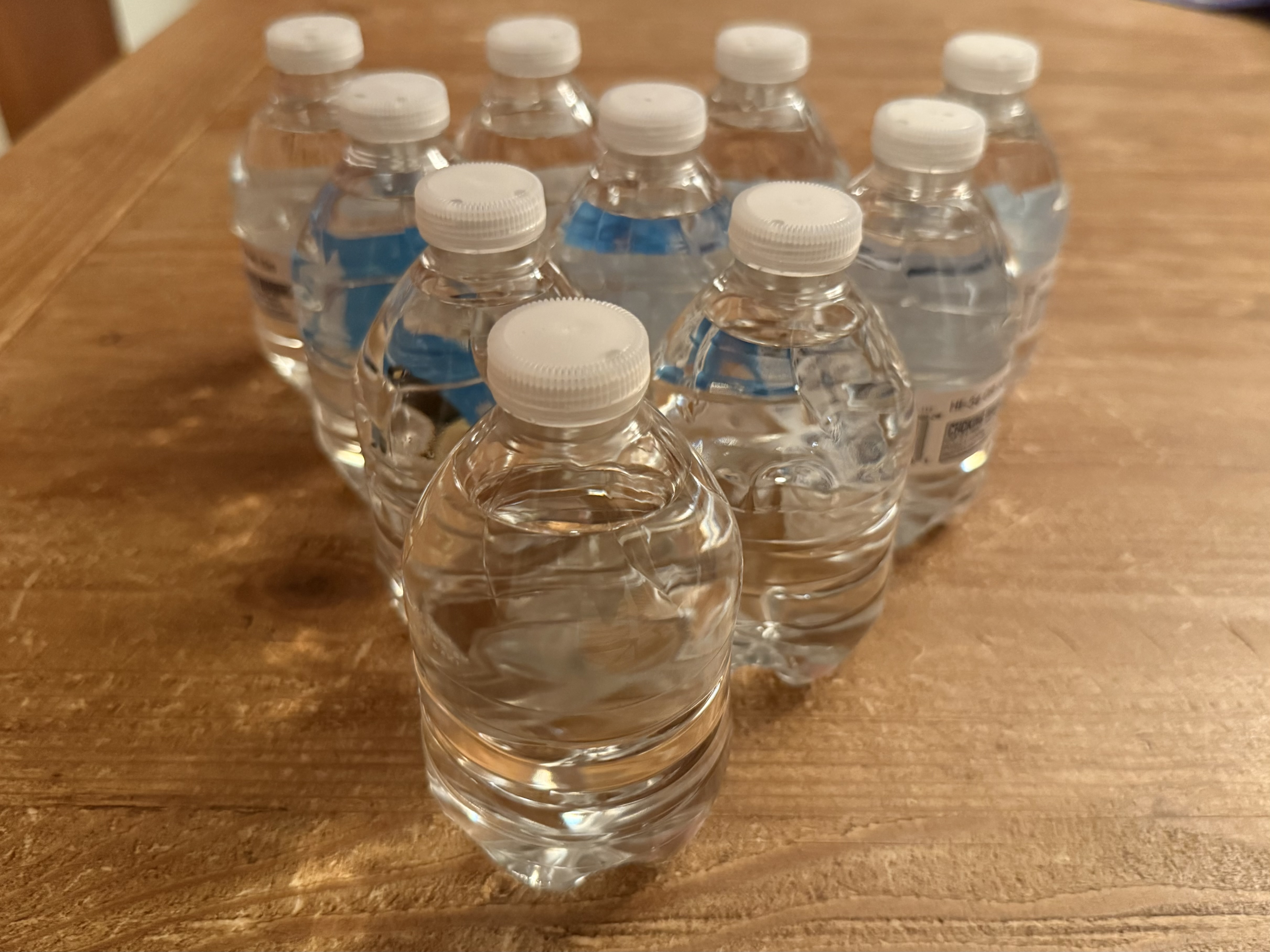
As representatives of Santa Barbara’s Latino business community, we support policies that strengthen the local economy while protecting our environment and everything that makes the Central Coast a vibrant place to live. We live, work, and raise families here. For that reason, we are concerned that a newly proposed ordinance to ban 8-ounce plastic water bottles could lead to unintended consequences for public health and small businesses without addressing the root causes of plastic waste.
Small and minority business owners own convenience stores, restaurants, gas stations, and grocery stores across Santa Barbara. For many of them, this burden will impact day-to-day operations. Food vendors, hospitality businesses, and event operators rely on small bottled water as a low-cost, high-demand product — particularly for tourists, outdoor workers, and customers on the go. Eliminating this option forces businesses to stock larger bottles that leave consumers with fewer options for convenient, potable water when it is needed most. That, in turn, creates even more plastic waste.
Though not the most familiar drink size to many customers, smaller water bottles serve an essential role across Santa Barbara’s public health and service systems. Eight-ounce bottles are frequently used in hospitals, clinics, senior centers, assisted living facilities, at cooling stations during heat events, and during routine medical procedures such as blood draws.
Many of these institutions or events operate with limited budgets and may not have the need nor capacity to transition to alternatives. The proposed ordinance does not fully account for many specific public demands.
Supporters often point to refill stations as an adequate substitute. While refill infrastructure is important, it is not universally accessible yet. Expecting small businesses and nonprofits to shoulder the cost and maintenance of these alternatives places a disproportionate burden on them, especially as they already operate on thin margins.
Access to clean, convenient drinking water is a cornerstone of public health. While the ordinance ensures 8-ounce bottles will be allowed for emergency situations and for shelters and food banks, the ripple effects will extend well beyond these settings. Policies that limit accessibility to water, particularly in healthcare, outdoor work, and high-heat conditions, create barriers to adequate hydration and meeting city health and safety goals.
Additionally, this ordinance is unlikely to achieve its intended results. Demand for small bottled water will not vanish. Residents, commuters, and visitors will simply buy these products in Isla Vista or Goleta and bring them into Santa Barbara. As a result, the city will continue to face the same waste management challenges, without achieving a meaningful decline in the use of plastic products.
This highlights the core issue Santa Barbara should be addressing: waste management infrastructure.
The issue is not simply plastic versus non-plastic, but how materials are produced, transported, and managed at the end of their life. Plastic bottles are fully recyclable and lighter than glass or aluminum, requiring less energy to manufacture, transport, and recycle into new products compared to heavier alternatives. Because of this, California has already taken significant steps in reducing plastic waste with a greater emphasis on recycling. Implementing local policies that focus on banning specific products may work against intended state policy, and without improving city recycling capacity, collection systems, or public awareness and education, Santa Barbara risks shifting the problem rather than solving it.
Policymakers should reconsider a one-size-fits-all ban and instead pursue solutions that balance environmental responsibility with economic equity and public health. Investing in modern recycling infrastructure, incentivizing recycled-content packaging, supporting compliance through grants rather than mandates, and ensuring access to safe drinking water for all residents would produce meaningful and lasting results.
Miguel Avila is the founder of the Greater Santa Barbara Hispanic Chamber of Commerce, which serves as a leading voice for Hispanic-owned businesses in the Central Coast region.

