

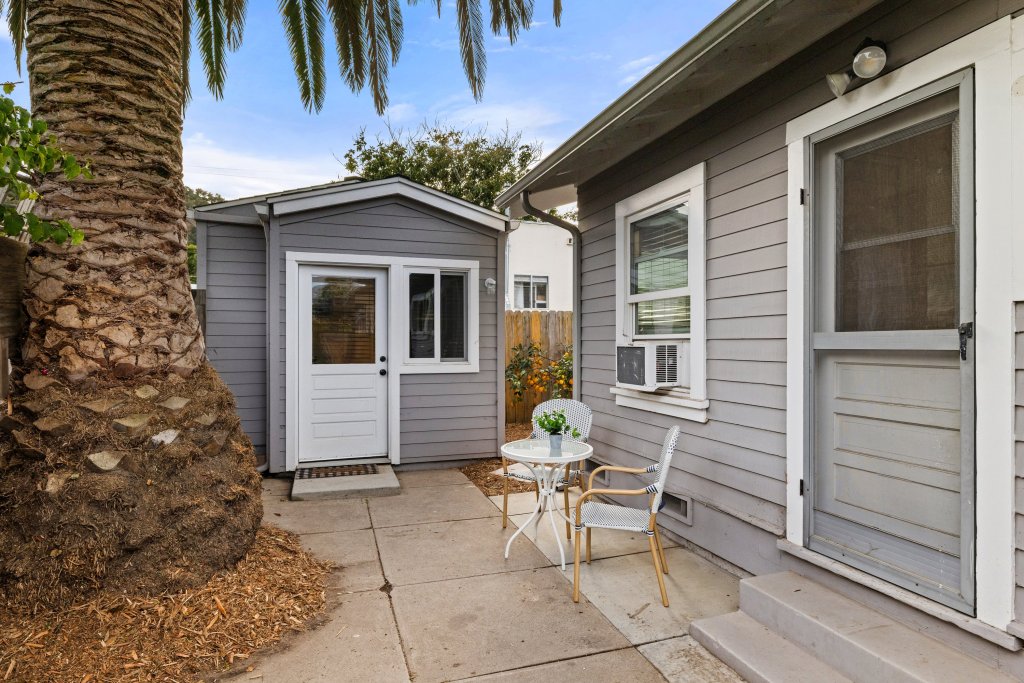
Are you considering building an ADU or purchasing a home that may already have unpermitted space?
Accessory Dwelling Units (or ADUs, like a backyard “mother-in-law apartment”) are a huge conversation in California right now. With changing state mandates, more ADUs have recently been allowed. If you are a homeowner who is not yet ready to move out of your home, you may be trying to figure out housing for aging parents or adult kids. Or you may have purchased a home with what you think is an ADU, or be looking for a new home with a yard and access. Or, you need rental income.
You need more than just basic information.
How can I build one?
Can I convert my garage?
What if I’m buying a home and find there’s already unpermitted space on the property?
Can I Airbnb it?
Many families, our local workforce, employers, and college students all need private, affordable housing options. I’ve been involved in public policy meetings where leaders are looking for ways to help more local kids be able to stay, and to help local companies recruit locals. Per state housing mandates, our local governments must have long-term plans on where new housing will be built to avoid “builder’s remedy” concerns.
Santa Barbara is a special place. At the same time, we have not built enough housing in decades as leaders have attempted to balance our limited resources, saving rural places and our unique quality of life.
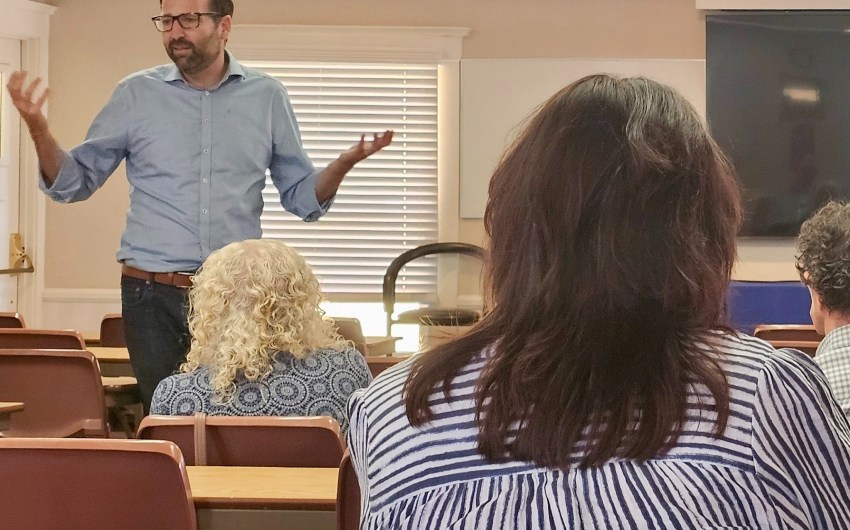
Jarrett Gorin of Vanguard Planning spoke recently at a Santa Barbara Association of REALTORS® event focused on what homeowners should know about ADUs. These are my top eight takeaways from Gorin’s presentation:
1. Why ADUs?
ADUs provide opportunities for homeowners and renters and should be part of a broader housing conversation concerning topics such as:
multigenerational living
workforce housing
planning ahead for housing that does not take away our beloved open space
using existing properties more thoughtfully
Housing affordability continues to be a challenge in Santa Barbara. My perspective is that we collectively have not built enough housing for our future kids and grandkids. At the same time, we care deeply about where homes go, and do not want to cover more farmland, orchards, or flower farms.
The state has mandated that we build more housing. We have unused commercial spaces, and there are ways to create housing within existing neighborhoods and properties.
This is what makes conversations about ADUs so interesting.
2. What kinds of properties can have an ADU?
One can generally build an ADU on any lot with zoning that allows residential development, but there already needs to be an existing or proposed residential unit on the property.
Once you start considering setbacks, height limits, coastal rules, fire access, hillside lots, parking, and utilities, things can get complicated quickly depending on the property.
3. Why is 800 square feet such a big deal?
California law creates protections around detached ADUs up to 800 square feet in many situations, which is why people tend to talk about “800 square feet” like it is a magic number.
This means that local agencies have to allow certain types of detached ADUs with reduced setbacks, even if local zoning would normally be more restrictive.
But that does not mean every property automatically works, and there are different rules depending on:
city versus county
coastal zone
high fire hazard areas
utilities
access
existing structures
The maximum ADU size under California state law is 1,200 square feet.
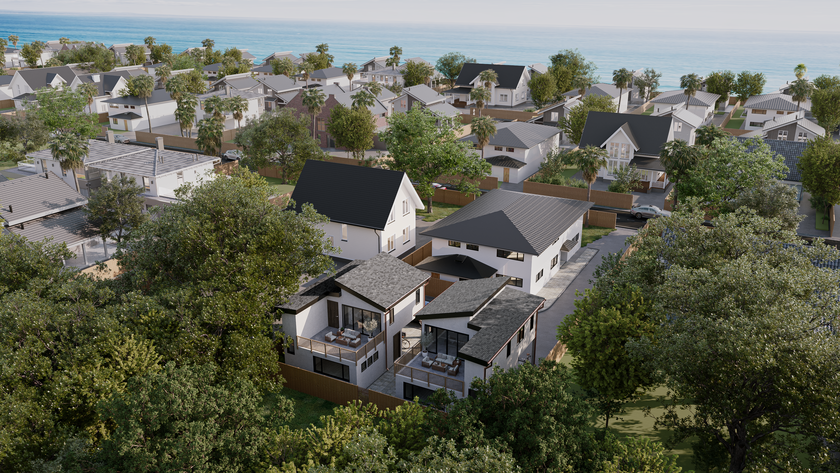
4. What are some misunderstandings about ADUs?
First, people hear: “California made ADUs easy.” But then you start hearing about:
fire access
parking
setbacks
coastal restrictions
timelines
permits
utilities
unpermitted work
…and suddenly it becomes a much bigger conversation.
In the City of Santa Barbara, properties in High Fire Hazard Areas can face additional limitations.
While ADUs generally do not require parking replacement, homeowners still need to pay close attention in fire hazard and coastal areas.
5. How are ADUs becoming part of the workforce housing conversation?
While some owners might be considering ADUs for investments, most are thinking about:
family
aging parents
adult kids
caretakers
local workers
long-term housing options
In Santa Barbara, where housing continues to be difficult for many people, ADUs are becoming part of a larger community conversation.
State laws continue to expand opportunities surrounding ADUs, including multifamily properties.
6. Can I Airbnb my ADU?
No. ADUs must be rented for 30 days or more. They are not meant for hotels or short-term vacation rentals.
7. Give me the real story on timelines and costs.
This is big. Projects take coordination.
Per California state law, agencies now have just 15 business days to determine whether an application is complete or incomplete, and to notify you. There are also timelines around approvals and corrections.
And also a lot of moving pieces:
plan checks
corrections
departments
utilities
site conditions
fire safety
neighborhood
8. What Happens if a Property Already Has Unpermitted Space?
Recent California law changes created additional pathways for legalizing some older unpermitted units, especially ones built before January 1, 2020.
Health and safety issues matter. Homeowners, sellers and buyers can benefit by understanding what they actually have before starting construction conversations.
Remember that “substandard health and safety concerns” can mean a lot of things.
Every property is different, and a lot of these conversations start long before someone decides to build. The earlier homeowners start asking questions, the more options you usually have.
If you are going to be listing a property for sale or buying a home with ADU potential, connect confidentially with Kathleen for more details and introductions to local professionals, or contact your REALTOR®.
Writer Kathleen Rogers is a full-time real estate advisor with eXp Realty Sports and Entertainment. She works 1:1 with clients requiring trusted information, service, and care. A SBAOR board member, Chamber ambassador, Rotary member, and active runner/triathlete. DRE #02044953. Reach Kathleen at 805-284-3900 and WelcometoSantaBarbara.substack.com.
###
REALTORS®: Share your industry info in “REAL ESTATE SCOOP.” Email sarah@independent.com for details.
Related Posts



You must be logged in to post a comment.