

Last May, Santa Barbara County took a bold step toward a cleaner future. The Board of Supervisors directed staff to develop an ordinance to phase out the production of oil and gas in our county. That ordinance — which prohibits new oil and gas drilling — has since been drafted, cleared the Planning Commission, and is now up for a vote on July 14. If the board says yes, Santa Barbara County will be among the first in the nation to sunset fossil fuel extraction.
Our county government has been considering a responsibly planned oil phaseout since at least 2024 when the board adopted the 2030 Climate Action Plan, committing the county to develop strategies for fossil fuel extraction phaseout. In the same plan, the county also set a target of 50 percent emissions reductions by 2030 — more aggressive than the state’s 40 percent goal. Now is the time for the county to walk the walk and follow through with its commitments.
The case for action is clear. Phasing out oil and gas production isn’t just about the climate. It’s about protecting the health and safety of every resident in this county. According to the California Air Resources Board, oil production is the largest stationary source of nasty pollutants like PM2.5, benzene, formaldehyde, VOCs, nitrogen oxides, and sulfur oxides in Santa Barbara County. These aren’t abstract environmental harms — they cause cancer, asthma, heart disease, and chronic conditions in real people, in our communities.
And for those worried about the price at the pump: gas prices are set by global markets, not local production. Phasing out Santa Barbara’s wells won’t move the needle for your wallet. In fact, much of Santa Barbara’s oil is exported out of the county anyway — it was never going to end up at your local station.
Banning new wells is also massively popular. Our team at UCSB surveyed nearly 3,000 county residents using science-based methods to build a representative sample, based on our team’s extensive experience in measuring public opinion here in California and in 60 countries around the world. We found that 65 percent of county residents — nearly two out of every three — support an ordinance prohibiting new onshore oil and gas drilling. It isn’t a North County vs. South County issue, either: We found majority support for a ban on new wells in four out of five supervisor districts. Even in District 5, which has significant oil activity in North County, support stands at 62 percent.
We also ran the numbers on jobs. Some argue that a ban on new drilling would devastate the local economy, but the data just don’t support that. Oil and gas activity in the county has already been in decline — there’s been just one new well permit in the last decade. So the additional job loss from a formal phaseout of new drilling would be modest. That said, the workers who would be affected deserve real support. The county should lead that effort, and can seek state and federal funds from programs like the Displaced Oil and Gas Worker Fund. In our survey, residents were significantly more likely to back a phaseout when it was paired with worker transition support — training programs, hiring pathways, and a concrete plan for families who depend on these jobs.
Another job-creator is plugging old wells that are no longer producing. There are at least 1,410 of these wells scattered across the county. Many sit near the Santa Maria groundwater basin, which supplies drinking water to 200,000 people. Inactive wells can leak toxins into the groundwater, threatening residents’ health across the region. Not only is site cleanup imperative for public health — it’s also a real employment opportunity for displaced oil workers, whose skills are directly applicable to decommissioning work. And it’s an opportunity that is supported by federal well-plugging programs, not to mention existing state requirements for oil companies to provide assurances for cleaning up old wells. A phaseout doesn’t eliminate jobs; it redirects them to growing sectors of the economy.
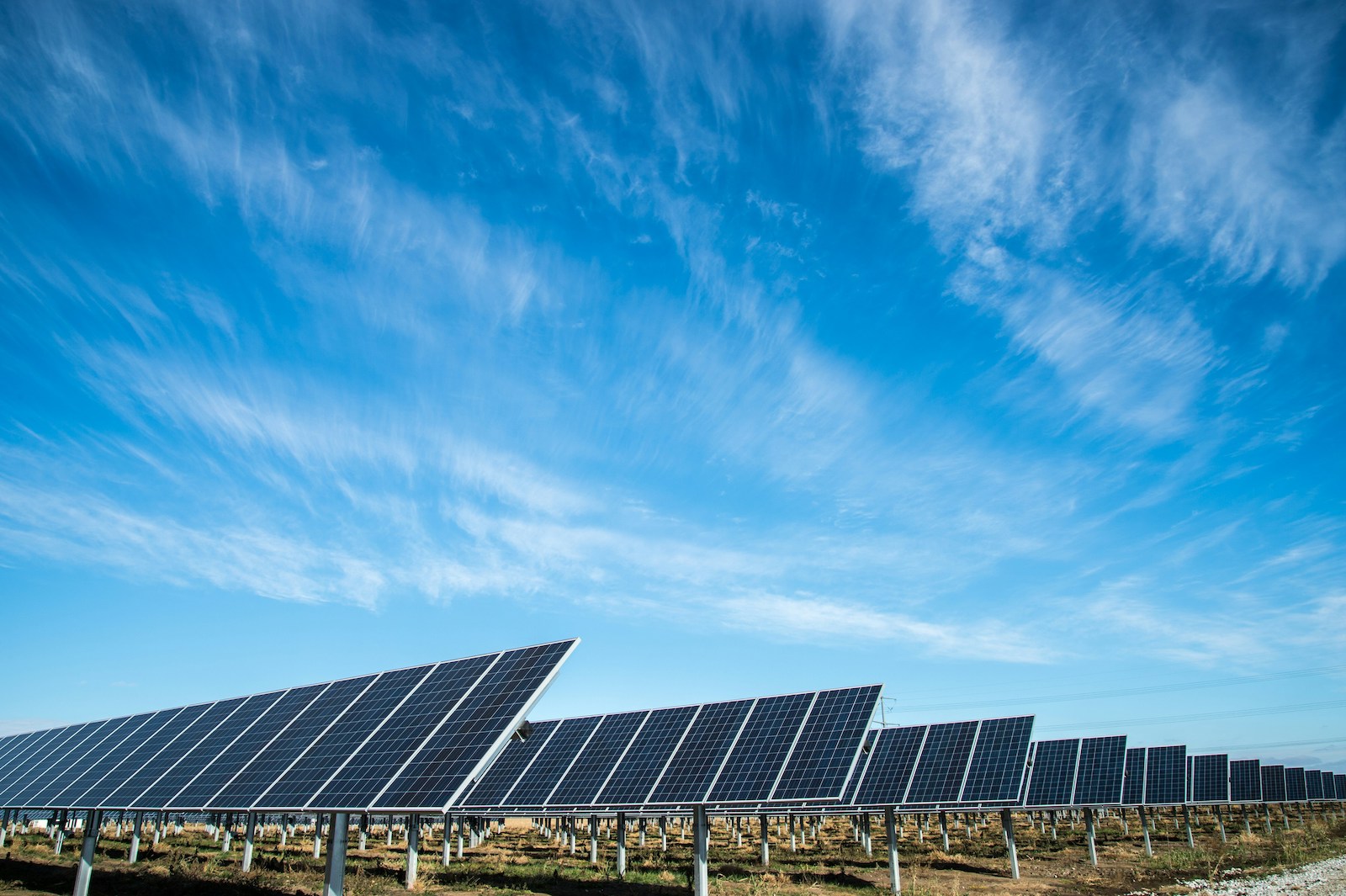
Clean energy is one of these growth areas for the local economy. To meet the county’s climate targets, we need to deploy all the clean technologies available to us, and fast. Utility-scale solar is particularly important for bringing affordable electricity online while creating new local jobs. Although the county currently has a ban on utility-scale solardevelopment outside of Cuyama, it’s considering relaxing these regulations. If we want to see local, green jobs, the county needs to allow clean energy to be built here.
On July 14, the Board has a chance to make history in Santa Barbara County and the nation. This vote arrives at a moment when the environment feels under constant assault. It’s a worn-out cliche in government that “all politics is local,” but in our current political era, local leadership has never mattered more. Santa Barbara sparked the modern environmental movement after the 1969 oil spill. Now it’s time to lead again by committing to a clean, safe, and just transition away from fossil fuels. Tell your supervisor loud and clear: Vote yes to ban new oil drilling in Santa Barbara.
Paasha Mahdavi is a professor at UCSB and co-founder of The 2035 Initiative, a think-and-do tank on environmental policy research. Eleanor Thomas is an environmental engineer, a PhD student at the Bren School at UCSB, and an affiliate of The 2035 Initiative.

