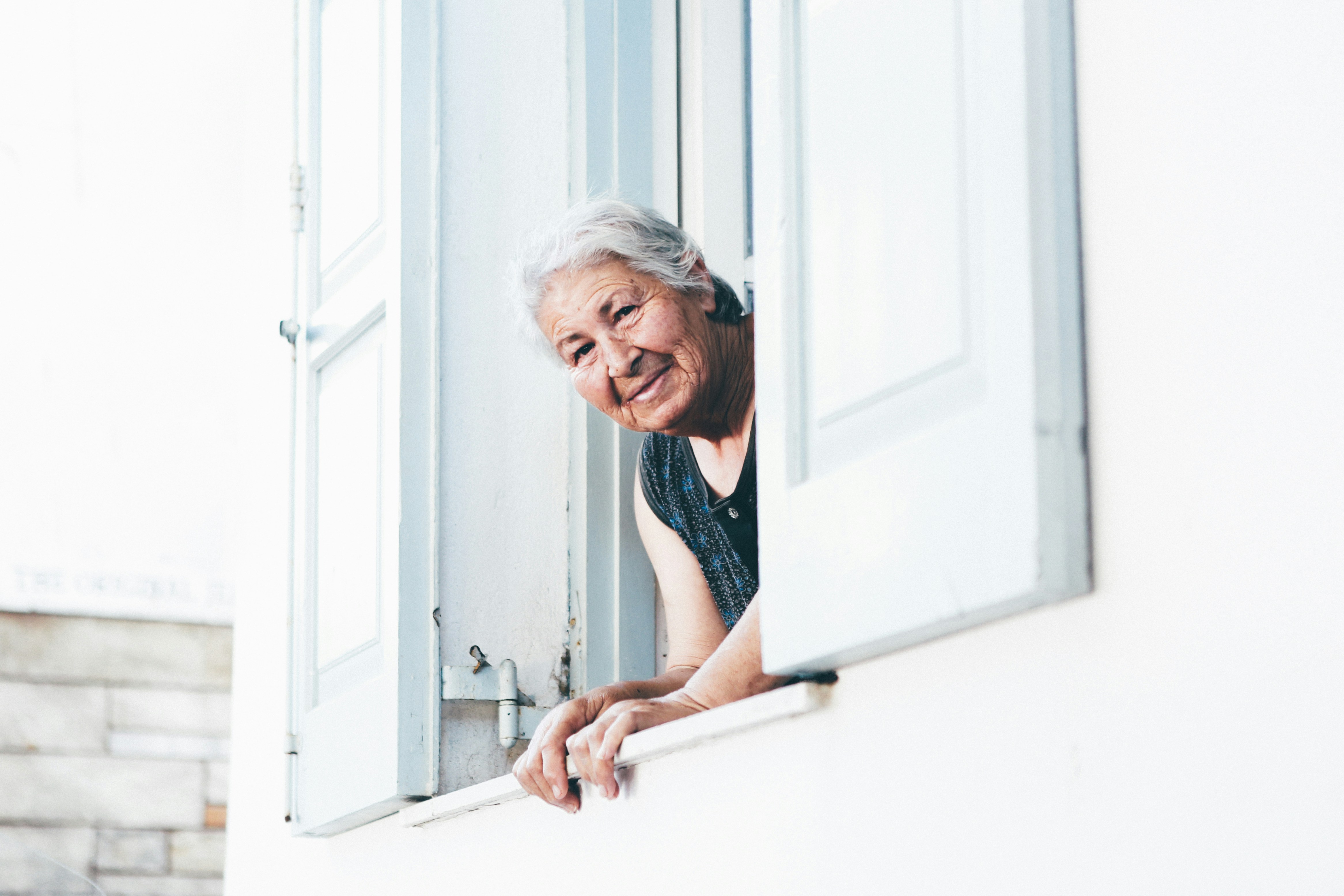
Through my work with older adults in Santa Barbara, I have seen how difficult it can be to find affordable housing, even when someone is actively seeking help. A person can complete applications, contact housing providers, and follow up on available options and still have nowhere affordable to go. For older adults living on fixed or limited incomes, one unexpected expense or increase in rent can put their housing at risk. Santa Barbara needs to do more to help older adults maintain stable housing before they reach a crisis.
Housing insecurity does not always begin with someone living on the street. It can begin when rent becomes unaffordable, savings run out, or health expenses make it harder to keep up with bills. When housing consumes most of someone’s income, there is less money left for food, transportation, medication, and other necessities. For older adults, losing housing can also mean losing independence and facing additional challenges managing health needs and daily activities.
The City of Santa Barbara’s 2025–2029 Consolidated Plan highlights the scale of this problem. According to the plan, 28 percent of households that include someone age 62 or older experience housing problems, including affordability and accessibility concerns. The plan also identifies 4,535 low- and moderate-income households that are severely cost-burdened, meaning they spend 50 percent or more of their income on housing. Nearly half of these severely cost-burdened households are classified as elderly in the plan, highlighting the challenges older adults face in maintaining stable housing.
The consequences can be even more serious once someone loses housing. A 2024 report from the University of California, San Francisco, examined the experiences of older adults experiencing homelessness across California. Researchers found that two-thirds of participants believed an additional $300 to $500 per month could have prevented their homelessness. While this finding reflects participants’ own experiences rather than a guarantee that financial assistance will prevent homelessness, it raises an important question: Could earlier assistance help more older adults avoid losing their housing in the first place?
Santa Barbara already has housing assistance programs and community organizations working to help residents. However, having resources available does not mean people can access them in time. Housing searches can involve complicated applications, eligibility requirements, long waits, and limited availability. Health concerns or mobility limitations can make these steps even harder. Older adults may need more than a referral. They may need help understanding eligibility, completing applications, and following up before their housing situation becomes urgent.
Santa Barbara should establish an Older Adult Housing Stability Initiative focused on preventing housing loss before eviction or homelessness occurs. The city should coordinate with local aging-service organizations and housing providers to identify older adults struggling to afford housing and connect them with rental assistance, public benefits, and available housing options. Older adults could voluntarily participate through these organizations, which would help them navigate applications and follow up, with their consent, to determine whether they received assistance and remained housed. The initiative should prioritize older adults with limited incomes who face additional barriers related to health, mobility, or access to services.
The city should also measure whether this approach is working. Instead of counting only referrals and completed applications, city leaders and community partners should track outcomes such as whether participants avoid eviction, remain housed, or transition into permanent housing. They should use those findings to identify gaps in existing services and determine where additional resources are needed. Better coordination cannot solve Santa Barbara’s shortage of affordable housing on its own, but it can help make existing assistance more effective while the community works toward longer-term solutions.
As someone who works with older adults, I believe housing stability should be the goal, not simply the completion of a service. The Santa Barbara City Council should make preventing housing loss among older adults a local priority by bringing service providers together around earlier intervention and measurable outcomes. A referral may connect someone to help, but it does not guarantee a place to live. Santa Barbara should judge its efforts by whether assistance helps older adults remain stably housed, not just by how many people are referred to services. Preventing homelessness means reaching people before they run out of options, not waiting until they have nowhere left to go.