
How to Harden Your Home
Without Breaking the Bank
Santa Barbara Botanic Garden
Hosting Free Forum on
Gearing Up for the Next Wildfire
By Tyler Hayden | July 17, 2025
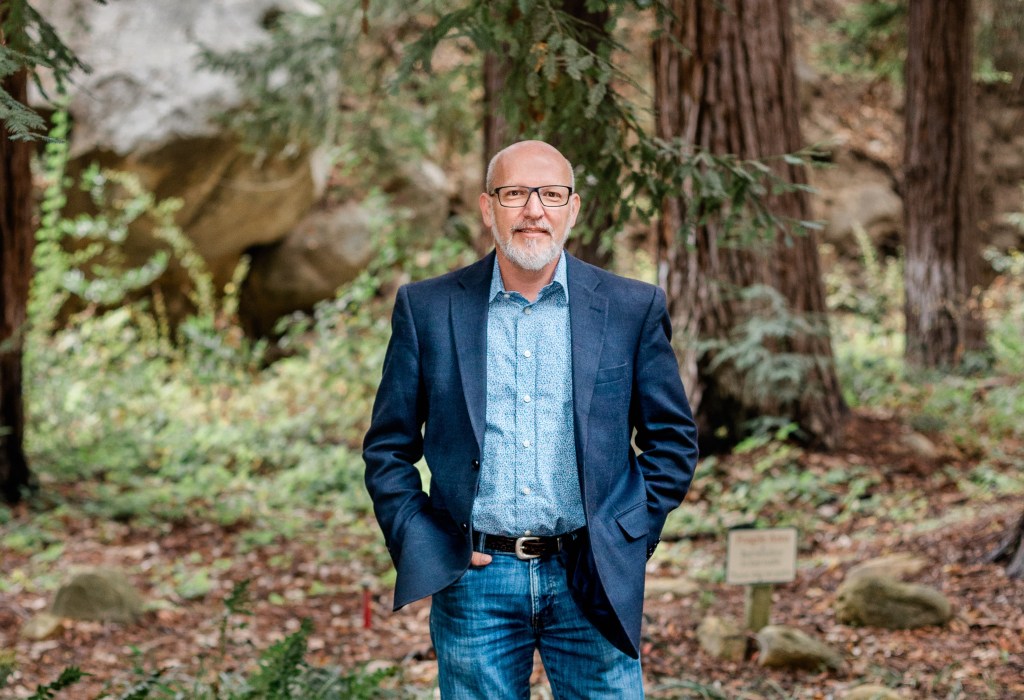
Steve Windhager knows a thing or two about wildfires. In a previous life, the director of the Santa Barbara Botanic Garden worked as a fire ecologist, managing controlled burns and restoring prairies across his native Texas. In his office hang photos of Windhager and his old team, drip torches in hand, carefully igniting a field of invasive grass to make way for native plants.
Of course, Windhager is also well-acquainted with Santa Barbara’s propensity to burn, having joined the Botanic Garden in 2010 shortly after the Jesusita Fire scorched the Mission Canyon campus, and living through all our many blazes since.
After two years of heavy rain — and in anticipation of a predicted drought — Windhager and the Botanic Garden have assembled an all-star team of fire experts to present science-based, community-centered advice for protecting your home and your neighborhood from the next inevitable fire. They’ll offer a range of strategies, from quick and cheap fixes that still make a big difference, to bigger ideas for building or rebuilding in safer ways.
On Tuesday, July 22, at 6 p.m., the Botanic Garden will host “Ready for Wildfire: Smart Strategies for Fire-Safe Living,” a free, virtual forum that will run approximately two hours with a moderated Q&A at the end. Discussion topics will include, among others: what fire crews prioritize when entering a burning neighborhood; landscaping with native, water-wise plants to reduce risk; and community resources for renters, homeowners, and neighborhood groups. Registration is required at sbbotanicgarden.org.
Ahead of the event, we sat down with Windhager for a bit of a preview and to get his thoughts on what strategies will give renters and owners on a budget the biggest bang for their buck. Our conversation has been edited for length and clarity.
Why should people stop and listen to what Tuesday’s speakers have to say? The truth is we live in a fire-prone system, and it’s only going to get worse. We have more people, we have more development, and all that leads to more ignition sources. On top of that, we have a changing climate that’s pushing us in that direction. And we can’t stop all the fires, right? So, the responsible thing is to be prepared. It’s no different than living on a beach with frequent hurricanes and building your house on stilts. And so, in our case, we need to be designing our landscapes and our homes to ensure that we make them as fire-safe as possible.
What role can native plants play in making a home more safe, or more vulnerable? Many people think of native plants as a fire risk across the board. If you know these fires burn in chaparral, then why on earth would you want any in your front yard? But in fact, not all plants are created equal. Not all chaparral plants are created equal. For example, big-berry manzanita is actually very fire-resistant. It’s not likely to catch fire unless you have other shrubs immediately around it that will create a mass of fuel.
On the other hand, plants that have a lot of what’s called “volatile organic compounds” — smelly, wonderful plants like sages and lavender and eucalyptus — are more likely to burn, and burn hotter. Does that mean you never want to have these in your yard? No, but maybe don’t have them against your house. And am I suggesting you cut down your eucalyptus tree? No, but you need to rake the leaves on a regular basis and remove them from your gutters.
Right now, we’re working with the city on a decision tree based on characteristics of plants and what makes them more likely to ignite. People will be able to plug individual plants into the decision tree and it will spit out where they can go in your landscape and what maintenance may be required.
What is the one of the main messages you’ll be driving home on the 22nd? One of the things you’ll hear repeatedly is that home hardening is the single most important thing you can do, and it’s not terribly expensive. Start with the screening on your vents and soffits, which are normally installed with quarter-inch, and bring it down to eighth-inch. That will block embers better and immediately improve the survivability of your home. One of our partners in the forum, the Santa Barbara Fire Safe Council, has a video online that shows you exactly how to do it, where to buy it, and all that good stuff.
Cleaning out your gutters is one of those things that doesn’t cost any money but takes a little bit of time. They collect every bit of small, fine fuel that’s going to dry out, and you’re just asking for the worst — an ember flying in there and lighting your roof on fire.
What advice do you have for folks who are worried about their neighbors’ properties? The first thing many people want to do is point over their fence. But we really need to start with, “What can I do?” That’s the mindset we’re trying to change. I understand the fear — it’s a scary thing to look at photos of the Eaton and Palisades fires — but the best way to deal with that is taking active steps to control what you can control at your own home. Demonstrate to your neighbors. Convince them that they also want to do this. Because if we all do this together, we create safer communities.
The Great ’09 Strawberry Massacre
When Evacuating from a Fire Turns into a
Remake of Monty Python

AI Cameras Catch Fires Early
New Technology Improves Detection and Response Times
Throughout Santa Barbara County and State
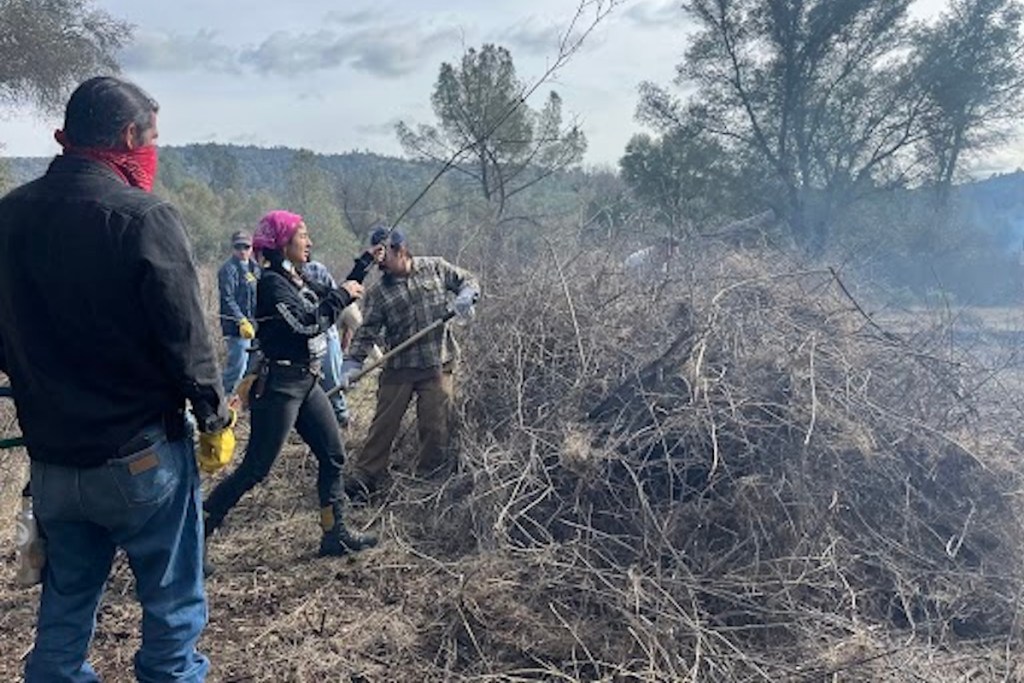
Introducing the Chumash Good Fire Project
New Initiative Bringing Back
Cultural Burns to Indigenous Lands
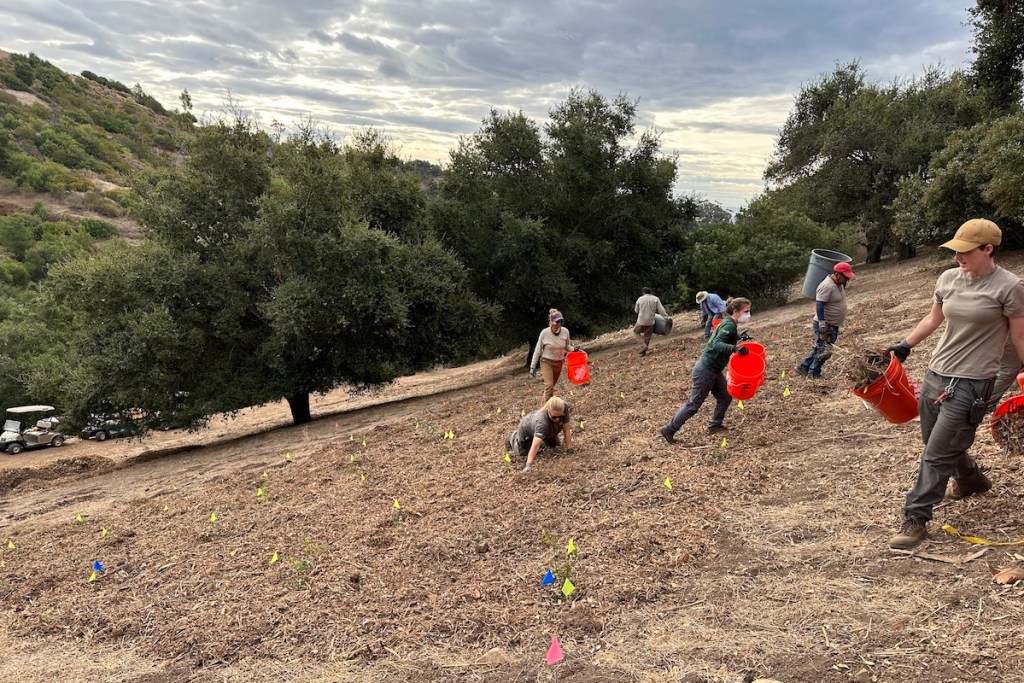
Could Oak Trees Help Block Fires?
Botanic Garden Studying Their Potential as
Native, Living Fuel Breaks




You must be logged in to post a comment.