

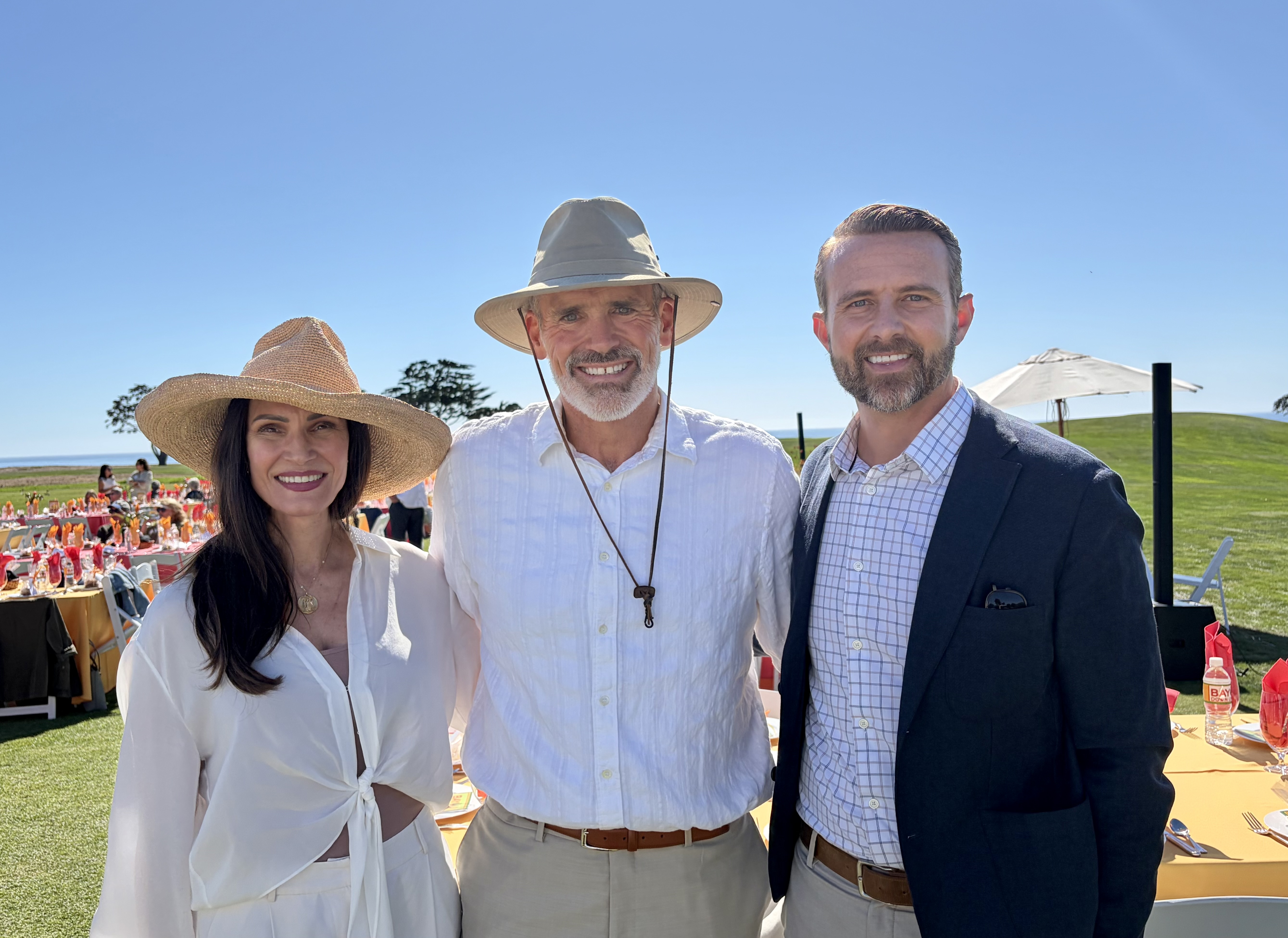
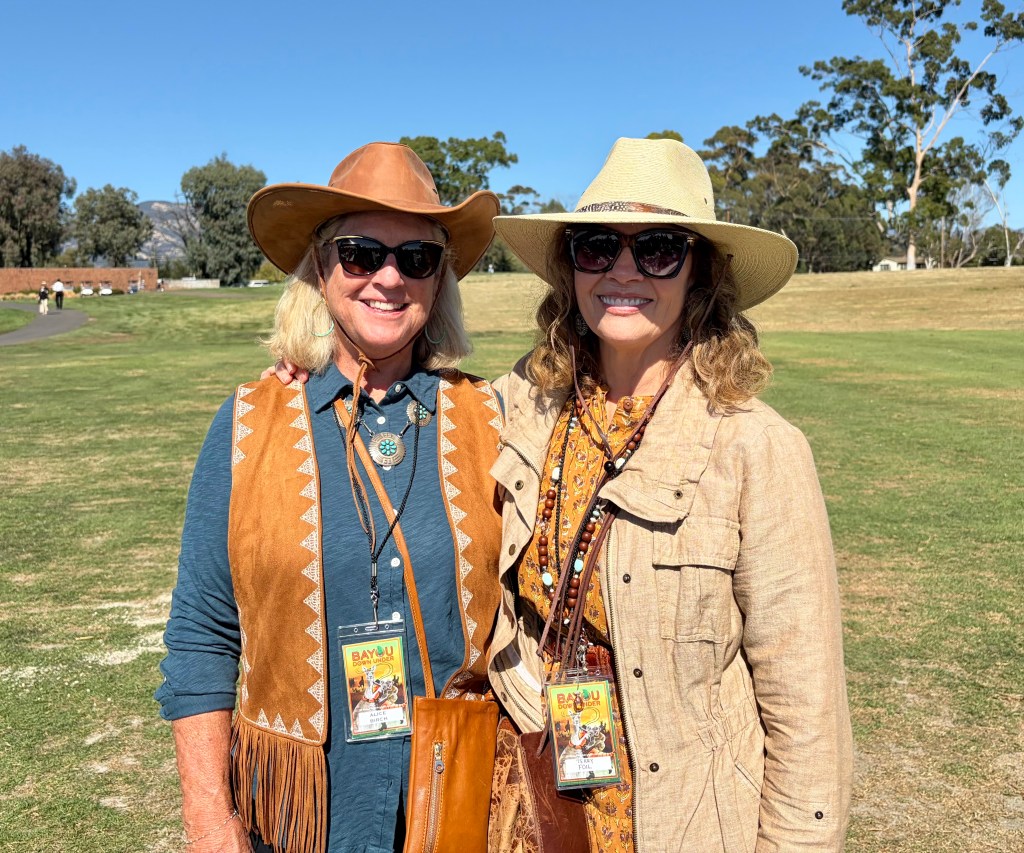
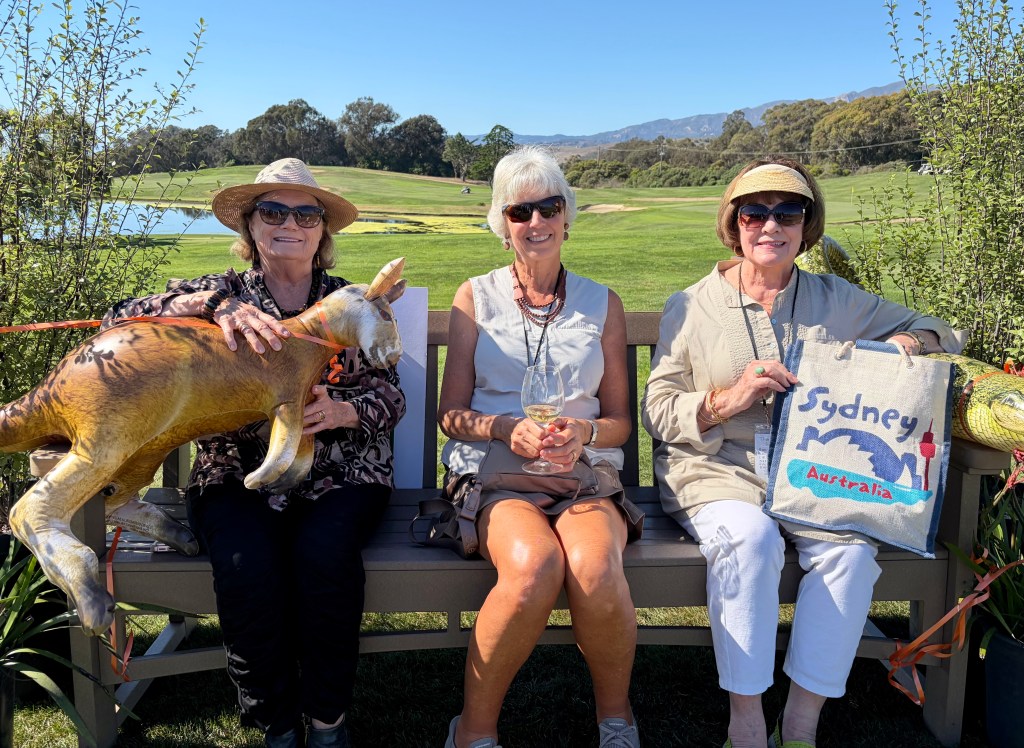
On October 4, more than 300 supporters of the S.B. Rescue Mission (SBRM) gathered on the spectacularly beautiful Sandpiper Golf Course for the annual Bayou fundraiser, this year with an Aussie “Down Under” theme. The event netted an eye-popping $621,000. SafeLaunch Cofounder and Executive Director Janet Rowse was honored.
Guests perused the 163-item silent auction and enjoyed socializing while the Al Vafa duo provided background music. The event drew all ages of supporters, who were united and passionate about the Rescue Mission’s critically important work. SBRM provides year-round emergency shelter and transitional services to the community’s most vulnerable residents and 12-month residential substance abuse treatment programs that boast phenomenal successful rates. An early, al fresco dinner followed.
In the program and in an interview, President Rolf Geyling provided an update on SBRM’s work. It has a $4.7 million budget and serves more than 200 people on average each night. While it requires skilled professionals and high-quality facilities, Geyling noted, at its core, it is simply a community of people of faith and compassion — donors, staff, and volunteers — “who have taken that rare step of actually doing something.”
With none of its funding coming from government sources, SBRM does not face direct budget cuts; however, with the county facing a $550 million decrease in public service funding, Geyling foresees an increase in demand for SBRM’s services as more people in need turn to it.
Geyling reminded donors that its shelter services are a critical first step in the recovery process: “Most every journey out of homelessness starts with giving someone hungry a meal or giving a vulnerable person a safe place to lay their head.” Last year, SBRM provided 70,800 meals and 48,819 nights of shelter.
SBRM offers case management to all shelter residents, and in the past three years, it has increased the level of services, resulting in more clients transitioning out. Last year, 66 clients transitioned into a range of more positive placements.
Turning from the shelter program to SBRM’s state-certified residential treatment programs, which had 35 graduates last year, Geyling proudly touted their success rates, with 65 percent of their graduates, on average, maintaining recovery five years after program completion. The national average is only 21 percent. Another impressive stat: All 35 of last year’s program participants are currently employed.
In the past 30 years, more than 1,000 participants have completed treatment.
Geyling made the exciting announcement that SBRM is in escrow on a sober living home for graduates of its women’s residential treatment program. More details will come. SBRM already has a men’s sober living home.
Another welcome addition to the services for women is the planned remodeling of a section of the women’s shelter for those ready to transition to a treatment or other supportive program and need a safe, stable environment while awaiting program placement. Case management services will continue for these individuals and will be specifically focused on each individual’s needs. A similar program has been successfully implemented in the men’s shelter and will serve as a model.
The event honored Janet Rowse for her work as cofounder and executive director of SafeLaunch, a nonprofit focused on preventing youth substance abuse. Poet and author Noah benShea and Geyling both paid tribute to her. In accepting the honor, Rowse explained how SafeLaunch’s drug-free clubs for adolescents, which have attracted more than 80,000 members in five states over the past 20 years, give teens a way to “save face when faced with peer pressure.” The nonprofit seeks to create environments where youth non-use becomes the norm.
Turning back to SBRM’s work, Board Chair Kiah Jordan made a compelling case that treatment programs are good investments. Citing data from the National Institute on Drug Abuse, he noted that every dollar spent on treatment saves up to $12 in reduced healthcare, criminal justice, and lost productivity costs.
SBRM’s efficient, nonprofit model, Jordan added, enables it to offer a full year of residential treatment at a cost of only $34,000, compared to a national average cost of $228,000.
Director of Residential Treatment LB Chandler shared with his guests his extraordinary story of addiction and recovery thanks to SBRM’s program more than 20 years ago. Chandler, who has worked at SBRM for 20 years, related how he had tried other treatment programs before coming to SBRM, but without lasting success. He lauded SBRM’s 12-month program, which provided him with the necessary time for reflection, learning, and becoming involved with the larger recovery community.
He shared his gratitude for the amazing life he has now, with the best part being watching people come through the program and then return to lead others through the process.
This event is put on annually by the Women’s Auxiliary, which assists SBRM year-round in various capacities.



You must be logged in to post a comment.