

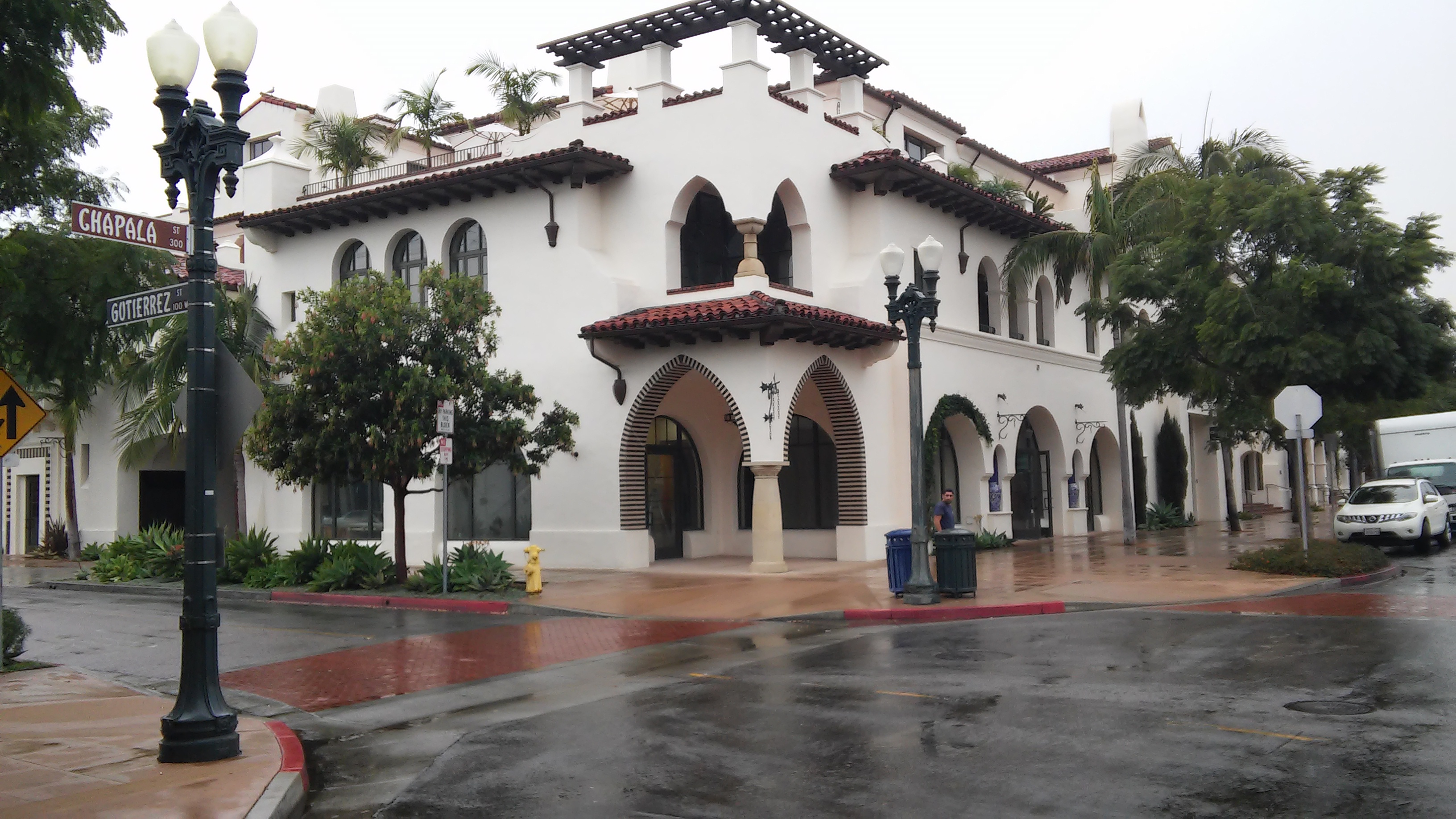
Santa Barbara’s new Adaptive Reuse Ordinance is an important step toward transforming downtown vacant commercial buildings into housing, revitalizing the area, and preserving our historic structures. The intention is good, and many property owners say they stand ready to help build more market-rate housing using this method. However, the ordinance City Council approved last week went too far in prioritizing economic development, speed, and flexibility over affordability, removing one of our most important tools for ensuring that at least a portion of the housing actually serves local residents, the in-lieu fee. The goal of economic vibrancy is valuable, but it shouldn’t come at the expense of long-term affordability or the city’s sole source of dedicated local housing funds.
Sole Source of Local Dedicated Funding
The in-lieu fee option is not a penalty for not building affordable units. It is a partnership tool that allows developers who cannot, or choose not to, build on-site affordable units to contribute to the city’s Local Housing Trust Fund. Right now in-lieu fees are the sole dedicated source of funding for the Local Housing Trust Fund. The housing fund finances other affordable and workforce housing projects across Santa Barbara and serves as a mechanism to obtain matching dollars for state grants. Eliminating the in-lieu fee option weakens this tool. Without it, we lose a way to reinvest developer contributions directly into deed-restricted homes that are permanently affordable to teachers, healthcare workers, and service employees.
Santa Barbara still has the chance to get this right: When adopting last week’s new Adaptive Reuse Ordinance, City Council also directed staff to return with a study of a reimagined in-lieu fee structure. City staff must follow through swiftly on this commitment and return with a fair and transparent in-lieu fee system, not just for the Adaptive Reuse Ordinance, but eventually for all development projects moving forward. The latter should happen when the policy can be informed by data coming from a city-sponsored financial feasibility and nexus study, conducted by an outside consultant, BAE.
Such a thoughtful analysis can help ensure the fee aligns with current construction costs, leverages state matching dollars for the Local Housing Trust Fund (should they become available), and reflects Santa Barbara’s unique market conditions. The new system should be clear, transparent, and well-organized, with built-in oversight to guarantee that collected fees directly support affordable housing development.
In-Lieu Not New, Time Tested
Fortunately Santa Barbara can learn from other cities’ pitfalls and successes. Since its inception over 50 years ago, affordable housing inclusionary and in-lieu fee policies, have been enacted in over 700 jurisdictions in 31 states, according to the National
Coalition on Low Income Housing. Lessons from other places proves that with regular calibration, public reporting, and enforcement, in-lieu fees provide a reliable source of funding for affordable housing while giving developers flexibility to move projects forward quickly.
• In Austin, Texas, the Downtown Density Bonus Program allows developers to exceed height and density limits by providing affordable housing or paying an in-lieu fee.
• Because the downtown fee was set too low, many developers opted to pay rather than build, generating only about $12 million over a decade and resulting in limited affordable housing downtown. Meanwhile, Austin’s broader density bonus programs collected more than $40 million citywide to support affordable housing.
• The city is now updating its entire in-lieu system to bring downtown fees in line with real construction costs and ensure that collected funds translate into measurable housing outcomes (Austin Monitor).
• Portland, Oregon exemplifies how an in-lieu fee system can evolve with changing needs. Its Inclusionary Housing Program requires developers of new apartment buildings with 20 or more units to include 20 percent of homes affordable to residents earning below 80 percent of median income, or pay an in-lieu fee. This program resulted in more than 1,300 affordable units being built or approved since 2017.
• In 2024 an audit revealed that many developers chose to pay the in-lieu fee because it was cheaper than building on-site units and that some of those funds were not immediately directed to new housing.
• In response, the City Council adopted Ordinance 191610 to raise fee rates and strengthen monitoring, ensuring that funds are reinvested directly in affordable housing rather than administrative costs.
• In Pasadena, California, adaptive reuse incentives now tie faster approval and parking reductions to clear affordability goals. Developers who include a percentage of workforce-level housing or pay the in-lieu fee receive meaningful benefits such as expedited review, reduced permit and impact fees, and eligibility for additional density or height where appropriate. These tools create a true partnership where developers gain financial and regulatory predictability and the community gains long-term affordability.
Time to Follow Through
If Santa Barbara City Council fails to follow through on delivering an in-lieu fee option for adaptive reuse quickly we will lose the type of housing our Regional Housing Needs Allocation (RHNA) claims is in shortest supply: housing for moderate income income households whose income falls between 80-120 percent of the Average Median Income (AMI). According to city data, 19 adaptive reuse projects are currently in the planning pipeline, 11 of them located downtown. Under the new rules, only one of those 19 projects would be required to contribute to affordable housing in any form. The rest would be fully exempt from even paying an in-lieu fee. In other words, nearly all of the first-generation, adaptive reuse projects would add market-rate units downtown without contributing to affordability or the Local Housing Trust Fund.
We, the community, can insist the city swiftly agendize a plan for in-lieu fees for adaptive reuse before we lose valuable funding for our Local Housing Trust Fund as well as move forward now on reviewing the BAE study for inclusionary housing for the rest of development. We hope that review process includes developers, housing advocates, and residents. Together, we can help the city create a plan that keeps adaptive reuse viable in particular restoring in-lieu fees as the public benefit it was meant to provide – as well as begin an earnest conversation about a citywide inclusionary and in-lieu fee program for all development that helps to meet our housing needs across all income levels, especially for half our workforce whose income falls below the area’s median.
Ali Brieske, Dianne Black, Lisa Carlos, and Whitney Rubison are Santa Barbara community members supporting affordable housing.

