

To opponents of restarting the Santa Ynez Unit under Sable Offshore Corp:
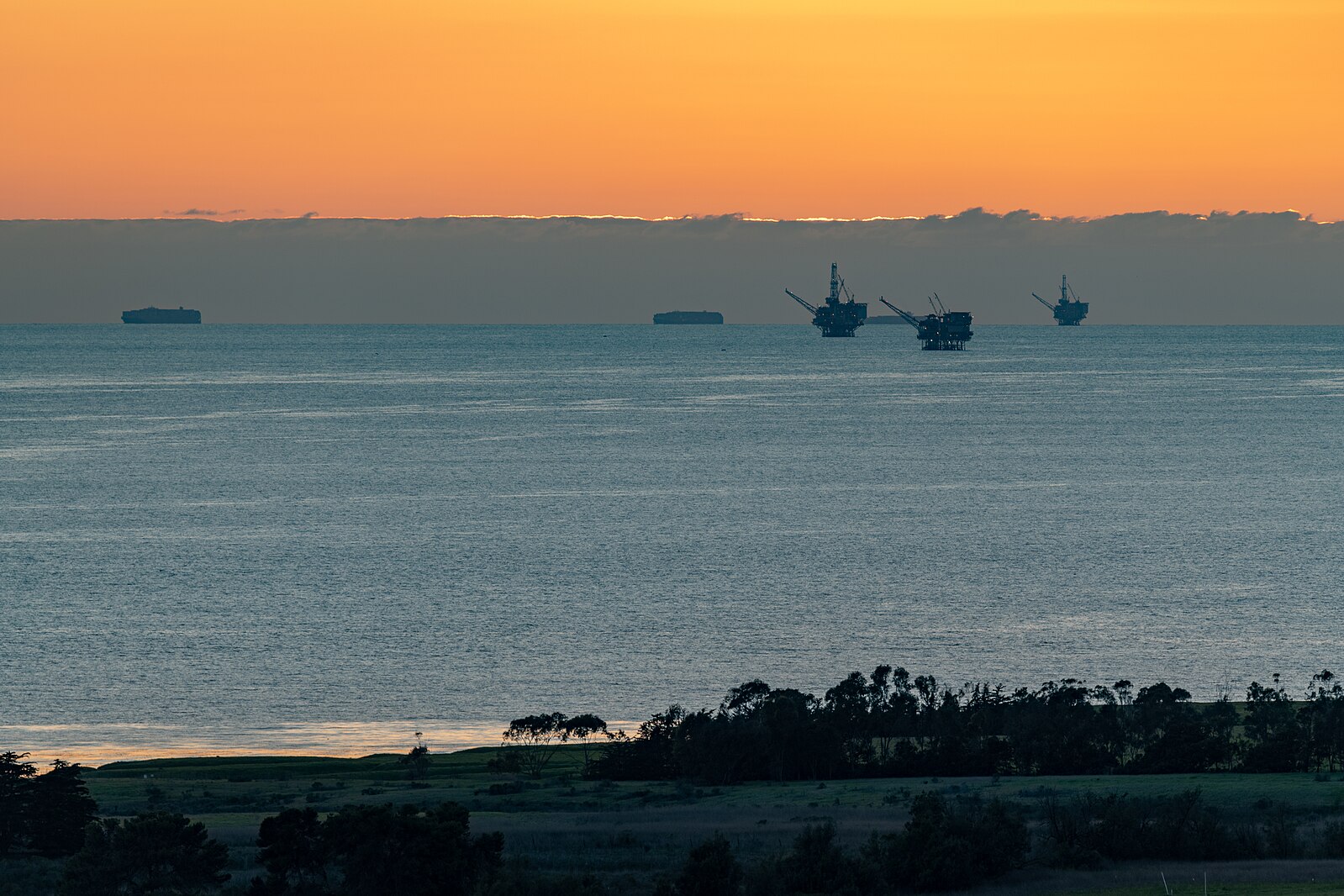
Forty years ago, many of us — including Environmental Defense Center attorney Linda Krop and myself, then a member of the Santa Barbara County Board of Supervisors — fought to end the daily parade of two to three oil tankers carrying up to 300,000 barrels from Exxon’s Offshore Storage and Treatment Facility (OSTF) 3.1 miles offshore. We knew the only way to stop the tankering was to eliminate the OSTF and bring all processing onshore, under state and county oversight.
After years of hard-fought negotiations — with the full support of the environmental community — Exxon agreed. The platforms were electrified, the OSTF was decommissioned, and oil began flowing by pipeline to the facility in Las Flores Canyon. Tankering in the Santa Barbara Channel effectively ended.
That victory was undone in 2015 by the Refugio spill caused by a rupture in the Plains All American pipeline. Exxon later acquired the pipeline, and then Sable acquired Exxon’s Santa Ynez Unit facilities and the pipeline assets. Since acquiring in February 2024, Sable has repaired, upgraded, and subjected that pipeline to the most rigorous inspection and remediation process of any oil infrastructure in the United States. In 2025, both the California State Fire Marshal and the Santa Barbara County Energy Division certified the pipeline fully compliant and safe for operation.
Sable was prepared to restart onshore production this year — until the same environmental groups that demanded a pipeline and onshore processing four decades ago launched lawsuits and administrative challenges to block it permanently.
I understand the reflexive opposition to new oil production. But consider the real-world consequences of succeeding in shutting Sable down:
- Sable holds vested property rights. Prolonged denial of those rights exposes the county and state to massive takings claims under the Fifth Amendment — potentially exceeding $5 billion in taxpayer liability.
- More critically, with President Trump in office and his administration openly hostile to California’s regulatory authority, Sable has a clear federal path forward. The company has already disclosed it’s pursuing a new OSTF and closed a $250 million private placement on November 12, 2025, to fund exactly that pivot.
- If forced offshore again, Sable can resume full production under exclusive federal jurisdiction — and we will once again see multiple oil tankers per day traversing the Santa Barbara Channel.
That is not speculation; it is the same model we eliminated in the 1980s.
California currently imports more than 75 percent of its crude — more than 42 million barrels per month — almost entirely by tanker from foreign sources. Sable’s production would immediately displace one million to two million barrels per month of that imported oil, eliminating dozens of long-haul tanker voyages and cutting the associated carbon emissions by up to 75 percent. Local production under strict state and county oversight is demonstrably cleaner than the status quo of foreign imports.
Governor Newsom successfully intervened to keep Diablo Canyon operating in the interest of energy reliability and emissions reduction. He has the same opportunity here: direct state agencies to negotiate in good faith, secure permanent onshore operations under California jurisdiction, and prevent the resurrection of offshore tankering — all while claiming credit for protecting both the environment and California’s regulatory authority from federal overreach.
To the environmental organizations leading the opposition: If you force Sable offshore and tankers return, history will judge this campaign harshly. Five years from now, every tanker on the horizon will be a visible reminder of what could have been avoided through pragmatic negotiation rather than absolute prohibition.
The choice is binary and urgent: work constructively to keep production safely onshore under California’s stringent standards — or hand the field back to federal jurisdiction and daily oil tankers.
I hope reason and our shared memory of the pre-pipeline era prevail.
Mike Stoker is former Southwest Region Administrator for the U.S. EPA, and former member of the Santa Barbara County Board of Supervisors.

