
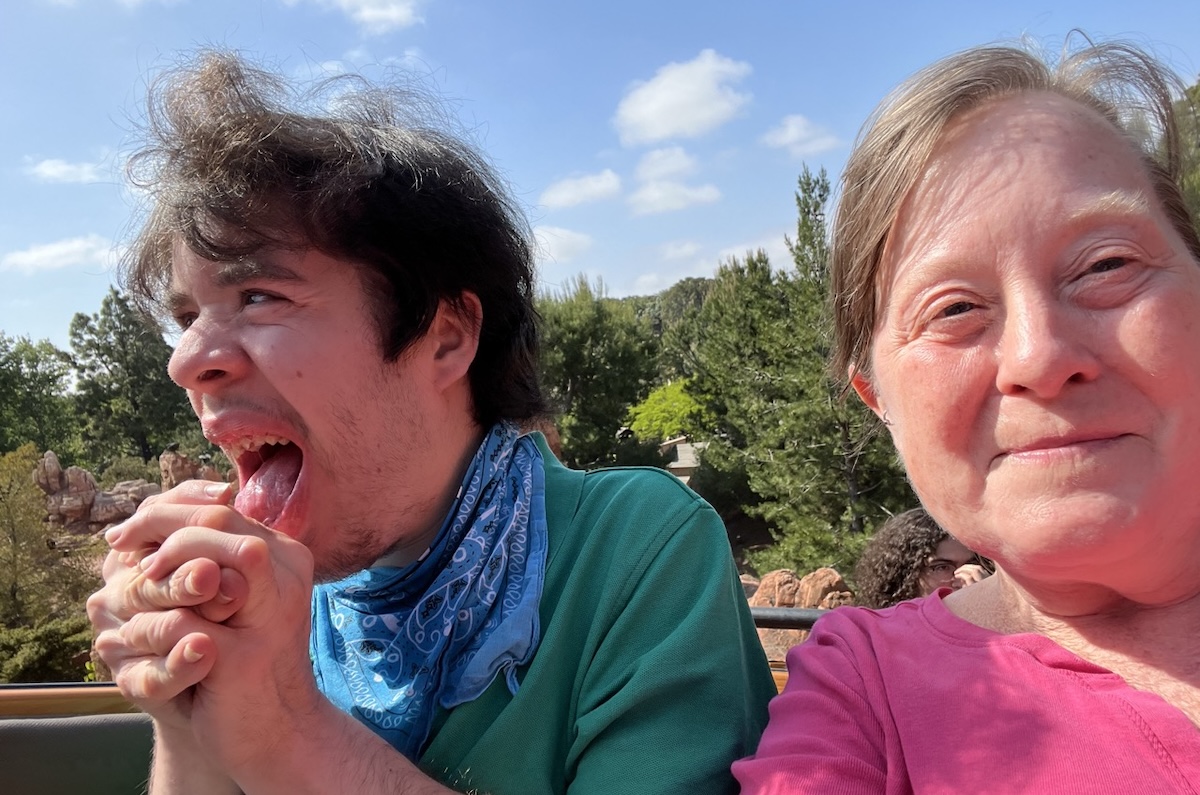
Caregivers for elderly, blind, and disabled individuals in Santa Barbara County just secured a pay bump in a new three-year contract approved by the Board of Supervisors this week.
In-Home Supportive Services (IHSS) workers are people such as Mary Bouldin, who takes care of her disabled son, Tom, around the clock. It’s hard work. Last week, Tom spent a week in the ICU due to an unexpected medication issue. She and Tom stayed up for 97 hours, barely getting any sleep while he was in the hospital, she recounted.
“The last few days at home have been very rough as well,” Bouldin said. “Everyone did a wonderful job working with Tom at Santa Barbara Cottage Hospital, but Tom found the experience traumatizing — as did his mom. It’s a heck of a job.”
The county first raised IHSS wages to $19.07 per hour this January — an increase of $0.40 from the former rate of $18.67 — simply matching the state-mandated minimum wage increase.
However, future increases include another dollar in March, to $20.07, and then $20.40 or $3.50 above minimum wage (whichever is higher) effective July 1, 2027.
In August, Bouldin described a “wage crisis” among Santa Barbara County’s roughly 4,800 in-home caregivers, who are technically “hired” by the person they care for and whose wages are paid for by the county.
Bouldin was logging the max of 70 hours a week at $18.67 an hour. But due to Santa Barbara’s high living expenses, she was still struggling to make ends meet. She and other caregivers represented by the UDW (United Domestic Workers of America) union were calling on the Board of Supervisors to raise their wages to $22 an hour to help make Santa Barbara more affordable.
What they won was $2 short of that goal, but the union still celebrated the gains, which also included strengthened benefits, it said in a statement. The new contract — approved by 98 percent of members — came at a time when Santa Barbara County’s population is aging and “demand for home care services is skyrocketing,” the union said.
“We’re going to keep pushing for higher pay, training, and benefits so that homecare workers are fully compensated for their vital contributions to our communities,” said Courtney Cazenave, a Santa Barbara County IHSS worker.
Doug Moore, executive director of the UDW, agreed, saying they will “keep fighting” for fair pay, especially as they “see drastic cuts on care at a federal level.”
“This is actually an improvement compared to other contract pay increases, as for many years, we actually took a loss with our wage increase compared to inflation,” Bouldin said.
Bouldin also noted that the county’s larger increases are scheduled for a time when new legislation, Assembly Bill 283 (2025-26 session), may be passed and change the picture entirely. The bill would shift IHSS collective bargaining from counties to the state, which would then become the official employer for IHSS wage negotiations — shifting financial responsibility to the state before higher wages come due for the county. Based on this knowledge, Bouldin questioned the county’s motivations. She said she hopes that AB 283 passes.
“I’m pretty sure that all IHSS employees across the state are making significantly lower wages than the cost of living for their area,” she said. “Nothing short of a state-wide policy change can fix this at this point.
“My biggest concern [regarding my pay] is that the current rate of inflation will continue to rise. Everything is so chaotic right now, I can’t even guess — but seeing a drop in inflation seems wildly unlikely at this time. We’re still treading water. This year we’re holding steady with our current pay.”
According to the county, part of the negotiations process includes fiscal planning for this year and the years ahead, explaining why more significant wage increases will kick in later down the road.
“The impact IHSS workers make in the lives of some of our most vulnerable community members is admirable, and they have my utmost respect,” said Supervisor Laura Capps in a statement. “I’m glad that negotiations have yielded a positive result for these dedicated individuals, while maintaining fiscal prudence.”
Related Posts



Premier Events
Thu, Apr 02
5:00 PM
Santa Barbara
Paintings by Michael Vilkin at ART & SOUL GALLERY

Sat, Apr 04
9:00 AM
Santa Barbara
Mesa Harmony Garden Spring Plant Sale

Thu, Apr 09
7:00 PM
Santa Barbara
POSTPONED – Journey Within: Wisdom & Meditation with Gurudev – POSTPONED

Fri, Apr 10
2:00 PM
Santa Barbara
Music & Meditation SB – Concert April 10, 2026
Thu, Apr 02
2:00 PM
Santa Barbara
S.B. Rescue Mission Annual Easter Feast
Thu, Apr 02
4:00 PM
Santa Barbara
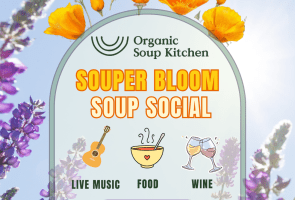
Organic Soup Kitchen’s Souper Bloom Soup Social!

Thu, Apr 02
5:00 PM
Santa Barbara
Exhibit Opening: The Santa Barbara Independent: ‘Covering 40 Years’

Fri, Apr 03
2:00 PM
Santa Barbara
Ensemble Theatre Company Presents “A Night with Janis Joplin”

Fri, Apr 03
5:00 PM
Lompoc
Filipinos’ Contributions to Once Making Lompoc…
Fri, Apr 03
7:30 PM
Santa Barbara
Lahaina: Voices of Change
Sat, Apr 04
9:00 AM
Santa Barbara
Mesa Harmony Garden Spring Plant Sale

Sat, Apr 04
9:00 AM
Santa Barbara
Passport Fair, hosted by Congressman Salud Carbajal

Sat, Apr 04
9:30 AM
Santa Barbara
The Great Egg Hunt
Sat, Apr 04
5:00 PM
Santa Barbara
Classical Guitar at Art & Soul
Thu, Apr 02 5:00 PM
Santa Barbara
Paintings by Michael Vilkin at ART & SOUL GALLERY
Sat, Apr 04 9:00 AM
Santa Barbara
Mesa Harmony Garden Spring Plant Sale
Thu, Apr 09 7:00 PM
Santa Barbara
POSTPONED – Journey Within: Wisdom & Meditation with Gurudev – POSTPONED
Fri, Apr 10 2:00 PM
Santa Barbara
Music & Meditation SB – Concert April 10, 2026
Thu, Apr 02 2:00 PM
Santa Barbara
S.B. Rescue Mission Annual Easter Feast
Thu, Apr 02 4:00 PM
Santa Barbara
Organic Soup Kitchen’s Souper Bloom Soup Social!
Thu, Apr 02 5:00 PM
Santa Barbara
Exhibit Opening: The Santa Barbara Independent: ‘Covering 40 Years’
Fri, Apr 03 2:00 PM
Santa Barbara
Ensemble Theatre Company Presents “A Night with Janis Joplin”
Fri, Apr 03 5:00 PM
Lompoc
Filipinos’ Contributions to Once Making Lompoc…
Fri, Apr 03 7:30 PM
Santa Barbara
Lahaina: Voices of Change
Sat, Apr 04 9:00 AM
Santa Barbara
Mesa Harmony Garden Spring Plant Sale
Sat, Apr 04 9:00 AM
Santa Barbara
Passport Fair, hosted by Congressman Salud Carbajal
Sat, Apr 04 9:30 AM
Santa Barbara
The Great Egg Hunt
Sat, Apr 04 5:00 PM
Santa Barbara

