

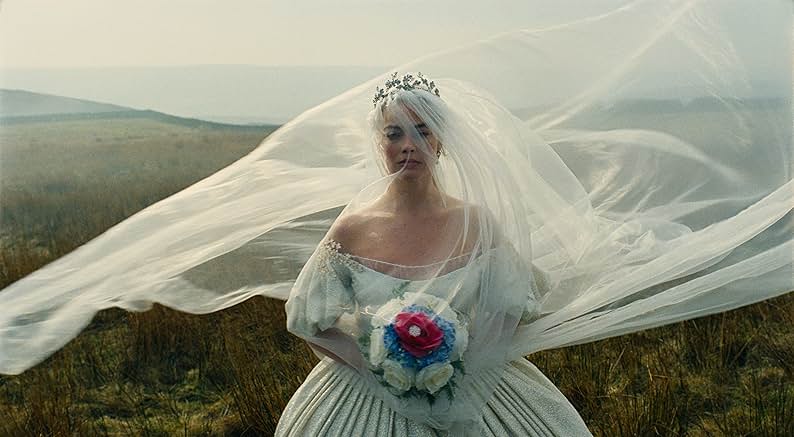
In her role as writer/director of the new version of Wuthering Heights, Emerald Fennel has emphasized that her intention was to update and reset the stage of the classic source material, Emily Brontë’s 1847 novel (published under the male nom de plume Ellis Bell). In short, the adventurous British director sought to create a piece that could resonate with a teenage girl’s sensibilities. Australians Margot Robbie and Jacob Elordi, solid enough in the acting department and nice to look at, are in the crosshairs as star-crossed lovers/would-be lovers Cathy and Heathcliff.
On the evidence of box office receipts, the film has struck a major chord with the teenage girl in all of us, becoming a bona-fide boffo hit, despite mixed reviews and, one could say, some withering lows on the critical front.
Setting aside the comparison between Fennell’s piece and Brontë’s original, film geeks and other more normalized folks can’t help but also compare the 2026 version with the classic 1939 adaptation. Directed by the great William Wyler and starring Laurence Olivier and Merle Oberon as the star-crossed lovers, that iconic production brings an elegance and subtlety to its game, without sacrificing the tragic romance element and hints of melodrama central to the story.
Fennel tends to prefer a mannered mixed-salad approach, in which elegance and affluence intermingle with seedier and more fashionably salacious qualities — a juggling act also found in her superior previous film, Saltburn. Both silk and muck are freely stirred into her cinematic recipe, and the flavor Factor doesn’t always work. Wyler’s Heights opens with the arrival of a traveling stranger at the remote family property, which serves as a framing device for the story’s flashback. Fennell’s Heights opens with a grisly public hanging, which triggers lusty excitement in the gathered townsfolk. Some of that taste for lusty squalor continues through this variation on the Brontë story.

Some details have been altered or exaggerated, but much of the core plot remains. A ragamuffin castoff arrives at Wuthering Heights, taken in by a drunken father and deemed a playmate for daughter Cathy, who dubs him Heathcliff. Love ensues, as do class divisions and prejudice, with Cathy opting for aristocratic comfort over her true love, with his dubious prospects in the world. Heathcliff flees to America, returning to reclaim his love, but fate has other plans.
Fennel and her collaborators lay out the reconstructed story with visual flair and suitable grime and circumstance in the settings. Randomly, we are fed tight close-ups of potential metaphors, including Heathcliff’s scars from a childhood beating and neurotically recurring shots of kneading bread. That image suggests the kneading anxieties of love gone mad, and Heathcliff does go madder than expected, unleashing a sadistic side in his treatment of his wife of convenience, Isabella.
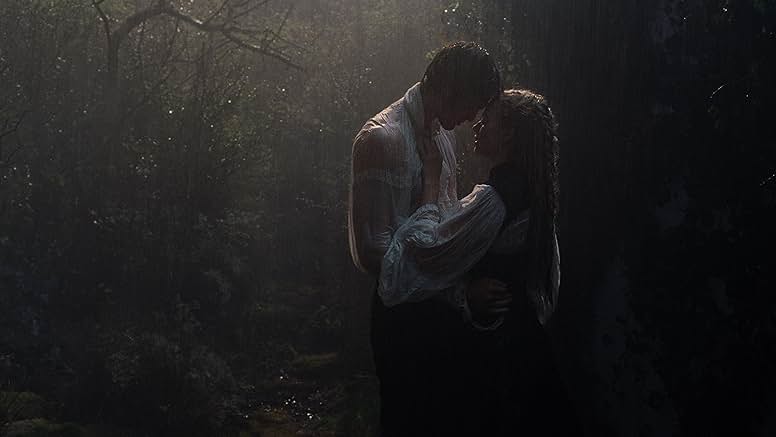
Robbie, also a producer on the project, gets more than her fair share of close-ups and rewards us with jolts of fine acting amid moments of overkill. As a testament to Robbie’s versatility, Cathy is the polar opposite of Robbie’s ditzy heroine Barbie, or her sterling return as Tonya Harding in I Tanya. Tall newcomer Elordi (also in Fennel’s Saltburn) fits the bill as a hunky Heathcliff, at the ready for the carnal montage, if paling in the shadow of Olivier’s Heathcliff portrait.
Redressing — and, in this case, undressing — the classics can be risky business. At best, as with daring new stagings of standard rep operas, new insights can grace familiar works. Fennel’s adventure in rethinking a landmark tale ends up being something of a hit-and-miss, bump-and-grind affair.
Related Posts









Premier Events

Sat, Mar 28
12:00 PM
Santa Barbara
Spring Fragrance Release Party

Sat, Mar 28
7:15 PM
Santa Barbara
Santa Barbara Stargazing Tour

Sat, Mar 28
All day
Santa Barbara
Coffee Culture Fest

Sat, Mar 28
11:00 AM
Santa Barbara
NO KINGS 3!

Mon, Mar 30
6:00 PM
Santa Barbara
Art4Grief Support Group 2nd 2-Week Session

Thu, Apr 02
2:00 PM
Santa Barbara
S.B. Rescue Mission Annual Easter Feast

Thu, Apr 02
5:00 PM
Santa Barbara
Exhibit Opening: The Santa Barbara Independent: ‘Covering 40 Years’

Sat, Apr 04
9:00 AM
Santa Barbara
Mesa Harmony Garden Spring Plant Sale

Sat, Apr 04
9:00 AM
Santa Barbara
Passport Fair, hosted by Congressman Salud Carbajal

Sun, Apr 05
10:00 AM
Santa Barbara
Easter Brunch at Brass Bear

Thu, Apr 09
6:00 PM
Santa Barbara
Chaucer’s Books – Poetry Night

Sat, Apr 11
3:00 PM
Santa Barbara
SB Music Club Free Concert Saturday 🎶
Sat, Mar 28 12:00 PM
Santa Barbara
Spring Fragrance Release Party
Sat, Mar 28 7:15 PM
Santa Barbara
Santa Barbara Stargazing Tour
Sat, Mar 28 All day
Santa Barbara
Coffee Culture Fest
Sat, Mar 28 11:00 AM
Santa Barbara
NO KINGS 3!
Mon, Mar 30 6:00 PM
Santa Barbara
Art4Grief Support Group 2nd 2-Week Session
Thu, Apr 02 2:00 PM
Santa Barbara
S.B. Rescue Mission Annual Easter Feast
Thu, Apr 02 5:00 PM
Santa Barbara
Exhibit Opening: The Santa Barbara Independent: ‘Covering 40 Years’
Sat, Apr 04 9:00 AM
Santa Barbara
Mesa Harmony Garden Spring Plant Sale
Sat, Apr 04 9:00 AM
Santa Barbara
Passport Fair, hosted by Congressman Salud Carbajal
Sun, Apr 05 10:00 AM
Santa Barbara
Easter Brunch at Brass Bear
Thu, Apr 09 6:00 PM
Santa Barbara
Chaucer’s Books – Poetry Night
Sat, Apr 11 3:00 PM
Santa Barbara


You must be logged in to post a comment.