

Santa Barbara is located at a fragile edge of the electricity transmission grid, and when that tenuous grid fails, everyone throughout the entire Santa Barbara region is at risk of losing service — potentially for months at a time.
A single set of power lines runs 40 miles across the backside of the mountains through extreme fire, landslide, and earthquake zones, to a connection point in Ventura. When those lines are disrupted, whether from natural disaster, operational error, or utility shutoffs, electricity service can be lost from Point Conception to Carpinteria. Anyone who lived through the Thomas Fire and subsequent debris flows understands the stakes. And with more frequent extreme weather events, the risk of disruption is growing.
The traditional solution — building more power lines — takes decades and would cost ratepayers billions of dollars. Thankfully, there’s a fast, practical, and cost-efficient alternative: enhance resilience within the Santa Barbara region.
This approach is already taking shape in Santa Barbara, where projects led by the Clean Coalition are deploying solar and battery systems to keep critical facilities powered during outages.
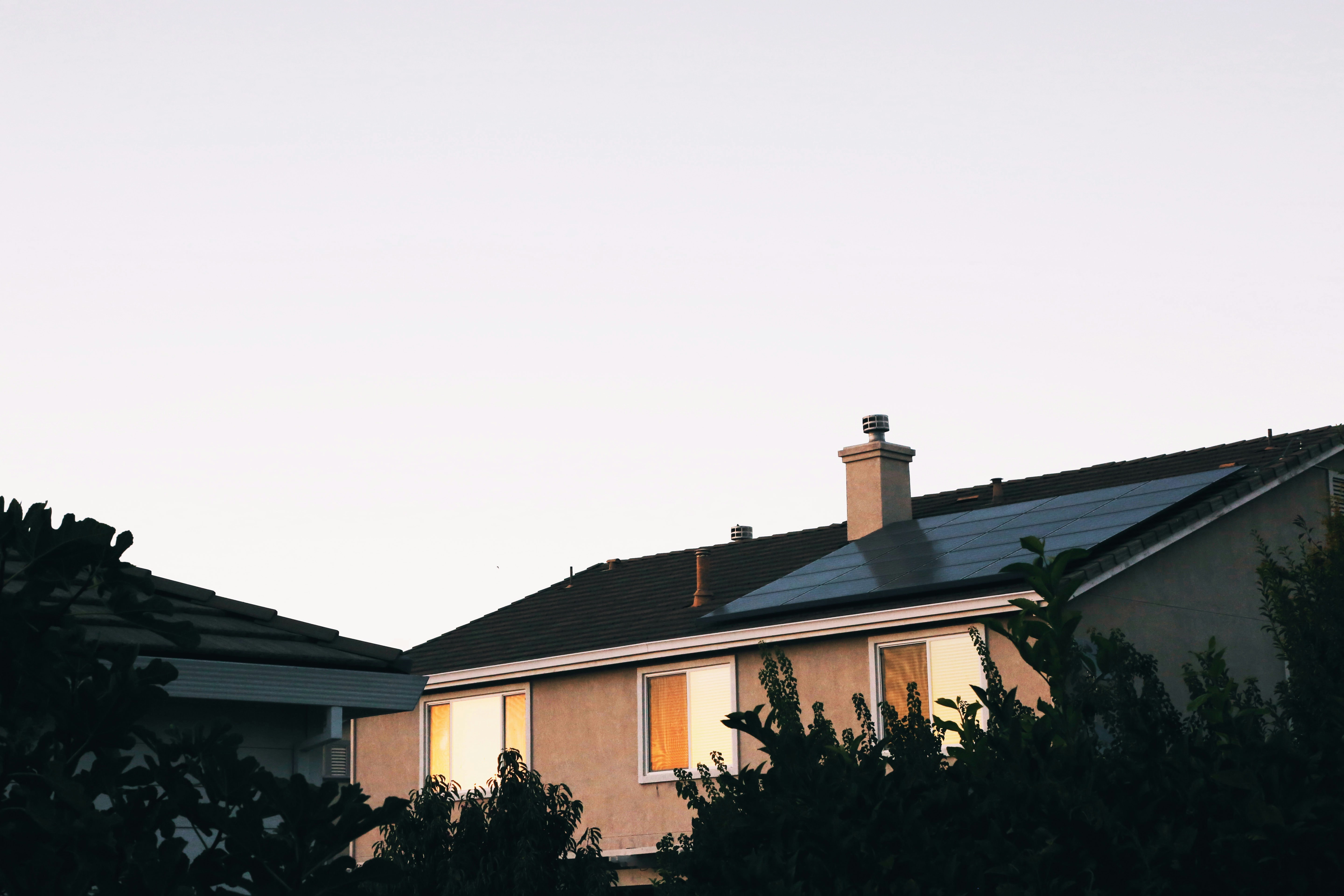
By deploying solar panels and battery storage on rooftops, parking lots, and other built environments, Santa Barbara can keep the lights on even when the broader grid fails. Homes, businesses, and critical facilities can continue operating, while the benefits of clean energy investments stay in the local economy. Solar and batteries don’t just help in emergencies, they save money, improve air quality, and make the grid more reliable every single day.
California already has a program that helps make this possible: the Demand Side Grid Support (DSGS) program pays Californians to use their batteries to provide support during times of grid stress, preventing grid outages that would otherwise happen. Every new battery participant makes the grid stronger — and every new solar project helps keep those batteries charged from local resources, enhancing grid resilience while maximizing local economic benefits.
Importantly, DSGS does not leave participants without backup power: Grid stress events run for just a few hours during the evening, after daytime solar has typically recharged the battery. Additionally, participants always maintain a minimum backup reserve for essential home electricity needs. So the refrigerator, air conditioner, EV charger, and everything else keeps running when your battery is called upon by DSGS.
Together, these batteries can deliver significant power when it’s needed most — helping meet peak electricity demand across the state. So far, DSGS has paid $67 million directly to ratepayers that participate in the program while costing just $13 million to run. And since rising electricity demand can be met with existing resources rather than building expensive new infrastructure, DSGS could save Californian ratepayers an estimated $206 million over the next few years.
In its first three years, DSGS has scaled rapidly. Despite its success, it still does not have permanent funding. Current funding is set to run out by the end of 2026 — just as the need for grid reliability is growing with substantial new demand from data centers and industry, and more frequent extreme weather events.
So why would California walk away from a program that is already delivering results?
DSGS has enough funding to limp along, but not beyond this year. California should be building on the program’s success and expanding it. Instead, the governor’s budget proposes funding a different program that has delivered only a fraction of the results (less than 5 percent of the energy DSGS provides) at a much higher cost.
The Legislature has the power to ensure the proper outcome, and that starts with our local representative in the State Senate, Monique Limón. As Senate President Pro Tempore, she plays a key role in shaping California’s budget and setting priorities
Senator Limón understands the value of programs like DSGS. But with a limited state budget, priorities are shaped by what constituents demand. That’s where the public needs to make its voice heard. Santa Barbara residents should contact Senator Limón’s office and urge her to make permanent funding for DSGS a priority — so that proven solutions like DSGS don’t get left behind. Fortunately, this simply requires that DSGS funding remains in place, instead of being shifted to a much less effective program.
For Santa Barbara, the stakes are clear: when the next natural disaster hits, will we be ready? A simple call or email to Senator Limón ’s office can help ensure that programs like DSGS remain a priority — and that our community isn’t left in the dark. And that everyone across California is being well served by clean and cost-effective local solar and its natural partner: local energy storage.
To contact Senator Limón: call the Capitol Office phone 916-651-4021; Santa Barbara Office phone 805-965-0862; or send a written note — https://sd21.senate.ca.gov/contact

