

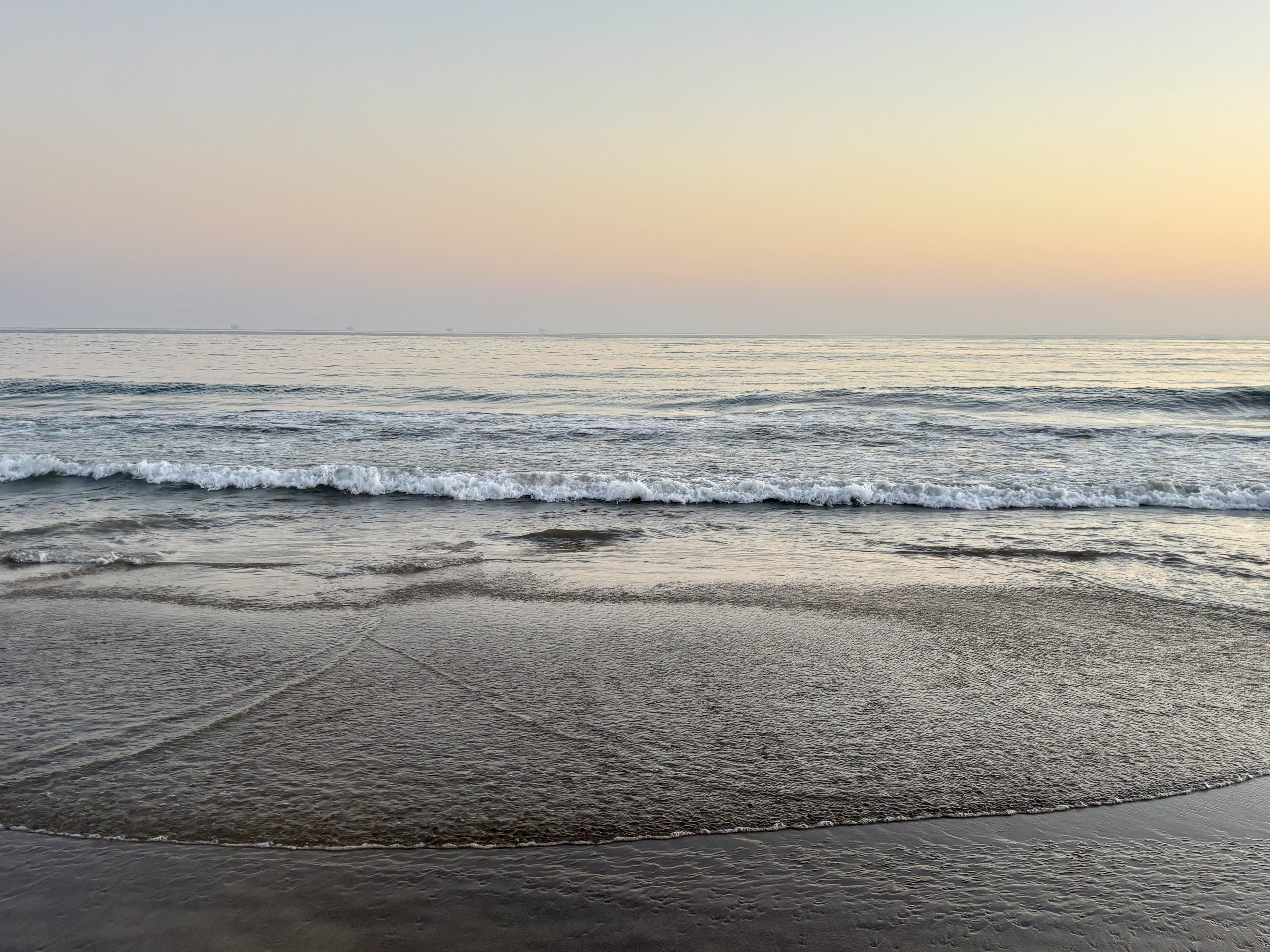
Some people have said that they don’t think it is fair that the Chumash be honored with a new protected area in the ocean here in Santa Barbara.
I started learning more about Chumash history, culture, and all their beautiful traditions that are still alive today in my 3rd grade class. Our teacher read us a book set in the Chumash village of Helo’ that was on an island in the middle of a wetland by the beach. The story left stuck in my memory beautiful images of the bustling life in the village. Some things felt very different from life in Santa Barbara today — like how everyone lived in dome-shaped houses called ap’ made from willow branches and reeds and how people traveled up and down the coast and across the ocean in canoes made of planks they sowed together called tomols. But some things felt the same, like kids laughing just like they do today and playing bear tag like we sometimes do too.
I know there used to be many Chumash villages up and down the Santa Barbara coast from the bustling village of Helo’. In fact there was a large village, called Mishopshno in the area where people are today trying to set up this new special ocean protected area. Mishopshno, just like the village of Helo’, was right next to a creek and a wetland full of wildlife.
I was so interested in the stories we heard in our class book about Helo’ that I asked my mom to take me to see where it used to be. When we arrived at the spot, nearby to the Santa Barbara Airport I was confused and I thought we were in the wrong place. There were no signs telling us about the village. There was not even any island anymore. When we looked at Google maps to see if this was the right place, I saw concrete ponds and brown pools behind the hill that we guessed was all that was left of the island. The same map told me that this was a sewage treatment plant. My mom explained that this was where everything we flush down the toilet gets sent. Seeing these pools surround the same village that was so special in my head made me feel frustrated and infuriated. I can’t even imagine how it makes the Chumash feel. I asked my mom if we could leave.
This is why I strongly believe we need this new protected area at Mishopshno. Because we already totally ruined Helo’. We turned their fascinating history into a big pond of sewage. They had all the ceremonies and burials there that we just came and turned into rubbish. So in order to honor the last bit of what they have left, and not have it go to a total waste like we did to Helo’ ,we have to step in and help them by making a protected area at Mishopshno.
I searched for “Padaro Beach” on my mom’s phone (this is today’s name for the beach near to where the Mishopshno protected area could be created). There were so many happy pictures and memories that came up: me having jumping competitions off the beach sand cliffs created by the tides (and beating my brothers because they deserve to be beaten right?), me surfing in the cold waves, and me catching a shovel-nosed guitarfish that was almost as big as I am in the middle of the night fishing from shore with my dad.
I can still do all of those same things if Mishopshno becomes protected. Everyone in the community can. But while doing these same things I might also have a chance to catch a glimpse of members of the Chumash Tribe paddling out into the protected area to go fishing, maybe even in one of today’s tomols. Seeing something like that would make me feel very wonderful.
Flora McCauley is nine years old and attends Montecito Union School.

