

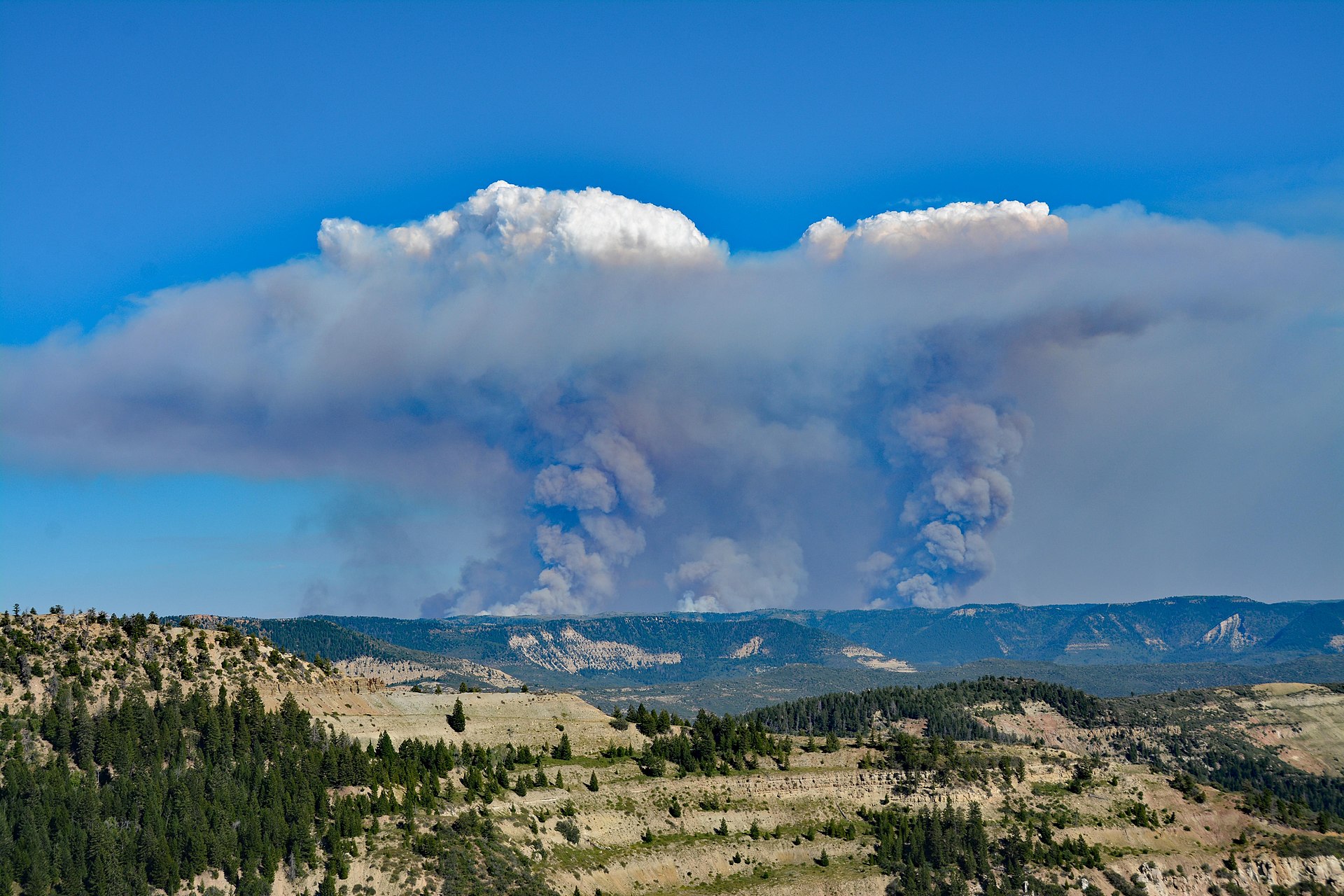
This year’s wildfire season is predicted to be of epic proportions, with a record 5.5. to 8 million acres likely to burn across the United States. The fire danger is amplified by drought as a result of historically high temperatures. Yet not everyone recognizes that cause of the looming disaster. Fewer than half of Americansbelieve that human activity is changing the climate at all, in spite of overwhelming 99.9 percent scientific consensus.
This disconnect is one example of a pervasive case against science that is not limited to climate change. Vaccination, teaching of evolution in schools, or responses to pandemics are all being questioned. Typically, the argument is not that the science is wrong; it is that science cannot be trusted. The case against science is that it is unreliable. The claims are that climate science is not settled yet, evolution is just a theory, and vaccines have not been sufficiently tested.
In all those debates, the case follows a very similar playbook: to undermine trust in established scientific understanding all one needs to do is create doubt. Cherry-picking data, citing a lone dissenting scientist, or promoting unproven theories all contribute to spreading confusion. For example, some opponents of vaccinesstill quote debunked studies, such as a publication in Lancet that linked the MMR vaccine to autism, which was retracted 16 years ago.
In reality, climate science is grounded in research that started a century and a half ago, as is the theory of evolution, which is based on an ever-growing amount of solid data from the fossil record, as well as from DNA. Medicines, including vaccines, are based on extensive, solid, and fundamental biochemical research and take many years to develop in part due to rigorous testing.
So why do so many people believe alternative narratives? Part of the problem is that the weakening of science is a strategy that is systematically employed by interest groups, such as the fossil fuel industry or alternative medicine promoters. It is also a line of argument often embraced by ideologically driven politics, which opposes any finding that might require collective action, such as fighting global warming or mandated immunization.
It is a self-serving strategy for these anti-science practitioners, but one with dire consequences. Fifty years ago, international conferences already called for reductions in greenhouse gas emissions. Yet today, thanks to climate skepticism, vulnerable communities are still unprepared for the predictable devastating results of global warming. In spite of COVID, the world is still woefully unprepared for the next pandemic. Preventable infectious diseases, such as measles, mumps, and chicken pox, were thought eradicated but are making a comeback. Perhaps the most destructive consequence of the rejection of scientific arguments is the effect it has of undermining the idea of science itself. When scientists can no longer be trusted, their knowledge carries no more weight than the opinion of the next influencer or conspiracy theorist.
To be sure, science can be wrong, but key to the scientific method is a process of continuous checking and the fact that new observations will lead to new theories. In addition to answering questions, it keeps questioning the answers. It is a self-correcting, ever evolving process in which each new discovery further shapes our knowledge. Science itself is the art of the doubt. Existing theories are subject to future refinement, but in the meantime, they are by far the best and most proven understanding we have today.
The great cathedrals of mediaeval Europe took centuries to build by successive generations of workers who knew they would never see the finished product they were building. Similarly, modern scientists are each contributing a little stone to a majestic structure of knowledge, knowing that it will never be finished. The case against science is undermining the very foundation of that building.
Scientists will always continue to evolve and improve our understanding further. In stark contrast to so-called climate skeptics, scientists are professional skeptics. That approach gives us the tools to keep improving our lives, increasing life expectancy, reducing child mortality, and yes, averting disasters such as wildfires.
Mattanjah de Vries is a Distinguished Professor of Chemistry at University of California, Santa Barbara, and a Public Voices fellow of the OpEd Project.

