

The costs of climate change are horrendous. Air pollution alone from burning coal, oil, and gas causes millions to die prematurely, and their carbon emissions are overheating our planet with grave consequences. And climate change affects more than our health and environment; it impacts every household budget. These costs are compounded by property insurance spikes, utility surcharges, increased taxes, and escalating food prices — all inflated by climate-fueled heat waves, wildfires, sea level rise, droughts, floods, and other extreme weather events.
According to the U.S. Senate Budget Committee, unless the United States and the world rapidly transition to clean energy, climate-related extreme weather events will become both more frequent and more violent, resulting in ever-scarcer insurance and ever-higher premiums. This is predicted to cascade into plunging property values in communities where insurance becomes impossible to find or prohibitively expensive. A collapse in property values has the potential to trigger a full-scale financial crisis. To avoid such a devastating fate, we must speed the transition to clean energy and eliminate carbon pollution. Climate change is a looming economic threat.
President Trump often paints a fake picture of economic well-being by telling Americans to look at the stock market, which has more than doubled in value since 2020. Yet, most Americans don’t own stocks. Instead, families are draining savings accounts, carrying larger credit card balances, and putting off major purchases just to stay afloat. For many, a small increase in monthly bills can mean less money for groceries, less money for healthcare, and less money for the electric bill.
This summer, with more frequent heat waves, American households are projected to spend significantly more just to cool their homes. Average expenditures for residential electricity are expected to increase by more than 10 percent over 2025, creating an average $800 increase in household budgets.
According to the Yale Program on Climate Change Communications, two-thirds of registered voters (67%) think global warming is affecting the cost of living in the United States. Sixty-six percent attribute it to the increase in home utility bills; 61 percent see it in higher grocery bills; 56 percent experience it through the increasing costs of owning and operating a car; and 51 percent are finding it in increased costs of home insurance.
The U.S. Treasury’s Federal Insurance Office reports that homeowners’ insurance costs have risen faster than the rate of inflation — 8.7 percent more from 2018-2022 — and that premiums, non-renewal rates, and insurers’ costs are higher in communities affected by substantial weather events. In climate-impacted California, according to a recent Stanford report, average homeowners’ insurance premiums rose 84 percent between the end of 2020 and March 2026, while average deductibles climbed from $1,813 to $2,553.
Food production and climate change are closely related. Extreme weather events can damage crops, reduce yields, and disrupt supply chains — all of which can drive food costs higher. A recent study suggests that projected warming by 2035 would drive food price inflation in North America up by 1.4 to 1.8 percentage-points per year on average. According to Bloomberg’s reporting researchers can now directly correlate rising temperatures with permanent jumps in household food budgets. Climate change acts as a persistent, hard-to-predict upward force on the cost of everyday goods. But there are things we can do to protect families from the increasing costs of climate change.
We can make polluters pay! Many states are taking fossil fuel companies to court claiming that they should pay the costs of devastating weather disasters and damages caused by the active role of fossil fuels in climate change. The California Legislature is currently considering the Affordable Insurance and Recovery Act (SB982). This legislation would authorize the Attorney General to take large oil and gas companies to court for damages, such as premium spikes, related to climate-fueled drought, wildfires, and floods.
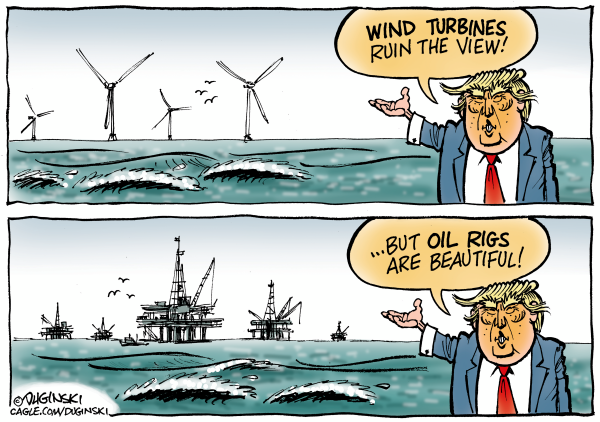
We can demand that utilities move more quickly to generate electricity with clean energy. Permitting processes must be reformed to expedite the backlog of cheaper clean energy resources that are waiting to be connected to the grid. States must require utilities to favor residential customers over shareholders, corporations, and emerging data centers. Now that renewables with battery storage are cheaper than coal, oil, or gas, there is no justification for continued use of these polluting fuels.
Progress is beginning. In 2026 solar, wind and battery storage are projected to account for nearly 99 percent of all new electrical capacity added to the U.S. grid. However, 57 percent of U.S. electricity is still generated by more expensive, polluting, fossil fuels.
We can support political leaders who will restore clean energy subsidies that would incentivize families to stop heating, cooling, and cooking with fossil gas and make the transition to more efficient, cost-saving electric appliances. Programs to incentivize trading-in gasoline powered vehicles for more efficient and economical electric ones would, in the long run, reduce pollution and lower transportation costs.
For millions of Americans, financial stability is already hanging by a thread. The loss of a job, a car accident, or an unexpected hospital stay can mean years of debt and overwhelming stress. A few thousand dollars in increased costs caused by climate change will overwhelm many household budgets.
In November we can use our votes to replace politicians whose misguided support of fossil fuels is holding us back from realizing a healthier and more affordable future.

