
Press releases are posted on Independent.com as a free community service.
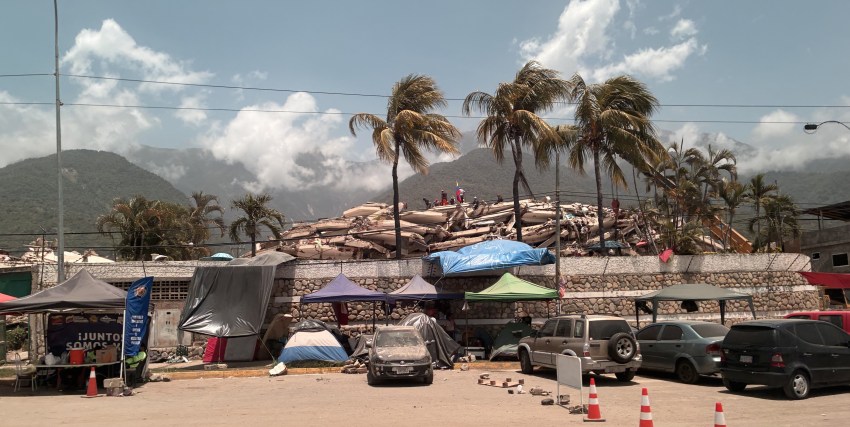
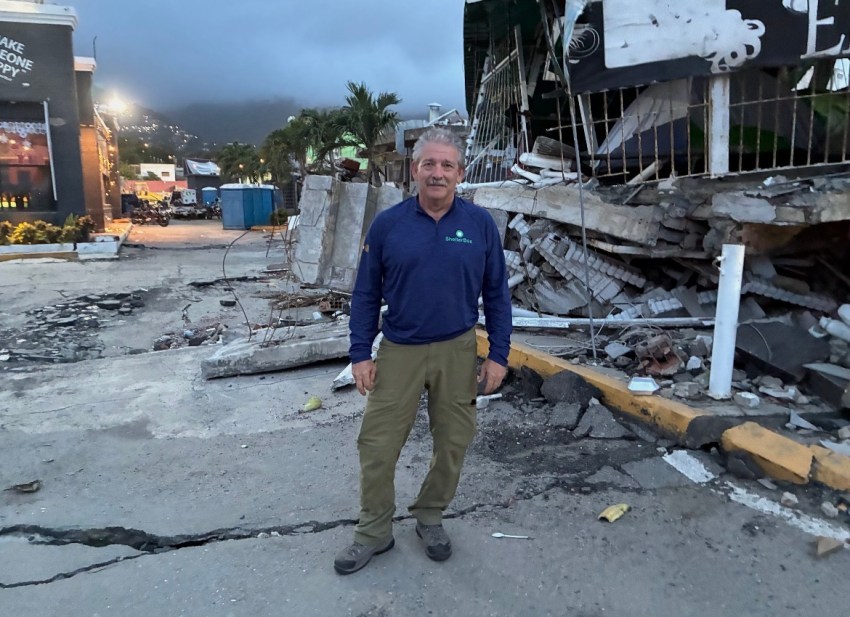
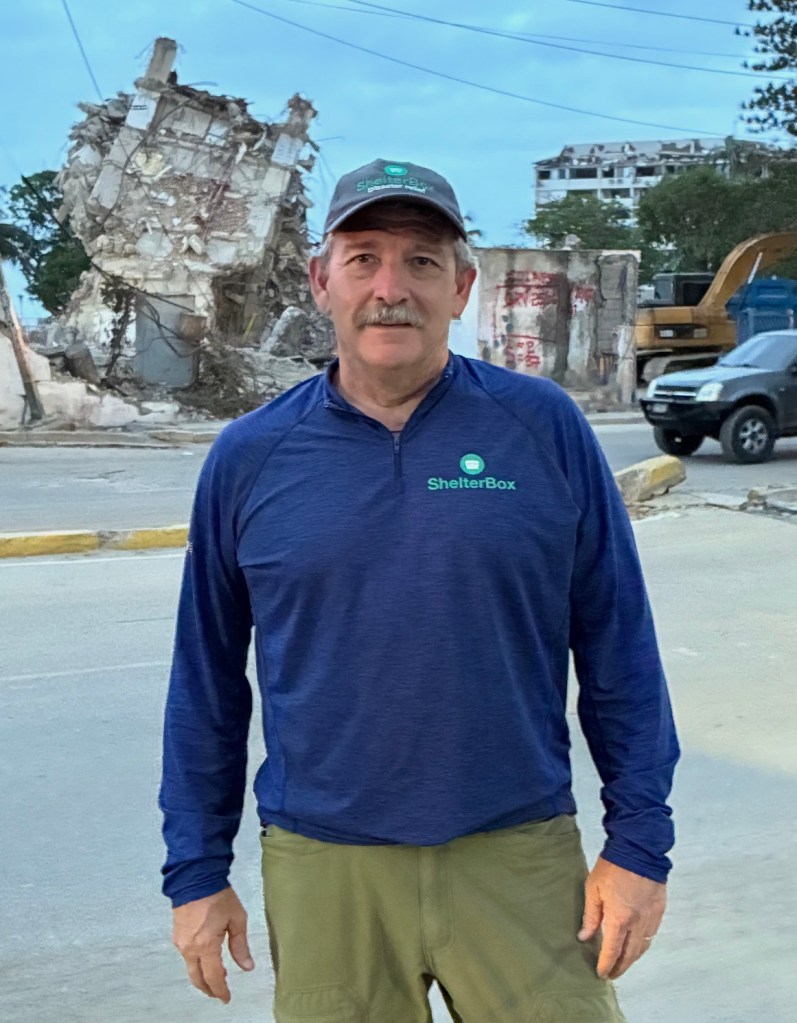
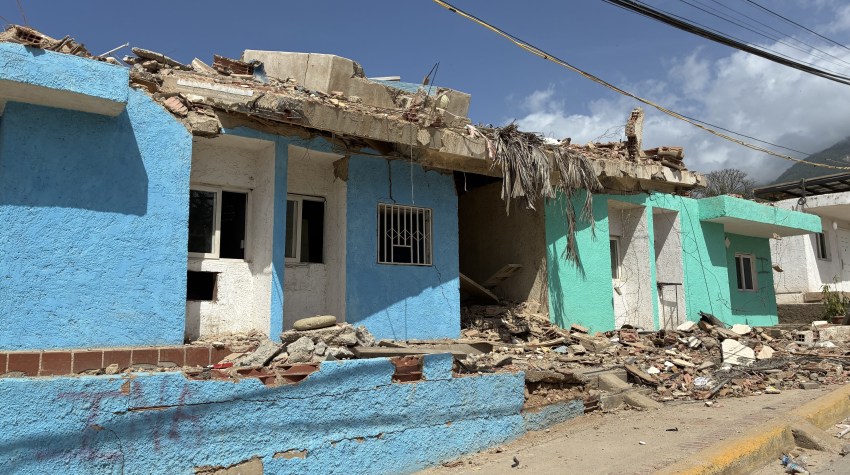
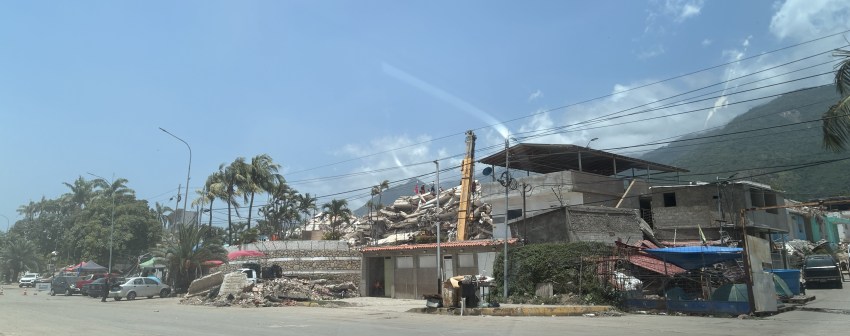
La Guira, Venezuela — Brian Glenn, senior response manager for ShelterBox USA, has been on deployment, criss-crossing the earthquake-ravaged South American country. Glenn is helping to open the pipeline for vital supplies to reach people and assessing needs in a hellscape of destruction.
”The biggest problem families face isn’t only inadequate shelter, it’s the uncertainty of how long they’ll be allowed to stay together,” Glenn said.
Homes that remain standing have been condemned as unsafe. Many people sleep under worn tarps, returning to their damaged homes each day to protect the few possessions they have left while enduring several aftershocks every day.
The multi-pronged ShelterBox strategy is to deliver Items including durable tents, shelter kits to build small temporary structures, and household items, including mosquito nets, blankets, sleeping mats, solar lights and kitchen sets. The tents are UN-specification geodesic emergency tents.
Glenn and fellow ShelterBox response team members spent much of Tuesday buying tools to start the construction of 1,000 temporary shelter homes in coordination with Rotarians.
“We had sticker shock,” Glenn said. “A cordless drill cost $500. Same drill cost about $100 in the U.S. Slowed us from making purchases.”
Glenn reported weaving through the damage zones, and every time they passed a baseball stadium, drivers gushed with pride over Venezuela’s amazing baseball success. Venezuela won the World Baseball Classic in March, and boasts around 60 major leaguers now, including three Dodgers, 2025 World Series hero Miguel Rojas, Edgardo Henriquez and Eliezer Alfonzo Jr.
“I visited a “sandlot” that was being used by 100 families for an informal settlement,” Glenn said. “I thought back to my Little League days and big-league dreams. I realized the same thing takes place here, in every neighborhood, on ball fields just like this one. Except now those kids’ dreams are on hold because the earthquake turned their playground into their new home.”
Glenn described the sandlot community leader as an elderly woman living in a shipping container. She used a cane to walk around and show how they lived. Families shared one working toilet near the bleachers and then a make-shift outhouse in left field. They slept in small, flimsy (not provided by ShelterBox) mostly used tents.
“They have to walk to another settlement several blocks away for the closest shower, but the line is too long to bother,” Glenn explained. “They had two communal cooking areas to share. Two cars had been salvaged from the rubble, too damaged to drive, so they covered them with a tarp to keep a few personal items dry and secure.”
Rotary clubs across Venezuela have been instrumental in every aspect of the ShelterBox response, from helping secure visas, serving as the consignee for humanitarian aid entering the country, arranging transportation, providing warehouse support, coordinating assessments, and welcoming our team into their homes.
Brian Glenn has responded to 10 disasters for ShelterBox, including in the Philippines, Fiji, Argentina, Paraguay, Haiti, Indonesia, Morocco and Venezuela. ShelterBox hired Glenn as a full-time response manager in November of 2025. Glenn had served a Shelter Box ambassador since 2011 and volunteer response team member since 2013. Brian served for 33 years on the Denton, Texas Fire Department, six of them as battalion chief.

