

Across the top of the paper, written in large letters, was the N-word with the hard “R.”
I was supervising lunch detention at San Marcos High School when I picked it up. For a moment, I wondered if I was somehow overreacting. Then I asked myself a simple question: Who else in that room could it have been meant for?
So when I read the Santa Barbara Independent’s recent reporting on Black students describing the racism they continue to experience in Santa Barbara Unified School District, I wasn’t surprised. I was heartbroken because I believed them — not simply as an educational rights advocate, but as a former educator in the same district who experienced many of the same patterns they described.
The overwhelming majority of my students were thoughtful, curious, and respectful. They reminded me why I became a teacher. But a small group targeted and intimidated me. What began as classroom defiance escalated into harassment serious enough that campus security monitored my classroom. One afternoon, several students waited outside my classroom after school, effectively trapping me inside until a campus security officer arrived.
I seriously considered filing a police report. When I reported these incidents, administrators expressed sympathy but told me there was little they could do until something physical actually happened. If a teacher reaches the point of considering a police report, hasn’t the situation already gone too far?
I grew up in Houston, Texas, a place many people associate with overt racism. When I accepted a position in Santa Barbara, I imagined California as a place where my race would matter less and I could simply focus on teaching.
Instead, I encountered something I wasn’t prepared for.
The discrimination I experienced wasn’t always obvious. It was woven into the culture in ways that often went unnamed. As a Black woman, I frequently felt watched, scrutinized, and treated as though I didn’t belong. Conversations with other Black residents in Santa Barbara revealed experiences strikingly similar to my own. This wasn’t always discrimination that announced itself with a slur. More often, it appeared in patterns — in who felt welcome, whose voices were trusted, and whose concerns were questioned.
The challenges I faced weren’t limited to students. I built relationships with students and families, contacted parents, and used the district’s language line to communicate with Spanish-speaking families. Yet the expectations placed on me shifted constantly. I was encouraged to build relationships, then criticized for doing so. I was expected to enforce rules that others ignored. When I referred to previous emails or written directions for clarification, the inconsistencies were never addressed. Eventually, I began documenting every directive because I no longer trusted that today’s expectations would still apply tomorrow.
After months of navigating student harassment while trying to manage an increasingly hostile supervisory relationship, I requested a meeting with my principal, believing I would finally have an opportunity to explain what had been happening. When I walked into the room, an HR representative was already waiting. At that moment, I realized the meeting wasn’t about listening. The decision had already been made.
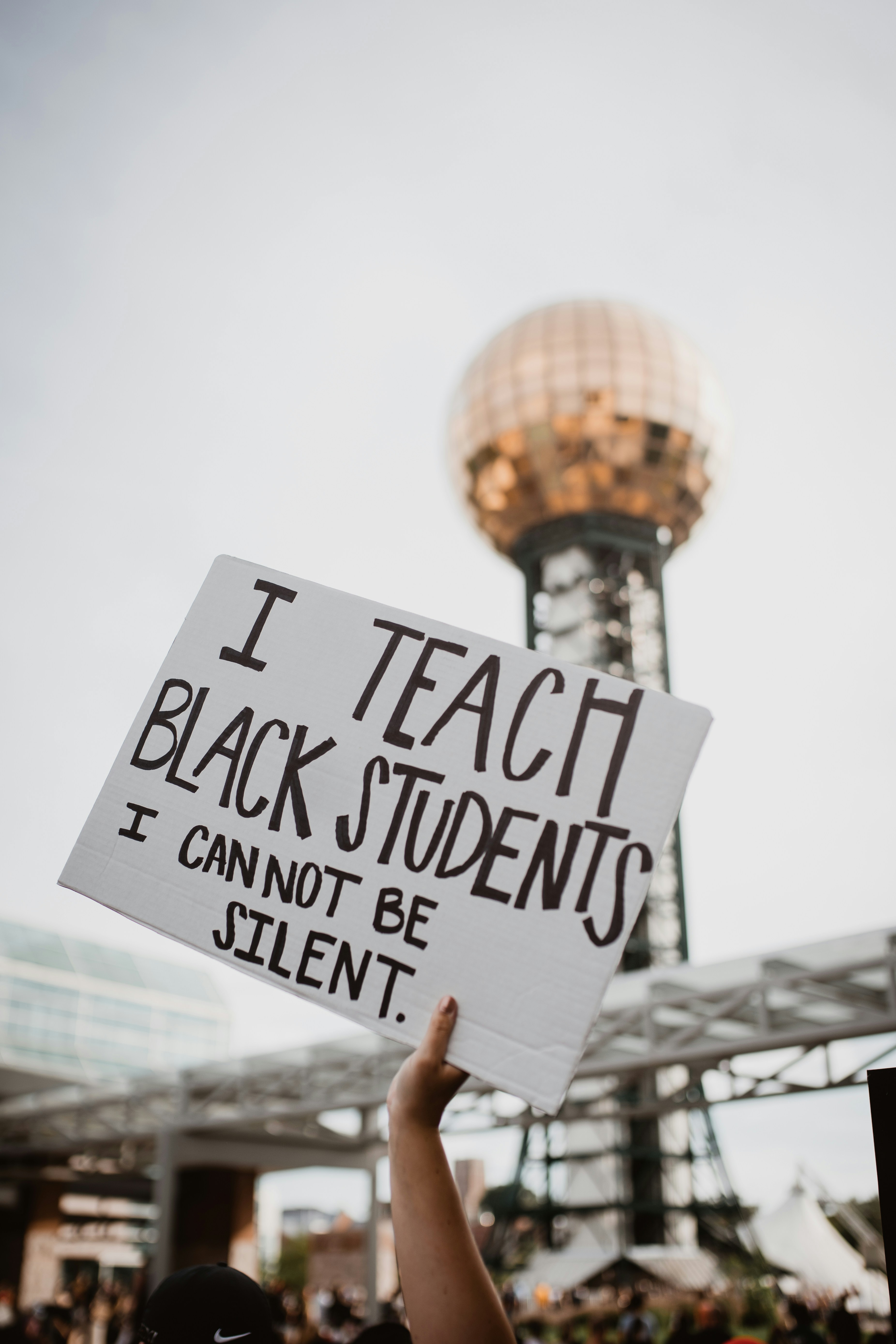
The students featured in the Independent’s article asked what happens when schools don’t protect Black students. My experience forced me to ask another question: What happens when the teachers aren’t safe either? Who steps in for us?
I ask that question as someone who devoted eight years to teaching high school English before coming to Santa Barbara. Teenagers have always been my favorite people to teach. Somehow, I have just the right combination of personality traits to keep them from eating me alive. We laugh, debate, and wrestle with big ideas together. Teaching has never been just a job. It is my calling.
People often ask what school districts should do differently, and the truth is, I don’t know. Not completely.
I don’t know how to eliminate prejudice from a society that continues to produce it. I don’t know how to guarantee that every administrator will make the right decision or create institutions that never fail the people they are meant to protect.
But I do know where meaningful change begins. It begins with listening before becoming defensive. It begins with believing people when they describe their lived experiences instead of immediately searching for reasons to explain them away. It begins with creating school cultures where reporting racism — whether by a student or a teacher — is viewed as an act of courage rather than an inconvenience.
Black students deserve to feel safe. Black teachers deserve respect. Black families deserve to know their children will be valued. Those are not extraordinary requests. They are the minimum every public school should promise.
Today, I am no longer surprised when Black students say they don’t feel safe in our schools.
But I refuse to become comfortable with that reality.

