
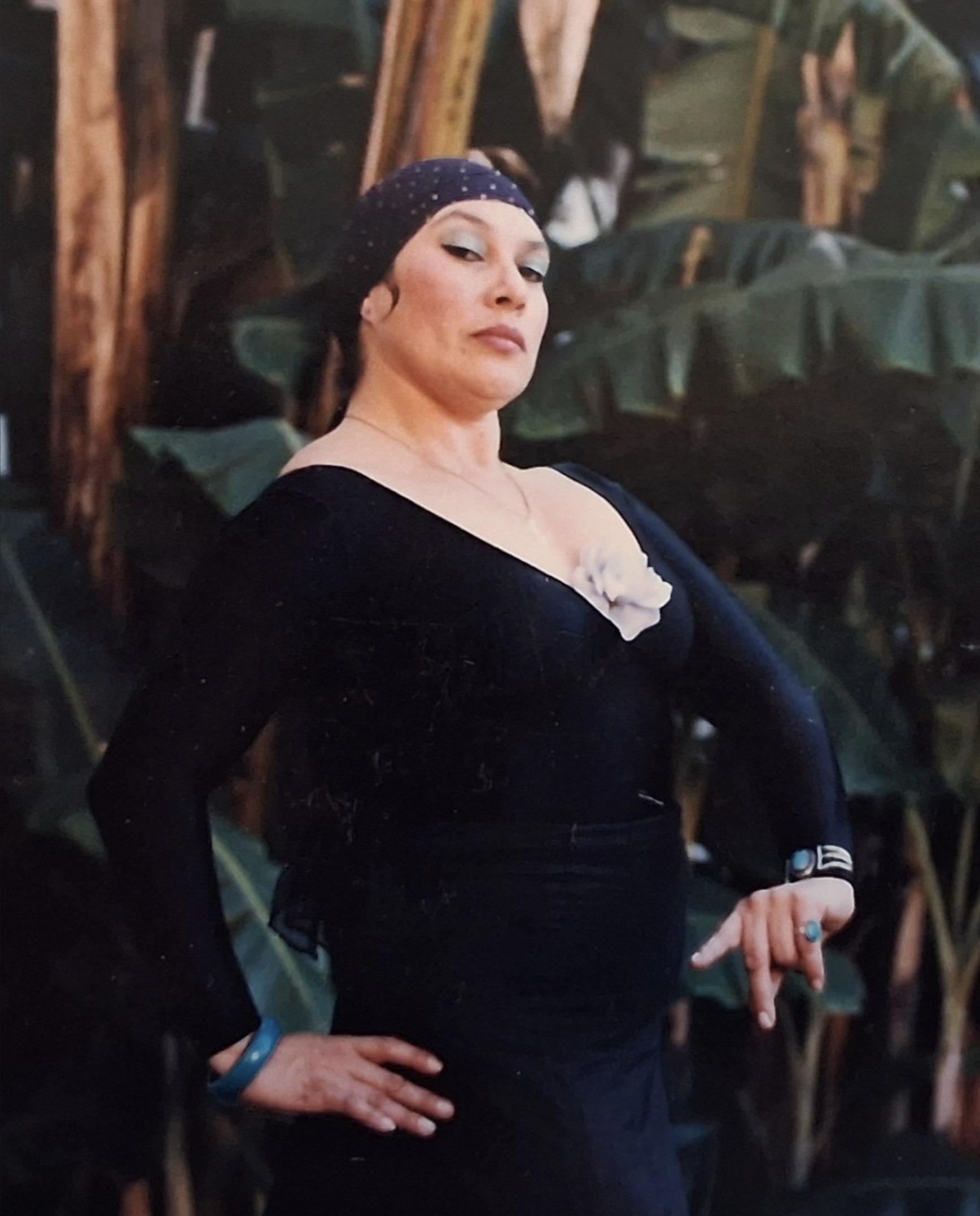
This June, Santa Barbara lost a true force of nature. You might have known her well, or maybe you just caught a glimpse of her riding her bike through town. If you’ve spent any time in this community, you know her presence. Anna Galindo made Santa Barbara what it is today, and flamenco lived in her very core.
Through flamenco, Anna enabled us — her dancers — to find our own inner force that we still carry decades later. She taught us to stand up straight, to enter a room with poise, to never apologize for who we were, and to be proud of what we had to offer.
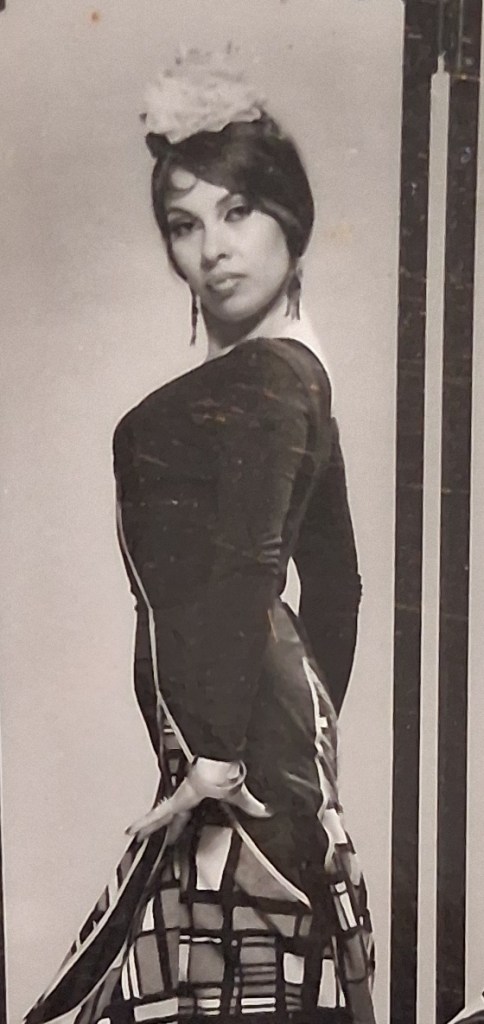
We were young when we started dancing with Anna. Elizabeth was 8 when she sat on the Mission’s stone steps as a Fiesta flower girl and first heard Anna’s bellowing, “Viva la Fiesta!” hollered all the way to the last row of Rose Garden lawn chairs. Gena was 12 when she was captivated by their performance at Elizabeth’s quinceañera.
Our crew, in that mid-’90s era, was a ragtag collection, which suited Anna well. She welcomed anyone who was interested in learning and had the determination to show up and dance in the hot sun of the Casa de la Raza patio, the amphitheater of Pershing Park, or on a scrap of plywood in one of our garages.
Studying under Anna was a constant lesson in humility and hard work. Before we could be trusted to dance, we had to be trusted to know the rhythms, or compás. A mastered dance required drilling over and over until we were covered in sweat and our feet throbbed.
“If you need to be at school at 7 o’clock, you have to leave before 7!” she would admonish us for being late on our footwork. But those weren’t just metaphors. Anna played a central role in raising us. On Saturday mornings, she would call our house phones to find us sleeping in as teenagers and would rally us to meet her at the park for a workout. She would share meals with us like family and bring us Alpha Thrift treasures — a bolsito to hold our dance shoes, a pañuelo to wear when we practiced, earrings she thought we’d love, on or off stage. She modeled commitment, riding miles from Santa Barbara to Carpinteria on her spray-painted, single-speed bike in chancla sandals and with three bags across her chest. She showed her love by pushing us to be our absolute best.
Anna taught us pride and resilience. When we would line up in the dark hallways of the Sunken Gardens Courthouse or by the side of the Old Mission for Fiesta performances, there was absolutely no missing our company. Each one of us wore a hand-crafted costume of our own style and color, most often assembled from secondhand components. Backstage and wary of everyone else, she would have us all circle up and take a deep breath, shake our right foot, shake our left foot, and then we were ready. “Pecho!” she would shout as the music started, reminding us to raise our chests, relax our shoulders, and enter with strength.
We would ambush the Fiesta stage with a literal bang — a gang of misfits that belonged beautifully together — with Anna shouting an “¡Olé!” for each of us. Of course, she changed our dances nightly, filling us with some perfect combination of rage and thrill. As our group grew stronger, she officially named us the Pacific Action Dance Theater. We would just say, “Anna. I dance with Anna Galindo.”
In smaller gigs or juerga “jams,” we were never sure when we would be called to the center of a circle of guitarists, singers, and clapping palmeros to improvise a solo. She had trained us on the fundamentals — when to enter without interrupting the singer, when to call a break, when to build to a crescendo, and when to close with heart-stopping panache.
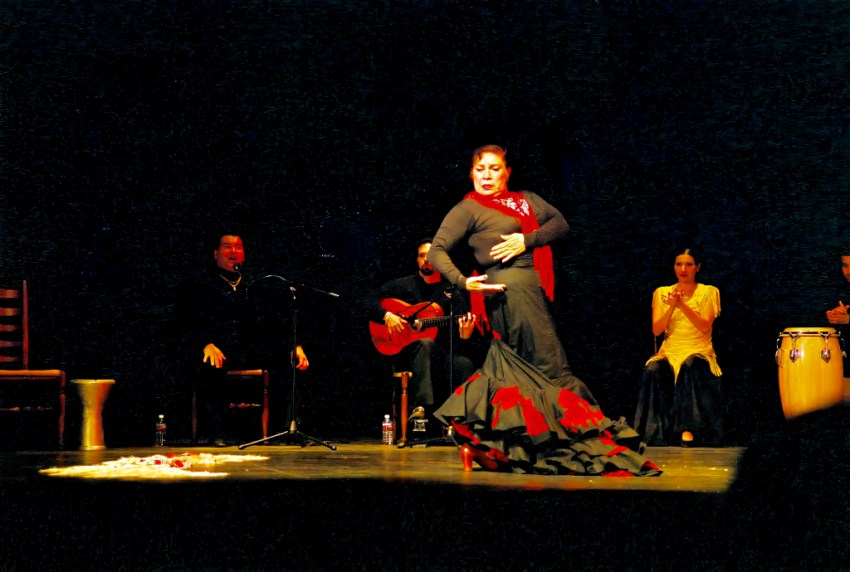
She instilled in us that flamenco was more than performance — it was a celebration of life, community, and heritage, and that to dance was to become a steward of an ancient tradition. Sitting on her cajón, she would trace its journey through India, the Middle East, North Africa, and Spain. She explained how forms evolved, how cultures blended, and how flamenco, like all of us, was a tapestry of many histories. For awkward teenagers searching for our own connection to our roots, those lessons felt magical.
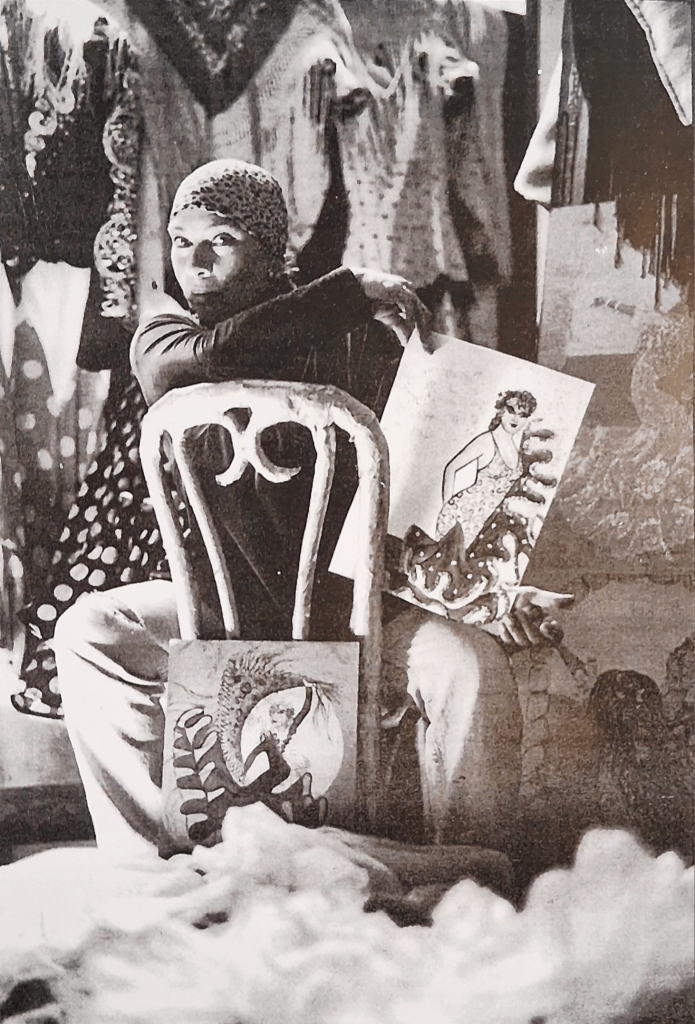
Anna was a true artist. Her personal spaces overflowed with fluffy, colorful dresses, polka dots, live plants, paints, and a whole rainbow of pens. She painted massive, emotional canvases that burst with energy. Onstage, we saw her colorful paintings come to life.
She had the biggest, most beautiful laugh and loved being silly. At the end of class, she would hastily draw that day’s choreography in cartoons, often featuring her old cat, Beef Stew, standing in third position beside giant “Flat, Heel, Heel, Flat” reminders. Well into our adult lives, she would often talk to us in baby talk, puckering her lips and batting her eyelashes in coquettish mischief.
Like flamenco itself, Anna was layered and complicated. She was fiery and sometimes harsh. She — and her methods — weren’t for everyone. But she loved so intensely, protected so fiercely, lived so fully, and survived so much that the strength of her being was impossible to ignore. As we reflect on her spirit this Fiesta, we are reminded to show up as our authentic selves. Embrace your edge and remember that you are part of something greater.
Viva la Fiesta — a simple phrase that means even more to her community today. Long live the party, dear Anna. We miss you and love you deeply.


You must be logged in to post a comment.