

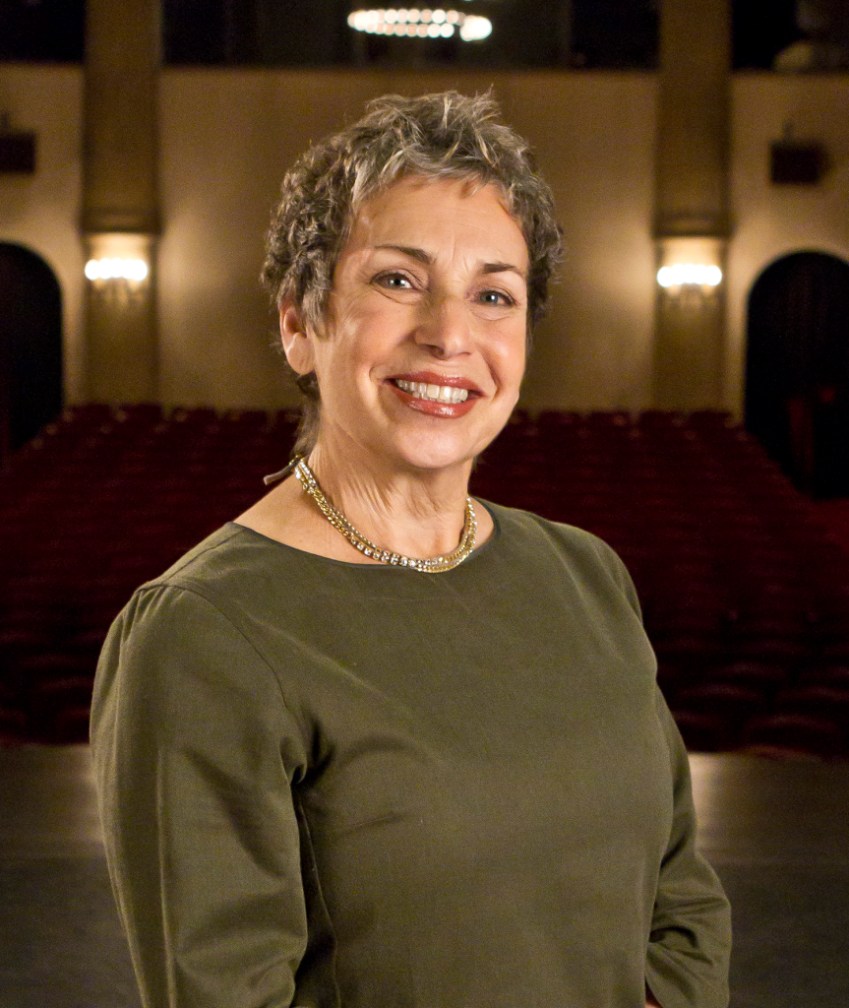
In the summer of ’97, a small crowd gathered inside Santa Barbara’s Earthling Bookshop, peering over cappuccinos to catch a glimpse of New York choreographer Doug Varone and his company of dancers. They clapped in delight as the artists shimmied their torsos around café tables and bookshelves before pirouetting onto State Street. Varone chatted up the audience, calling out for passersby to join his motley procession down to the Lobero Theatre.
It was the spontaneous opening ceremony of a new festival in town called SUMMERDANCE, the brainchild of East Coast transplant Dianne Vapnek. Varone would be leading the charge for a week of master classes and performances; further north on the UCSB campus, SUMMERDANCE’s Artistic Director Jerry Pearson was busying himself with preparations over the lectures and open rehearsals.
“Early [January], I received a phone call out of the blue from a woman named Dianne Vapnek,” he recalled, “who told me that she wanted to start a dance festival in Santa Barbara. She had grown up around Jacob’s Pillow, and it was her dream to build a similar opportunity for dance artists; but unlike the Pillow, one that centered around creating more than performance.”
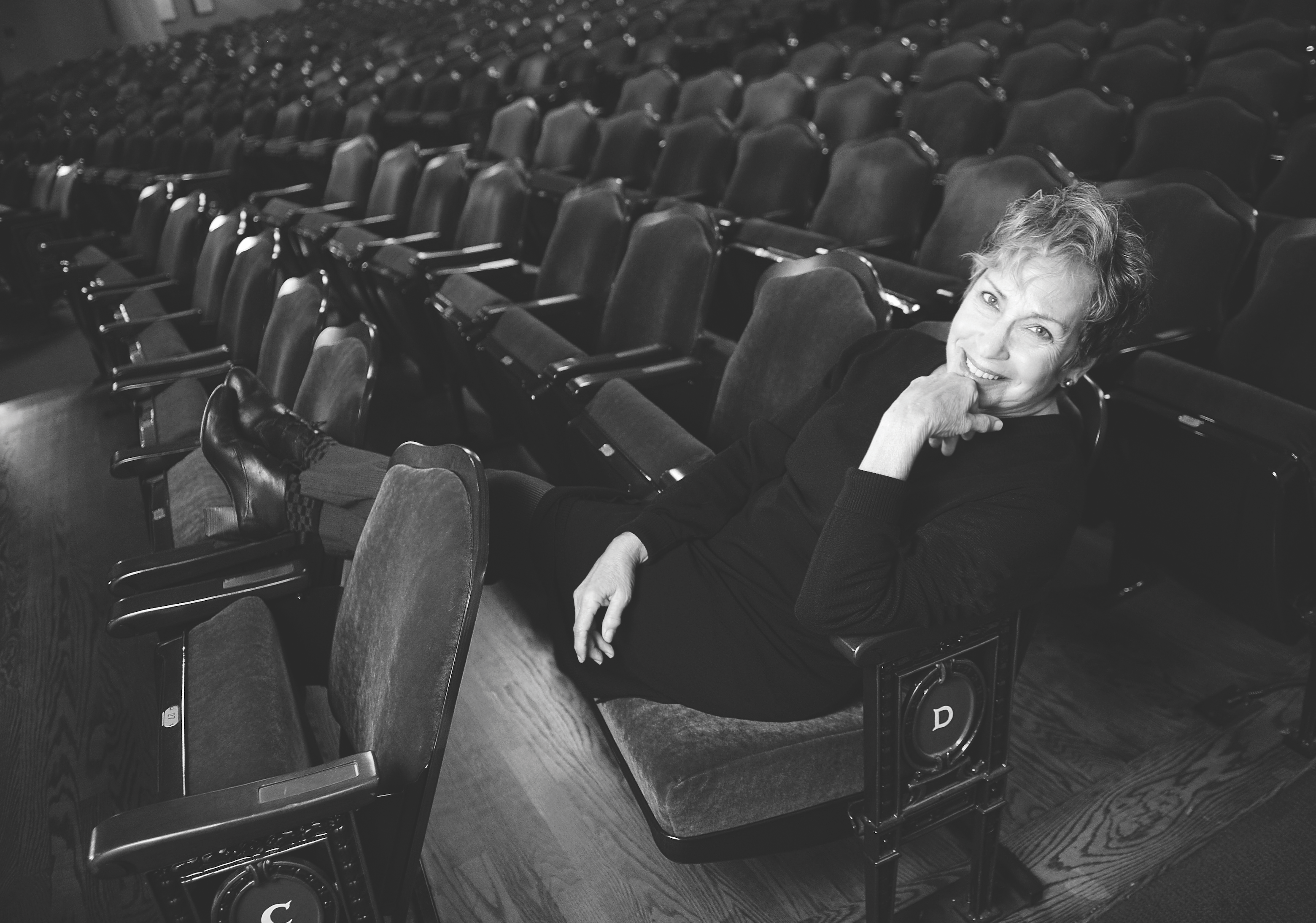
I had just moved to Santa Barbara, and the grip of trepidation over a new hometown loosened when I wandered into the bookstore that morning. An accidental witness to the debut of a new arts fest? I could hardly believe my good fortune. Abandoning my search for a summer read, I followed Vapnek downtown and straight into her playful world. Her Cheshire Cat smile hinted at all the mischief to come.
Over the years, Vapnek’s catalog of productions — from SUMMERDANCE to DANCEworks and the intimate dance salons held in her living room on Garden Street — began to reveal a grander purpose. Her gift to each choreographer (time and trust) was also an invitation for mainstream audiences to sit still in the shadows of conceptual art. By asking nothing of the choreographer and everything of the viewer, she was releasing all parties from the burden of expectation, daring them instead to consider process over output.
“Dianne was steadfast in her belief that artists deserved the right conditions in which to do their bravest work,” remembered Sheila Caldwell, DANCEworks liaison. “She provided a platform for creation, an audience for the premiere, and the resources to carry new pieces forward.”
“She was an incredible person, with endless warmth, generosity, and unrivaled enthusiasm for supporting dance and the creative process. Dianne facilitated what is for me the happiest creative time in my life,” said Adam Barruch, resident choreographer for DANCEworks 2015.
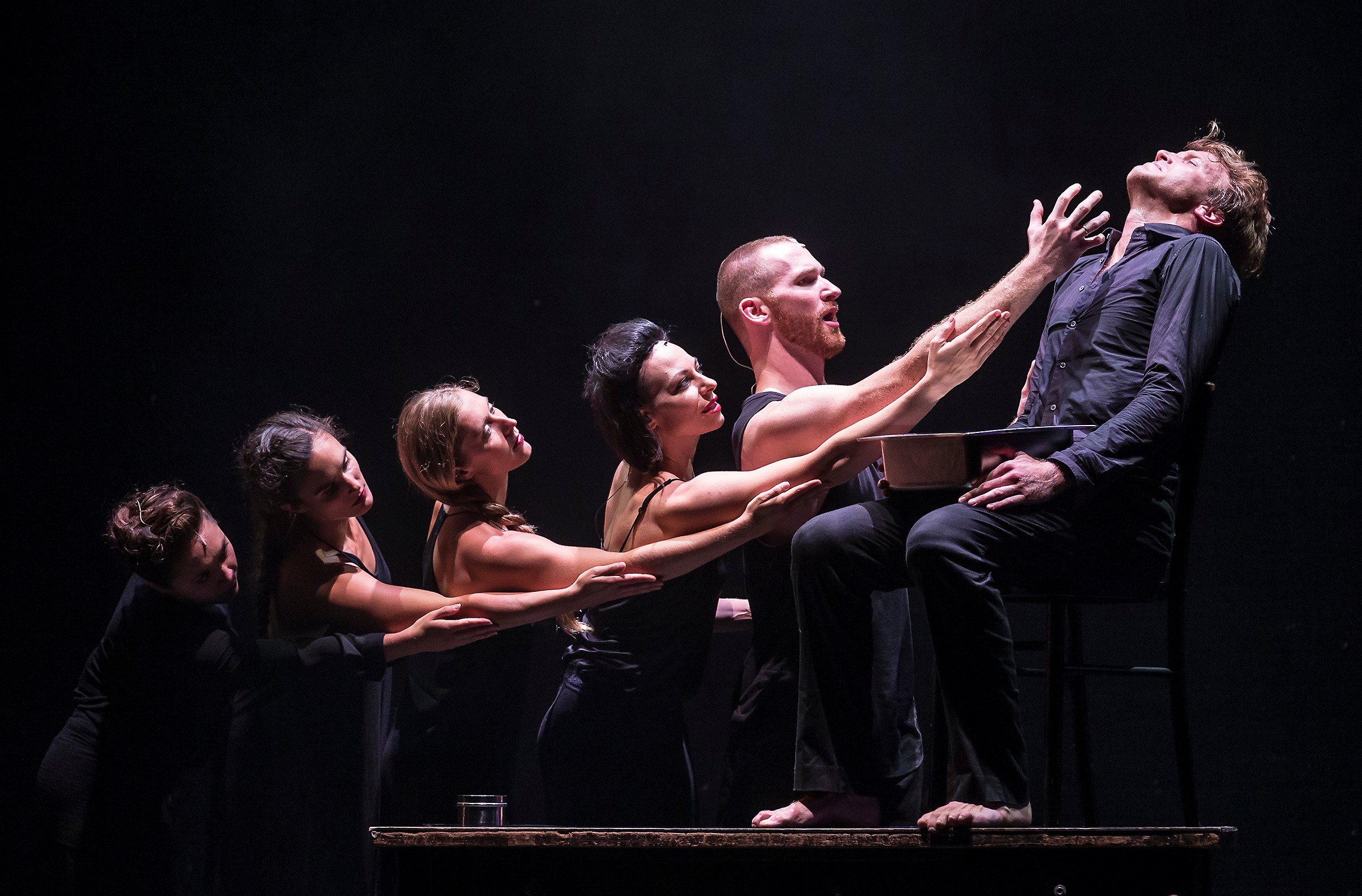
When the Santa Barbara dance community received word of Vapnek’s passing in late June, tributes to her mentorship and impact soon followed. The city had long earned a reputation for cultivating dance luminaries — Martha Graham, Alonzo King, Christina Sanchez, and Timo Nuñez among them — and for many, losing Vapnek symbolized a major setback in dance advocacy created by and benefitting the Central Coast.
“Dianne treated dance as a community-building force; a vital, living art,” said dance instructor and DANCEworks supporter Susan Alexander.
“She brought the very best of dance to Santa Barbara and shared it with everyone,” said dance filmmaker Robin Bisio.
Vapnek had spent more than three decades in Santa Barbara championing the vanguard, reaching across disciplines and coasts to bring thought-provoking work to those who might never experience it otherwise. Throughout her career, stardust seemed to trail behind every new project, every new artist she embraced.
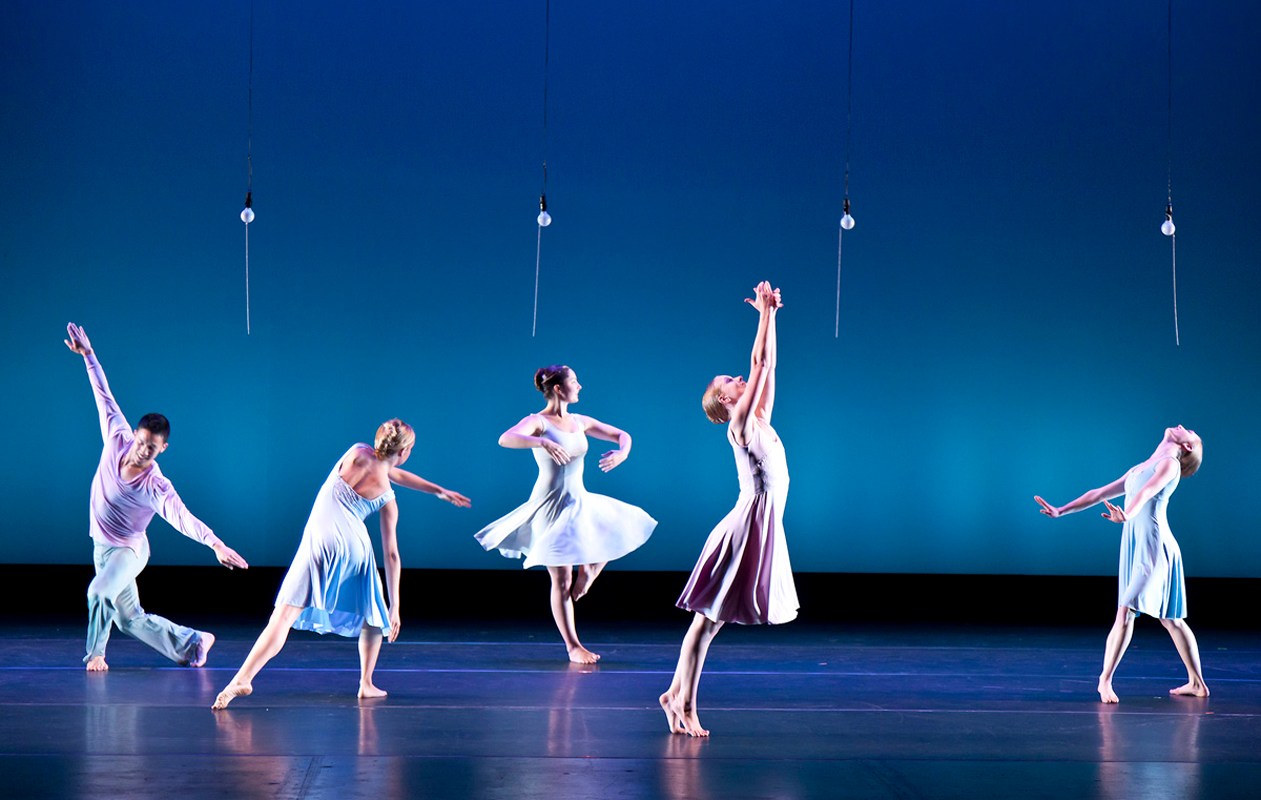
Off and Running
In the early hours of a particularly warm Saturday, a line forms in front of D’Angelo Bakery as dancers shuffle into the Diane Knowles Academy of Dance. Sinking onto the floor of the tiny studio, I press my back against the cool wood and wait for the Doug Varone dancers to arrive. Laurie Burnaby, SUMMERDANCE’s cofounder and managing director, sits down next to me and asks about my festival experience so far. She is warm and attentive, instantly making me feel at ease in a room full of strangers. Over the next nine festivals and every time I run into her around town, memories of this day will resurface.
Dianne Vapnek had never run a festival before, and she had never owned a dance studio nor launched a nonprofit, for that matter. What she did have a preternatural talent for, however, was collaboration. Pearson was overseeing all of the university programming; Burnaby was running a smooth-as-molasses operation downtown. SUMMERDANCE, once intended as a weeklong experiment with a single resident artist, had over the years mushroomed into a three-week, multi-company production. Vapnek needed help — and space.
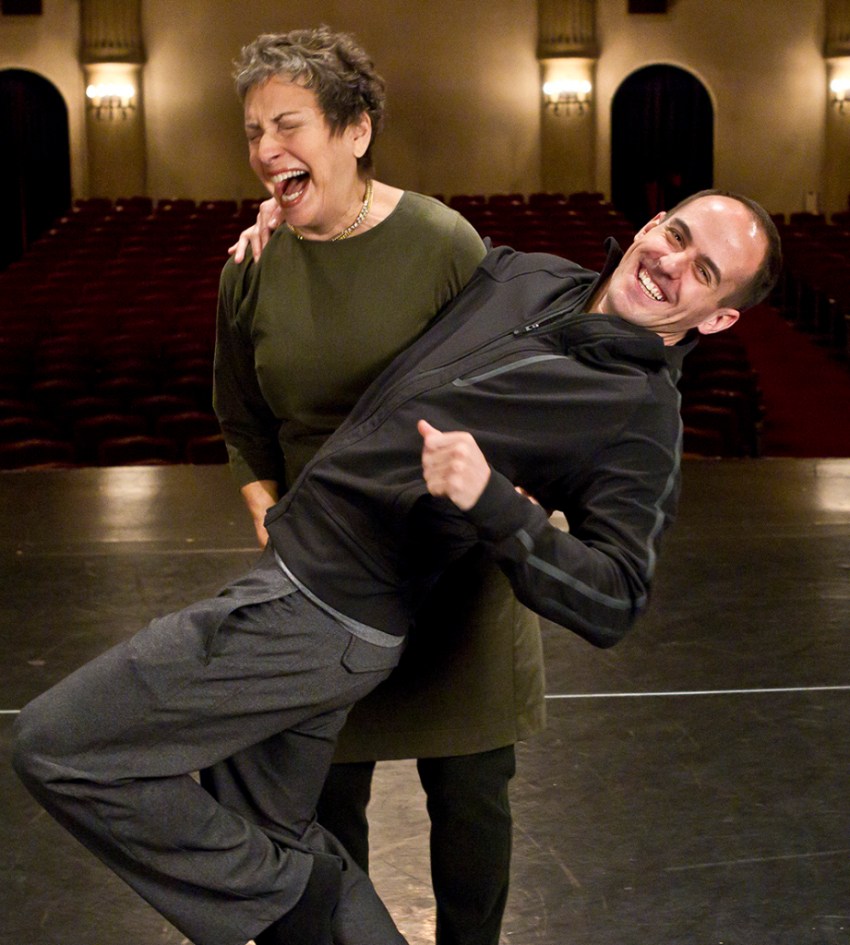
“She was off and running,” remembered Varone, “very often, she would admit, without any knowledge of how and what to do. It was this beautiful innocence and passion for dance that was so endearing about Dianne in the early years. But she was a fast learner and turned SUMMERDANCE and then later, DANCEworks into a vibrant and cherished destination for many artists to follow.”
Meeting the moment, Santa Barbara Museum of Art opened its galleries to Vapnek for lecture-demonstrations. In the Presidio neighborhood, the Lobero Theatre signed on for evening-length works. Nestled above the downtown landscape, Center Stage Theatre screened dance films and documentaries. Not to be overlooked, Montecito’s Music Academy of the West hosted lively “informances.” And then the festival kept on expanding.
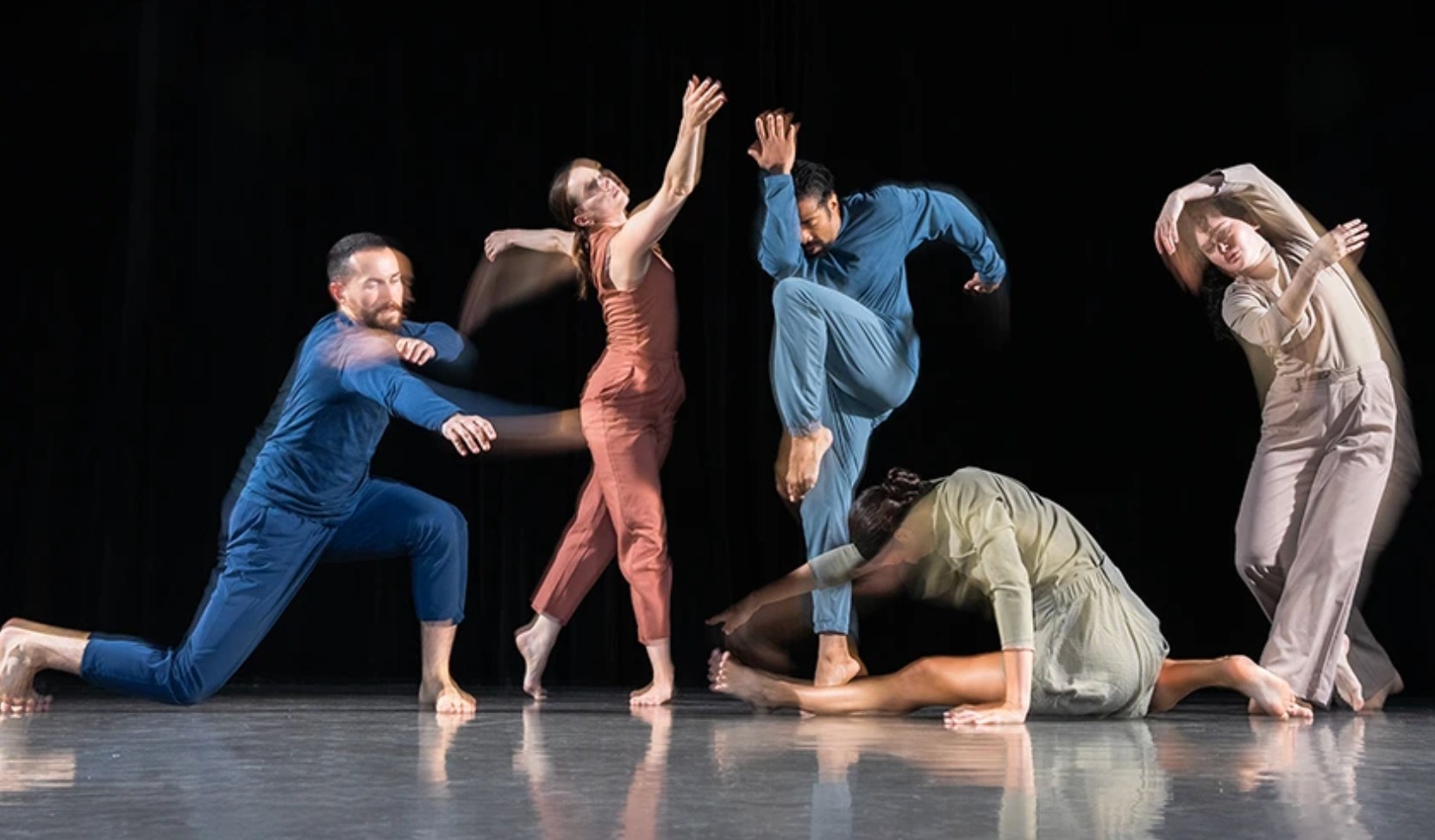
There was krumping at the Carrillo Recreation Center, salsa under the stars at Casa de la Guerra, and dance jams at Chase Palm Park. Between talk backs and master classes, SUMMERDANCE’s dazzling roster of choreographers worked on collaborative pieces with area artists: Robert Battle and State Street Ballet; Doug Elkins and Santa Barbara’s hip-hop collective; Brian Brooks with the city’s youth dancers.
Some of the programming was free, most of it intentionally affordable. Santa Barbara was still enjoying restraint back then: The median-income level hovered around the $35,000-a-year mark, and egalitarianism was trending. When Mikhail Baryshnikov hit the stage for SUMMERDANCE’s final performance in 2006, and a ribbon of dance enthusiasts formed around the Lobero Theatre the width of Canon Perdido Street, Vapnek could have easily charged a premium for a chance to see the legendary dancer. The price of an entry ticket? $50. Choreographer Aszure Barton — who was performing with Baryshnikov at the time — remembered that moment fondly: “She was just so flipping cool: unpretentious, honest, she kept it real, whether you were in her kitchen or in the theater.”
Building Community
No sooner had Vapnek closed the chapter on SUMMERDANCE did she begin considering a new residency model, one that granted choreographers uninterrupted time in the theater for the development of new work. She approached David Asbell — then executive director of the Lobero — who needed no convincing. “Are you kidding me,” he laughed. “Isn’t that why we’re in this business, to get the chance to make a real impact in the community and actually be involved in the creation of something new?”
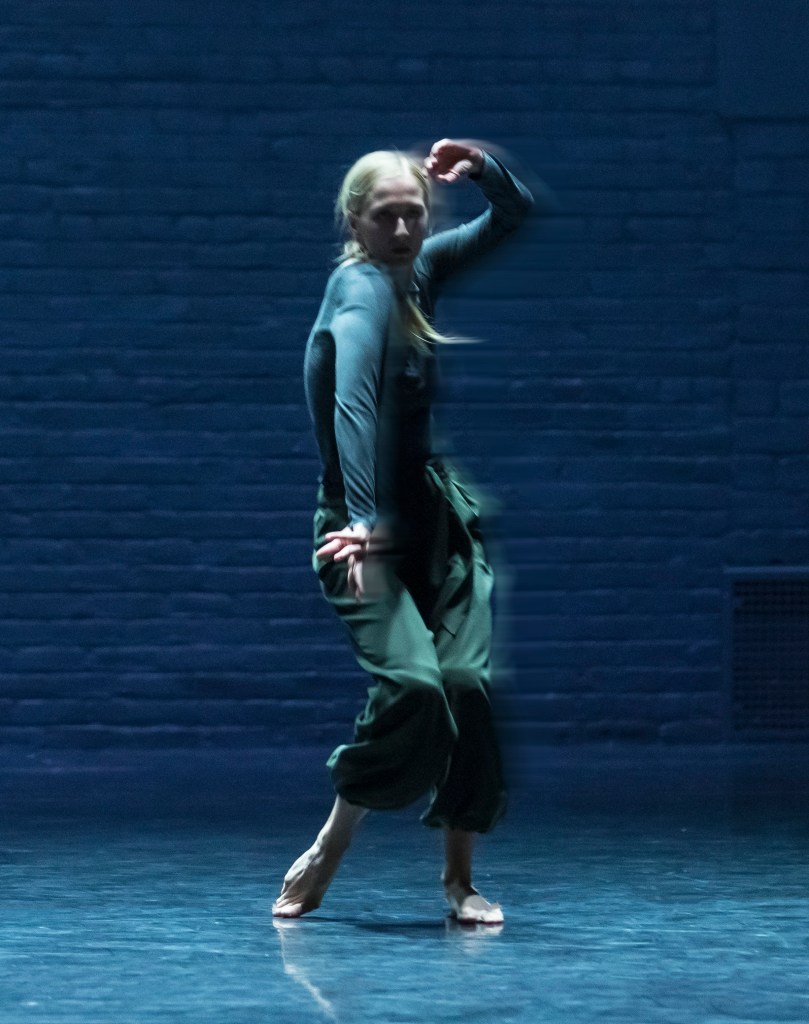
DANCEworks launched in 2009 with a streamlined focus: One choreographer, four-weeks, carte blanche, and public engagement. Sheila Caldwell recalled the thrill of putting it all into practice: “This was more than a performance series,” she explained. “Each residency had its own rhythm and unfolding story. Choreographers and dancers arrived at the Lobero with ideas, questions, and ambitions, often uncertain of where the work would lead. Over the course of a month, those fragments grew into stage-ready pieces.”
Community engagement took on various forms, with Vapnek oftentimes opening up her home for informal artist exchanges or curated dance salons. When she rolled out a weekly, works-in-progress meet-up called Friday Club, the Lobero quickly became the hottest happy hour spot in town. “It was such a fabulous opportunity to engage the audience,” recalled Susan Alexander. “To watch the creation of these works as they developed, to listen to the choreographers and dancers in the Q&A sessions, and then to see the final product in performance.”
Some of the DANCEworks choreographers explored connection even further, recruiting area talent to create pieces reflecting time and place. Caldwell laughed at the memory of having to source dozens of combat boots and securing permission slips for a politically charged piece during Mark Dendy’s unforgettable residency in 2014.
“Lots of producers would’ve said no because it’s a headache to organize,” said Dendy. “It requires different rehearsals and different places. It requires scheduling, parental permission, and all kinds of things. Dianne just got that twinkle in her eyes and asked, ‘How can I help?’ That was always her question. What a wonderful place the world would be if everybody asked that question more often.”

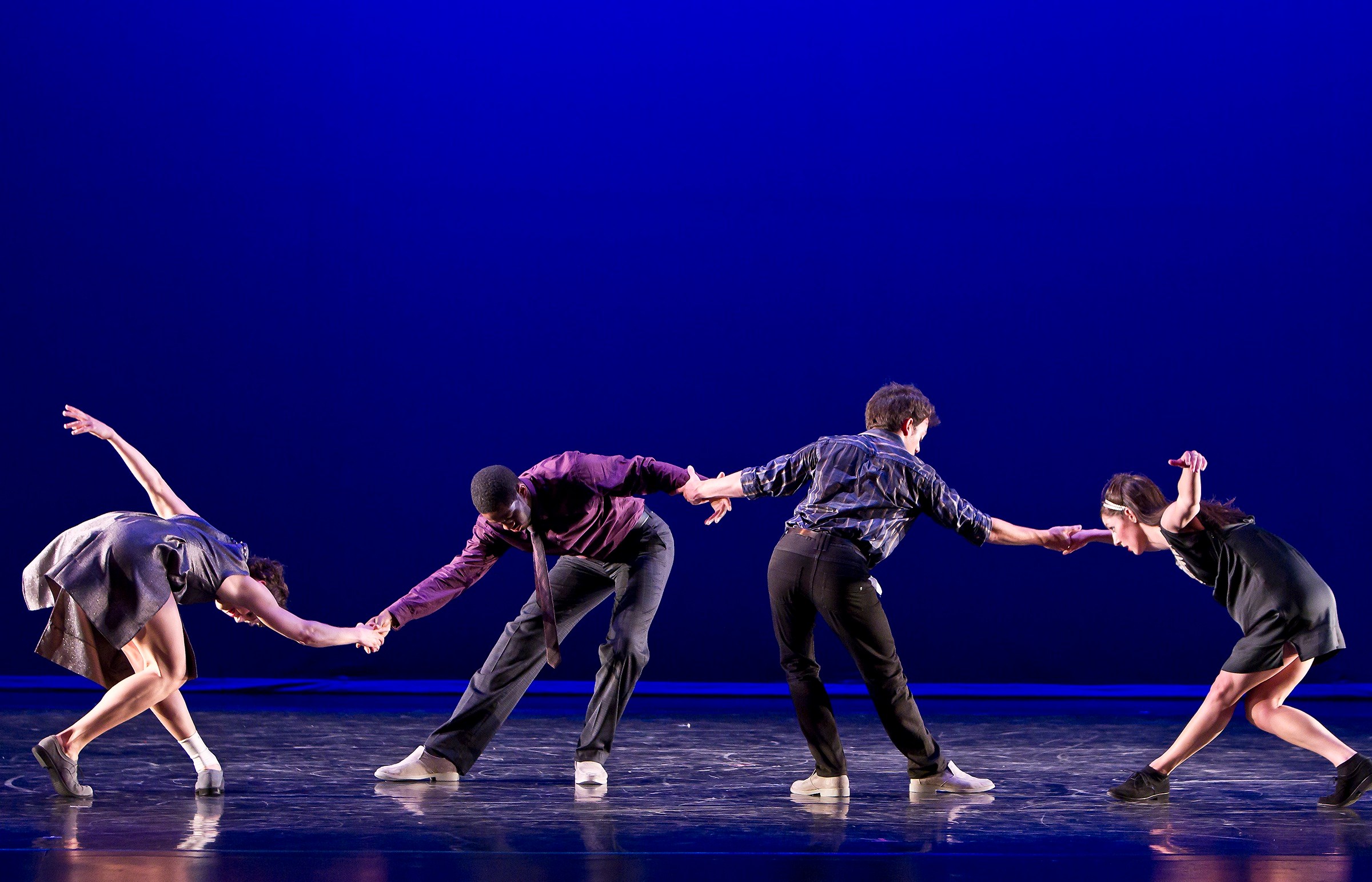
Another memorable exchange came in 2010, when choreographer Larry Keigwin descended on the city with a beach towel in hand to roll out Bolero, a city-specific piece celebrating the American Riviera lifestyle and weaving dozens of Santa Barbara residents into a tableau of color and delight.
“I felt so vulnerable opening the show in a bathing suit on stage,” remembered Kate McMahon, a Bolero cast member. “But I knew I wanted to be a part of the magic that Dianne was creating. She was so open and exuberant, always looking to share her excitement for dance — the kind of dance that was electrifying, awe inspiring, and edge-of-your-seat exciting. By involving the community, Dianne brought a totally unique way to experience dance in Santa Barbara. Oh, the finale with the beach balls and everyone on stage was my favorite part. So much fun and joy!”
An Enduring Legacy
It has been eight years since DANCEworks took its final bow, ending in much the same way that Vapnek’s dance experiment began over two decades earlier: Varone on the Lobero stage, squeezing the juices of inspiration dry until his art lay bare in a pulsating and literal heap of heaving bodies and fully expired emotion. Ask him, or any of the choreographers, how their time with Vapnek and in Santa Barbara impacted their work and lives, and the praise spills out with immediate enthusiasm.
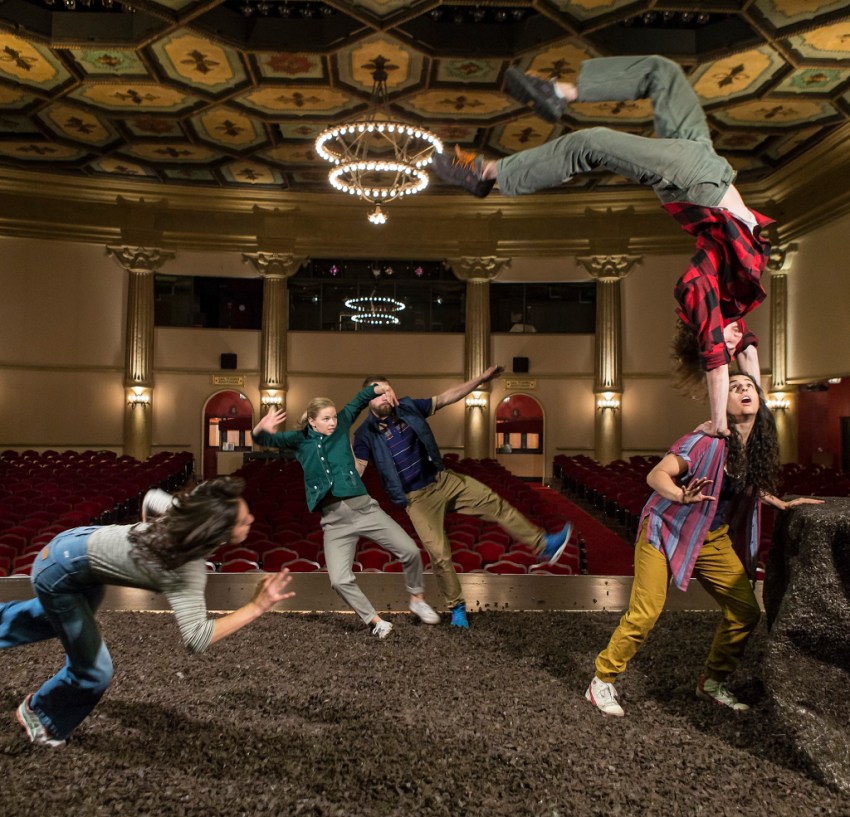
“I’ve never met another curator/presenter like Dianne,” said DANCEworks 2017 choreographer Kate Weare. “She was a humanist first; a woman who saw and cared for the people in the art. She didn’t feel like a producer, she felt like a friend.”
Shannon Gillen, DANCEworks 2016 choreographer, remembered her experience vividly. “Dianne, the California landscape, the velvety interior of the Lobero, and the combustion of creative forces came together in this constellation of experience, this inexplicable opening of possibility for which I am truly changed and grateful. May dance and dance theater continue to be an elemental facet of the Santa Barbara cultural scene; in her honor and for all movement creatives striving to connect and test the limits.”
On that final evening in 2018, when Varone’s performance gave way to a raucous party on the Lobero stage, the lifeforce of all that Vapnek had created hung in the air for a moment before bouncing off the proscenium and onto the dance floor. The deejay put on an ABBA song, and the first familiar lyrics filled the theater: “Ooh-ooh, you can dance, you can jive, having the time of your life.” I scanned the party to see where Vapnek might be and spotted her holding court in the center of the dance floor, her head thrown back in laughter as she twirled in the glow of accomplishment; the dancing queen indeed.


You must be logged in to post a comment.