

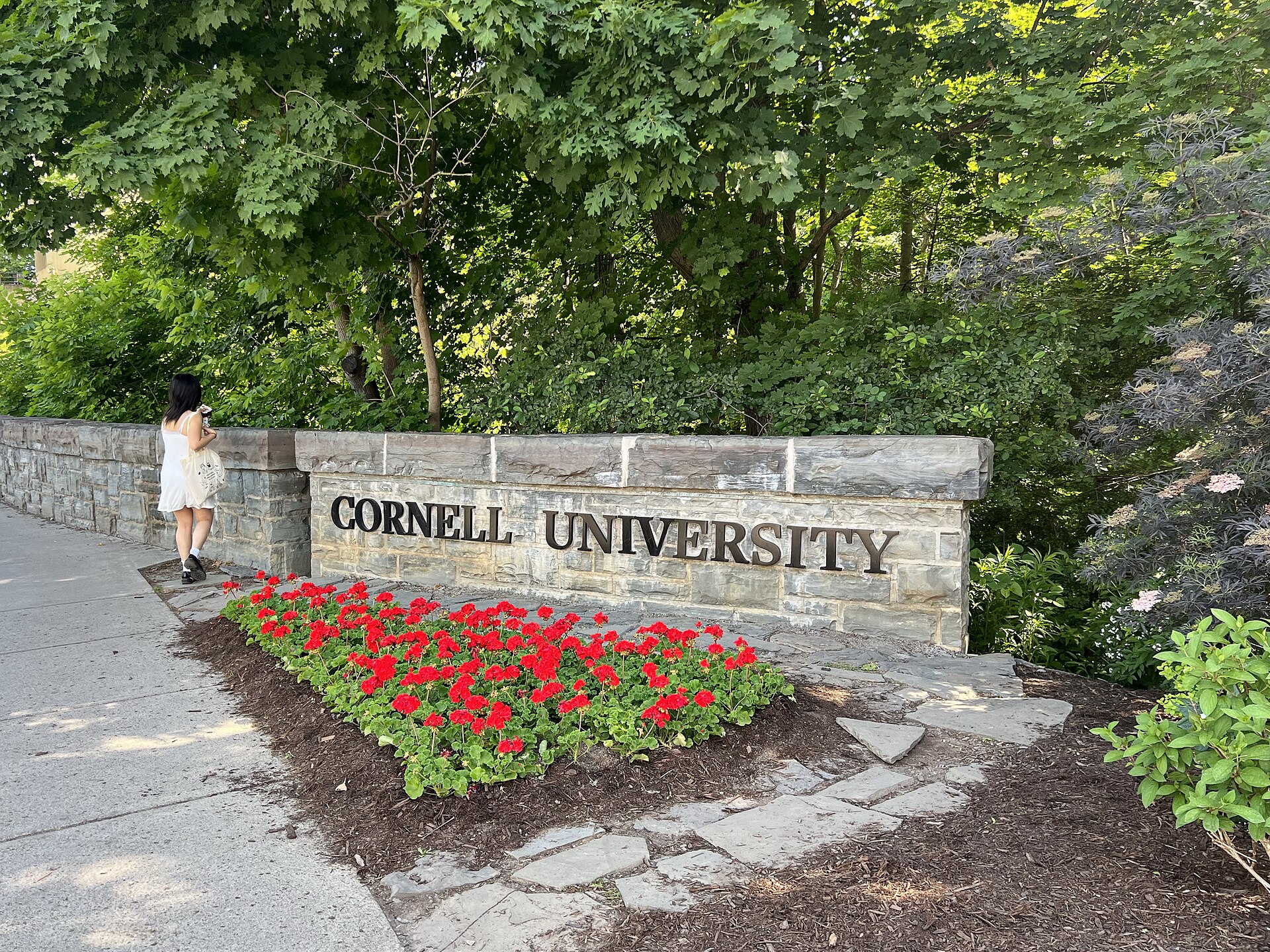
From Ithaca, New York, to Santa Barbara, California, and everywhere in between, we are experiencing collective anguish and grief following the news of egregious sexual violence at Cornell University.
Members of a fraternity, dubbed the Cornell Seven, are reported to have committed an hours-long group assault against a young woman who did not have the capacity to consent or protect herself.
What followed was silence. Despite the survivor going to the university police department, criminal charges were never brought. The university swept the harm and risk to students under the rug, discreetly disciplining the offending students before welcoming some of them back. Sadly, this is far from the first time that a respected institution of higher education has reacted this way to issues of sexual violence.
Nearly 10 years ago, the viral #MeToo post shook the world, breaking the silence on the harm of sexual violence and empowering survivors and their allies to come forward. Undeniable action has taken place since the advent of the Me Too movement. Predators like Harvey Weinstein have been held accountable in court. Laws have changed to set a standard of affirmative consent, extend statutes of limitations for crimes of sexual violence, and bring oversight and accountability to the response systems at colleges, universities, and public-serving institutions.
There has also been a change in how people, young and old, are educated about issues of sexual violence. Clearly, much more education is needed.
The perpetrators in this case were young boys when the Me Too movement took off. Clearly, they knew better. Somehow, they felt empowered to act in the ways they did. This is heartbreaking and outrageous.
As a lifelong educator, I firmly believe that when we know better, we do better. That is what is so maddening about this situation. We all know that this has happened, yet, in addition to the personal failings of those who commit sexual violence, many of our institutions continue to fall short of their ethical and moral obligations to prevent and respond to it. This is a systemic issue and a societal issue.
Our community has been profoundly impacted by these issues as well.
Isla Vista, home to UC Santa Barbara and Santa Barbara City College students, has historically experienced significant sexual and gender-based violence. Reports have come forward on our campuses year after year about issues of sexual violence and harassment. Every student or campus community member impacted by sexual violence is one too many.
We have seen some positive system changes, for instance at Santa Barbara City College. SBCC has significantly overhauled its Title IX investigation process in an effort to ensure that survivors are heard and that the resources are there to thoroughly investigate and address incidents of sexual violence. Additionally, in 2020 the college passed a policy making clear that employees may not have sexual relationships with students.
Still, women and men who have been touched by sexual violence, at all of our colleges and universities are asking themselves: Will I be heard if I come forward? Are my friends and I safe here? Does my school take these issues seriously?
Now is a moment for all of our colleges and universities to answer those questions with a resounding yes, not through words, but through action and change.
As a candidate for the Santa Barbara City College Board of Trustees, I feel compelled to speak up on this issue.
The buck stops with the Board of Trustees. The board is responsible for setting the policies of the college, allocating the college’s resources, and making decisions about legal risks and lawsuits, personnel matters, and student safety issues.
One of the reasons I am running for the Board of Trustees is to be a trusted representative whom our students, staff, and faculty can count on to fairly and compassionately promote student safety, well-being, and equity.
Moreover, I am running to make sure that the voices of women are heard on the board. This election will decide whether only two of the seven trustees are women or three of the seven are women. Gender diversity is important for the body that sits at the helm of the college, especially in light of the continuing crisis of sexual violence in higher education.
I am just one candidate running for one seat on my local community college board, but all of us have an opportunity to figure out the role that we have to play in confronting sexual violence and the systems that allow it to continue at alarming rates.
Let’s work together to create a future in which sexual violence is an extremely rare occurrence in our society, and one that is swiftly and decisively responded to. A future in which our young people are taught to understand their responsibilities in preventing sexual violence, along with older folks in need of re-education, and in which all people know that they will be believed and supported if they come forward for help.
Andrea (Andi) Varon is a retired educator who taught for more than four decades before finishing her career as a vice principal. She lives on the Mesa and is a candidate for SBCC Trustee, Area 7: andi4sbcc.com

