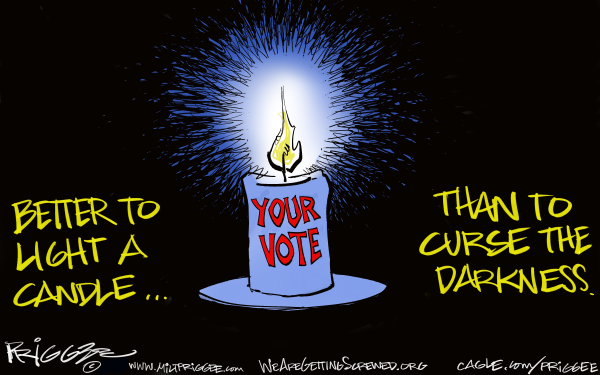
Voting is one of the few civic acts that asks the same thing of nearly everyone: Make a choice, accept that others may choose differently, and help shape what comes next. In Santa Barbara County, that responsibility reaches from densely populated neighborhoods to small coastal and inland communities. Our ballots influence schools, public safety, housing, transportation, water, public health, and the stewardship of the landscapes that define this place. In the last primary election, according to SBCVote.org , only 111,710 people voted out of 250,289 registered voters. That is only 44.63 percent. That for me is inconceivable given that our ballots are delivered to our mailboxes.
Yet a healthy election is not measured only by who wins. It is also measured by whether eligible voters can participate, whether reliable information is easy to find, and whether the public trusts that every lawful ballot is handled fairly. Those goals should unite us across party lines.
We should make voting understandable and accessible without turning basic election administration into a partisan contest. Clear instructions, language assistance, accommodations for voters with disabilities, dependable vote centers, and transparent explanations of how ballots are processed all strengthen confidence. So does sustained civic education — not only in election season, but throughout the year.
Voters have responsibilities, too. We should read beyond slogans, compare claims with original sources, and distinguish reporting from commentary. Local races and measures deserve special attention because they often receive less coverage even as their effects are felt close to home. A few minutes spent reviewing candidate statements, fiscal analyses, and arguments on both sides can produce a more considered vote.
Santa Barbara County is politically and geographically diverse. That is not a defect to be corrected, it is a democratic reality to be respected. Neighbors may share concerns about affordability, safety, opportunity, or the environment while disagreeing sharply about solutions. Public debate improves when we challenge ideas precisely, avoid assigning motives casually, and reject intimidation from any quarter.
Before the next election, each of us can take three simple steps: Confirm our registration and voting plan, learn what is on the entire ballot, and help someone else find trustworthy election information. Community groups, schools, employers, and local media can reinforce that work by sharing practical, nonpartisan guidance. No single election resolves every challenge facing Santa Barbara County. But every election gives residents another chance to state their priorities and hold public institutions accountable. Participation is not an endorsement of everything in our political system; it is a decision to have a voice in improving it.
Vote thoughtfully. Respect the process. Stay engaged after Election Day. That is how a community turns individual ballots into lasting civic strength, especially in these dark times.