
Rooted in Santa Barbara
From Coast Live Oaks to Buckwheat, Native Plants Are Key to
Conserving Resources, Supporting Wildlife, and
Creating Resilient Gardens
By Tiana Molony | September 11, 2025
Find more Fall 2025 Home & Garden stories here.
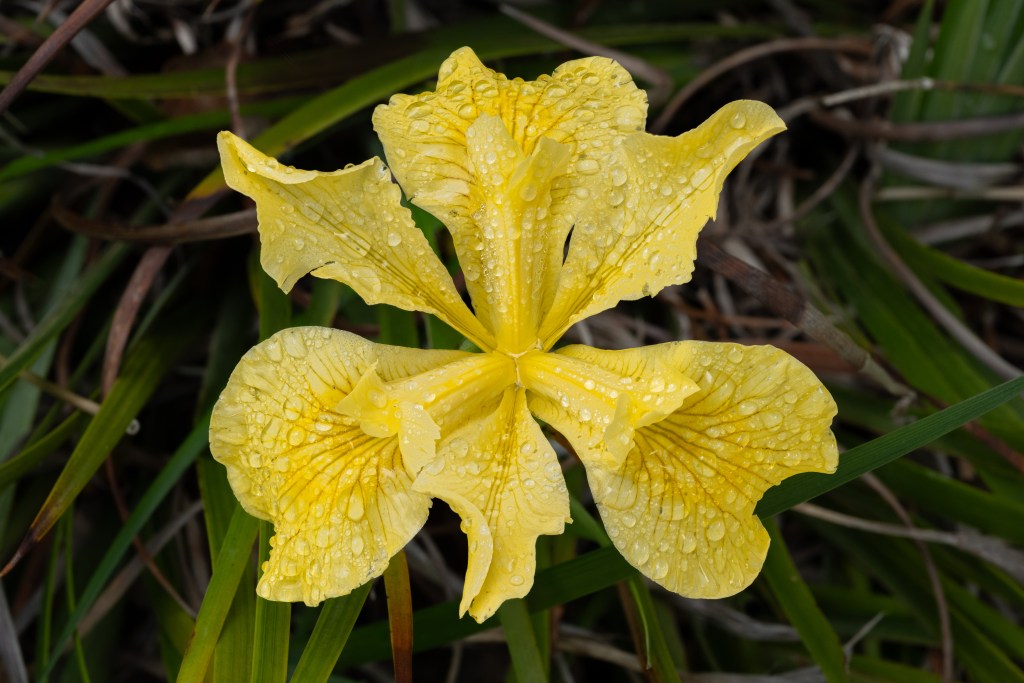
If you’ve spent time on one of Santa Barbara’s hiking trails or wandered through the botanic garden, then you’ve more than likely encountered our region’s native plants — ones that have evolved over thousands of years in a specific area, making them uniquely adapted to the local climate, soil, and ecosystem.
“What was native in what’s now California, 13 million years ago, looked very different from what is currently native in California,” shared Scot Pipkin, Santa Barbara Botanic Garden’s Director of Education and Engagement.
Just as we make our homes here in Santa Barbara, so too do the plants and wildlife, many of which have been here long before us. As Botanic Garden Horticulture Educator Alejandro Lemus puts it, “The plants are quite literally at home.” All the more reason to protect them.
Why You Should Incorporate Native Plants
As it turns out, one of the most effective ways to protect the natural order of our ecosystem is to plant native species. “If you really want to do something, do that in your yard,” says Pipkin, who shared that private yards and community spaces are now a key frontier for ecological conservation, making your planting choices especially impactful.
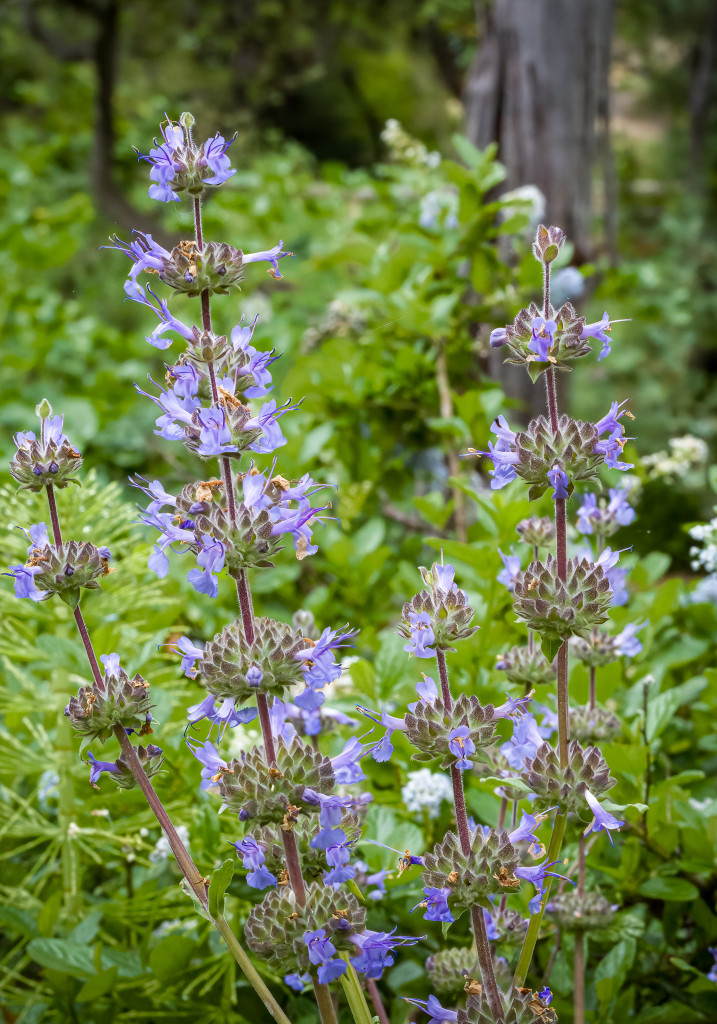
According to Pipkin and Lemus, our natives play a vital role in Santa Barbara because they are adapted to the local environment, require less water and maintenance, and help conserve resources. They also support local wildlife and pollinators, promote biodiversity, and maintain healthy ecosystems by providing food and habitat for native insects, birds, and other animals.
By planting natives in your yard, they say, you contribute to the health of the broader ecosystem, help connect natural habitats, and support species that rely on native plants for food and shelter.
Getting Started
If you want to start planting natives, Pipkin and Lemus suggest that you begin by visiting local gardens, natural parks, or trails to observe native plants in their natural habitats and gather inspiration.
Taking classes or workshops — such as those offered by the botanic garden — can provide valuable guidance on plant selection, installation, irrigation, pruning, and maintenance, whether you’re a beginner or a professional.
It’s also essential to evaluate your own yard’s conditions, including sun exposure, shade, and soil type, so that you can select the most suitable native plants for your specific site. Finally, local nurseries are excellent resources for finding a variety of native plants and getting expert advice tailored to your needs.
Stay Away from Invasive Species
While those blooming mustard flowers you see each spring are beautiful, they’re actually an invasive species, which means they’re harmful to our ecosystem.
Pipkin and Lemus emphasize the importance of avoiding invasive species when planting in your yard. “They reduce biodiversity over time because they just form a monoculture,” says Lemus. “So, it’s only one species that’s invading the wildlands, and oftentimes, we’re finding that invasive plants compete heavily with native plants for resources.”
Additionally, Lemus says that many invasive species, such as black mustard and pampas grass, dry out during the summer and become highly flammable, increasing the risk and severity of wildfires. By avoiding invasive species, you help protect native ecosystems, support local wildlife, and reduce fire hazards in your community.
Some Species to Plant
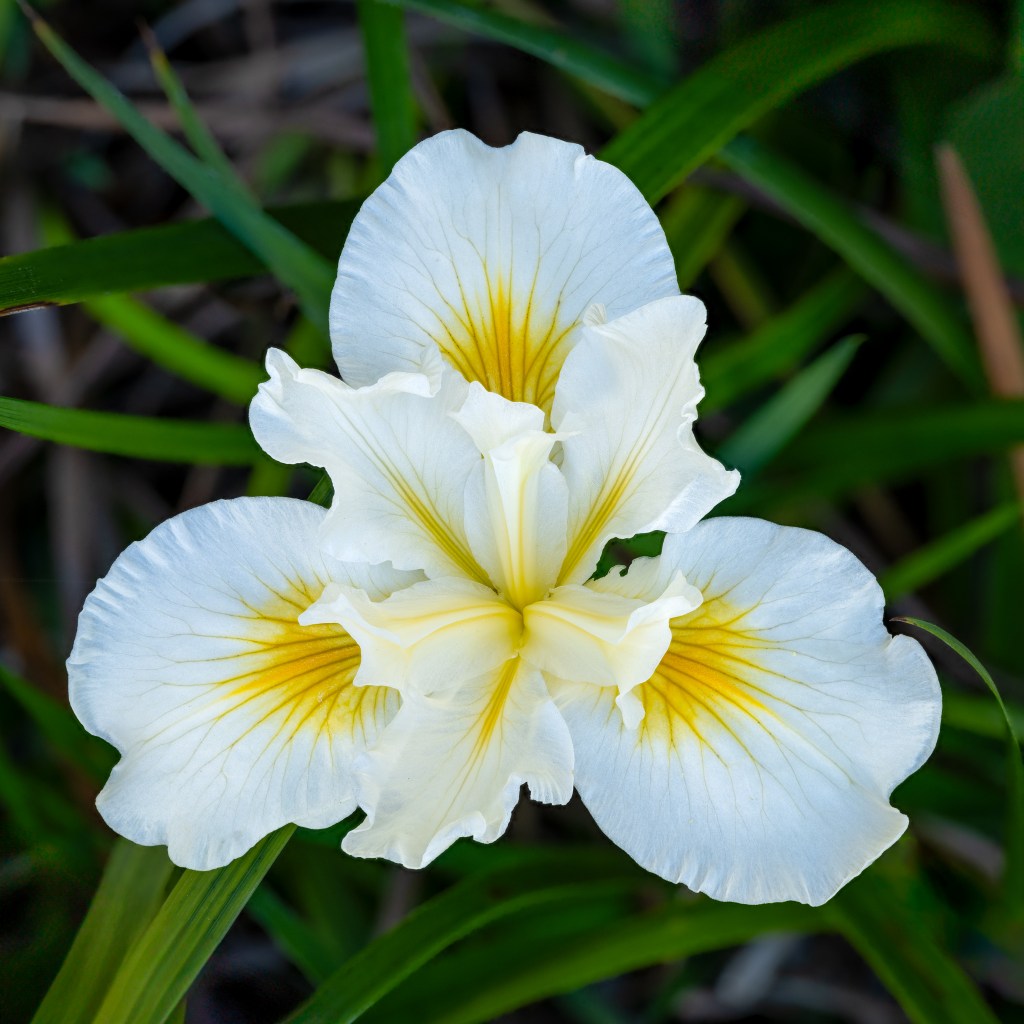
There is a wide variety of native species to plant, including, but not limited to, the coast live oak, a native oak well-suited to the region, as well as the hollyleaf cherry and the Catalina cherry, which are excellent choices, according to Pipkin. Buckwheat is also beneficial for pollinators due to its summer blooms and support for native insects.
“There is a native plant for every condition,” notes Pipkin, “but the key is that you understand your condition and choose your plant for the right place.”
To view upcoming workshops and classes offered by the Santa Barbara Botanic Garden, see sbbotanicgarden.org/calendar.





You must be logged in to post a comment.