

The Santa Barbara Zoo published more sad news this week, this time concerning its two capybaras. Visitors may have noticed that the popular pair of rodents have been recently off-habitat. On Monday, the zoo shared details on the capybaras’ health struggles.
On Friday, veterinarians euthanized Poppy, the zoo’s 8-year-old female capybara, after specialists discovered an “inoperable mass” in her throat, according to the zoo’s Instagram page.
“Poppy’s age was considered geriatric for a capybara, but her sudden decline in health and ultimate passing is no less painful a loss for our Zoo family and community,” the zoo said. The average lifespan for a capybara is typically 8–10 years.
The mass was making it difficult for Poppy to breathe or eat, the zoo said. When a staff member noticed Poppy was breathing irregularly, she underwent a series of exams and diagnostic scans, said Dr. Julie Barnes, vice president of animal care and health at the Santa Barbara Zoo.
“Sadly, the mass was extensive, severely obstructing her airway, and could not be surgically removed,” Barnes said. “Knowing there was no treatment that could give Poppy a meaningful chance of recovery, we made the heartbreaking decision to humanely euthanize her rather than allow her to suffer.”
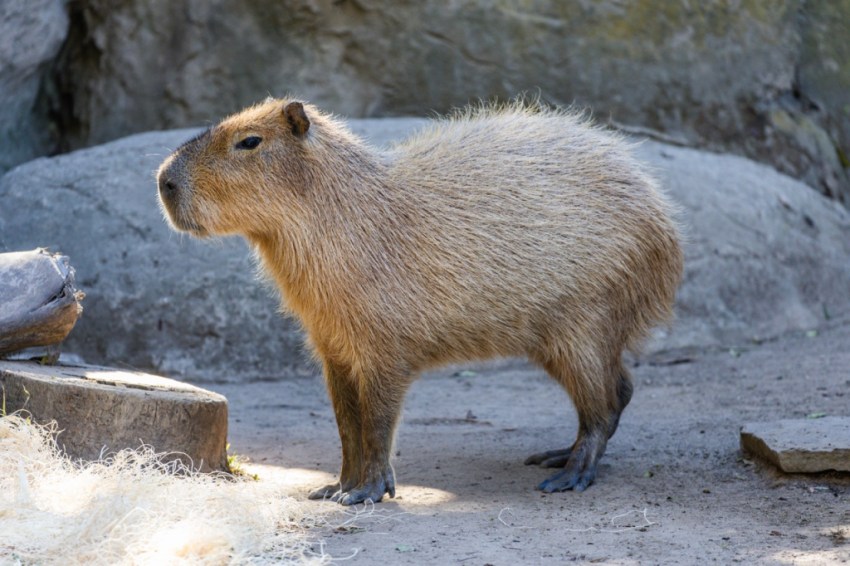
Additionally, Antonio, the zoo’s 4-year-old male capybara, has been off habitat for two months while facing his own battle with cancer. First, staff noticed Antonio seemed to be feeling unwell and was bleeding from his nose.
“Additional testing, including bone marrow biopsies, confirmed that Antonio has multiple myeloma, a rare type of blood cancer that originates in the plasma cells of the bone marrow,” the zoo said.
“Antonio is receiving state-of-the-art care in partnership with a veterinary oncology specialist and has begun chemotherapy in hopes of achieving remission,” it continued. “We have already seen some improvement since starting treatment with corticosteroids, and our team is closely monitoring his response, comfort, and quality of life.”
Antonio’s is the first known case of successfully diagnosed multiple myeloma in a living capybara at a zoo accredited by the Association of Zoos and Aquariums. His treatment could be an “opportunity to learn more about this rare disease in capybaras,” the zoo said.
“His prognosis remains guarded, but our veterinary and animal care teams are doing everything possible to give him the best care and chance for a meaningful recovery.”
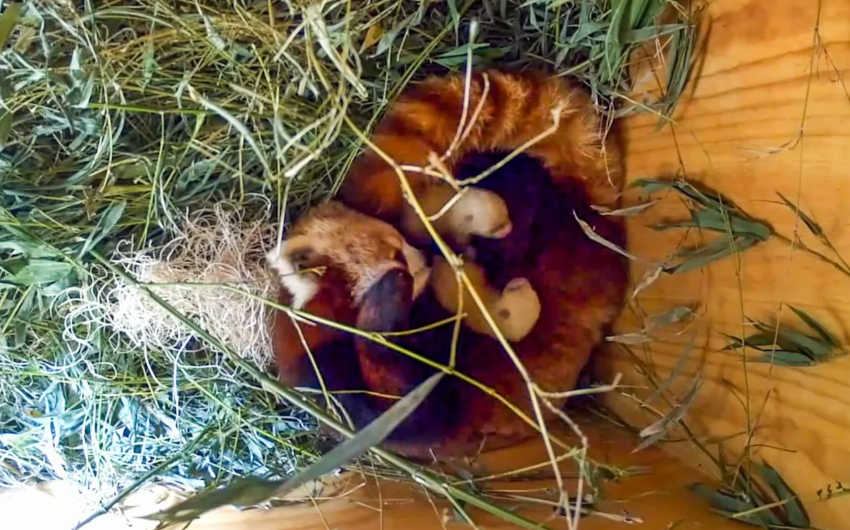
Poppy is the fourth animal to die at the zoo over the past two months. In July, the zoo mourned the deaths of its two newborn red panda cubs, which were followed by the death of their mother, Ruby, in August.
In the comments of Monday’s post, people shared fond memories of Antonio and Poppy, and expressed heartbreak and grief over the zoo’s several animal deaths in recent weeks. Many gave their condolences to the animals’ care teams.
“Thank you for sharing these heartbreaking stories,” wrote one. “It gives insight to the more challenging parts of animal care; it’s not all cuddles and fun.”








You must be logged in to post a comment.