

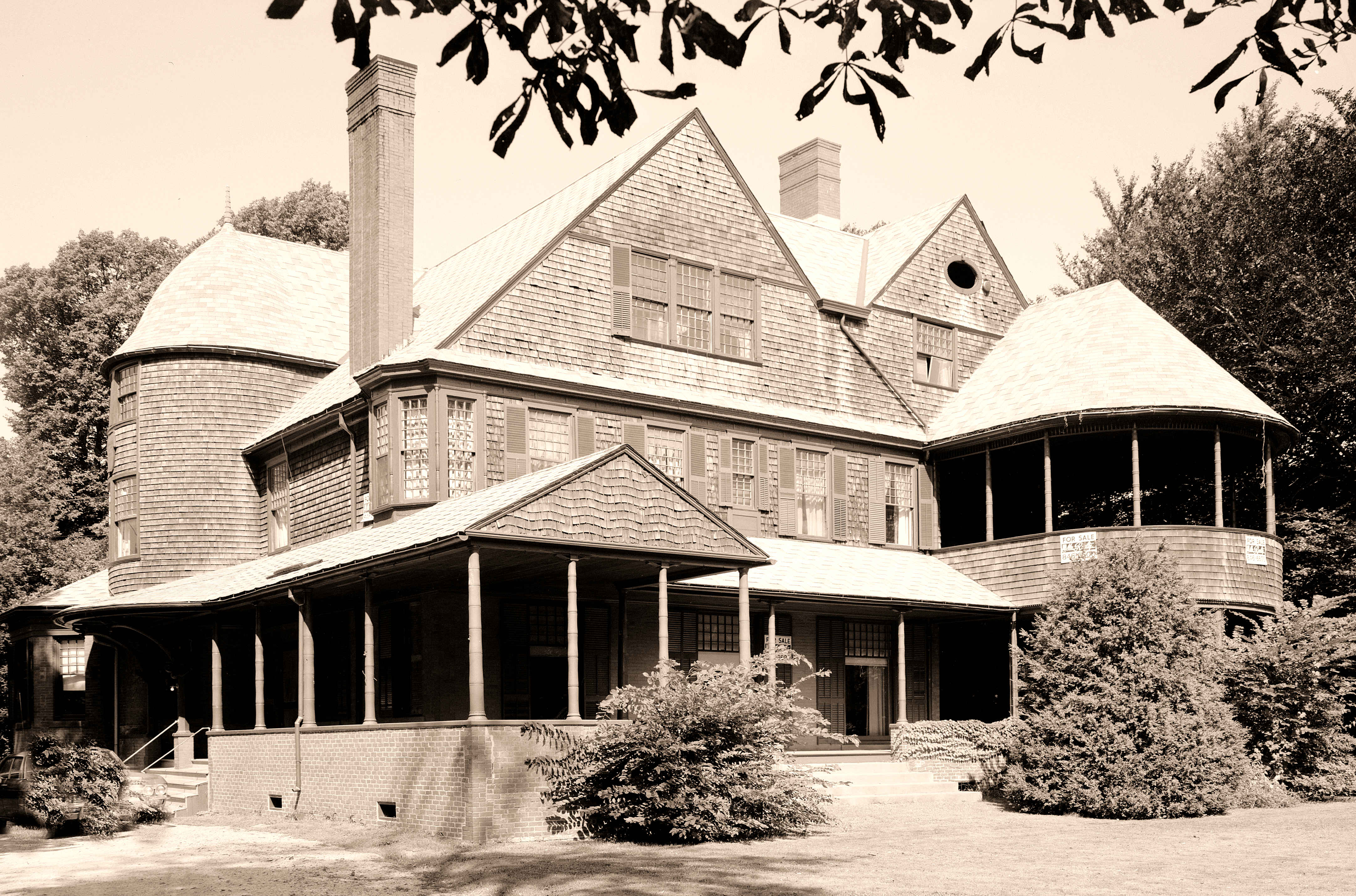
Shingle-style homes were popular in the last couple of decades of the 1800s, but they did not acquire a name until about 1950. American architect Vincent Scully gave this type of home a formal name in his book, The Shingle Style: Architectural Theory and Design from Richardson to the Origins of Wright. He nicknamed the style, “the architecture of the American summer.”
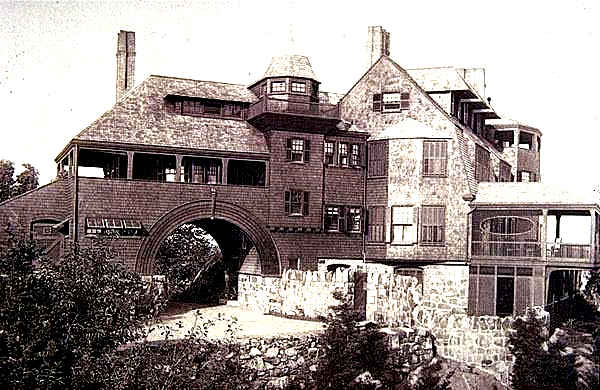
These houses, covered in shingles, have a weathered and naturalistic surface. Sometimes, architects dipped the cedar shakes in buttermilk to give them an aged, weathered appearance. One of the key features that distinguish shingle-style homes from other styles that have shingles, is the corners. Shingle-style homes do not have vertical corner boards. Instead, the shingles wrap around the corners. Other characteristics of these homes are:
- Spreading, dense horizontal shape
- Minimum of architectural details
- Frequently used for homes in the country, not often used in urban areas
- Interior spaces contain large rooms
- An informal feel
Shingle style was most frequently used on homes but was occasionally used for churches or lodges. However, it was not a style commonly used for commercial buildings. Here in Santa Barbara, there are just a handful of Shingle-style homes on the city’s Structures of Merit list.
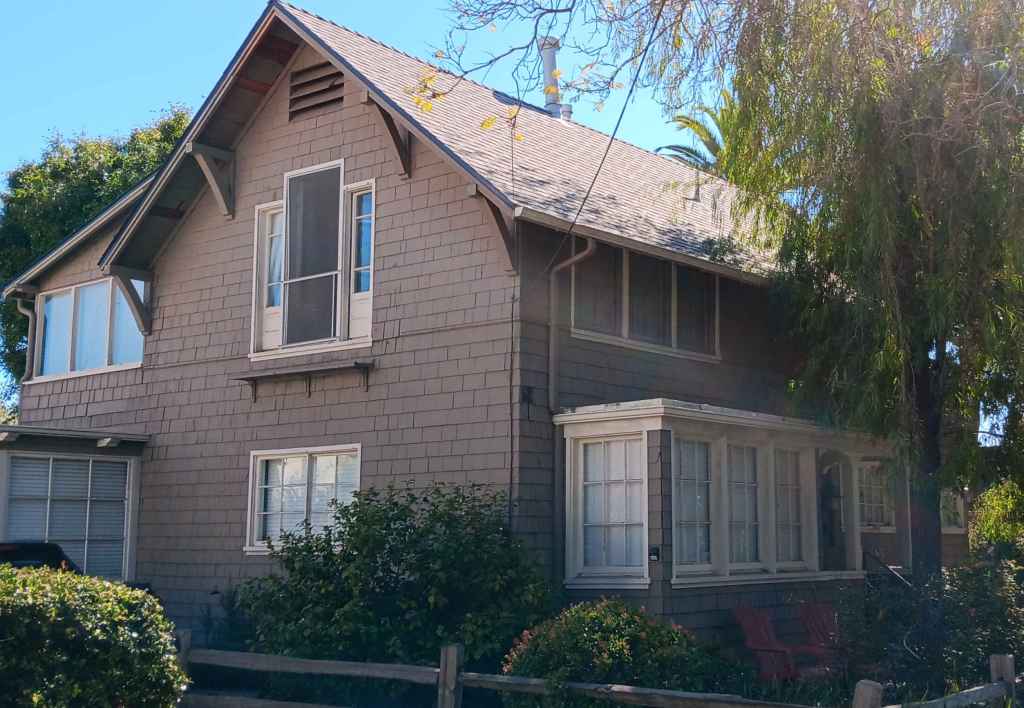
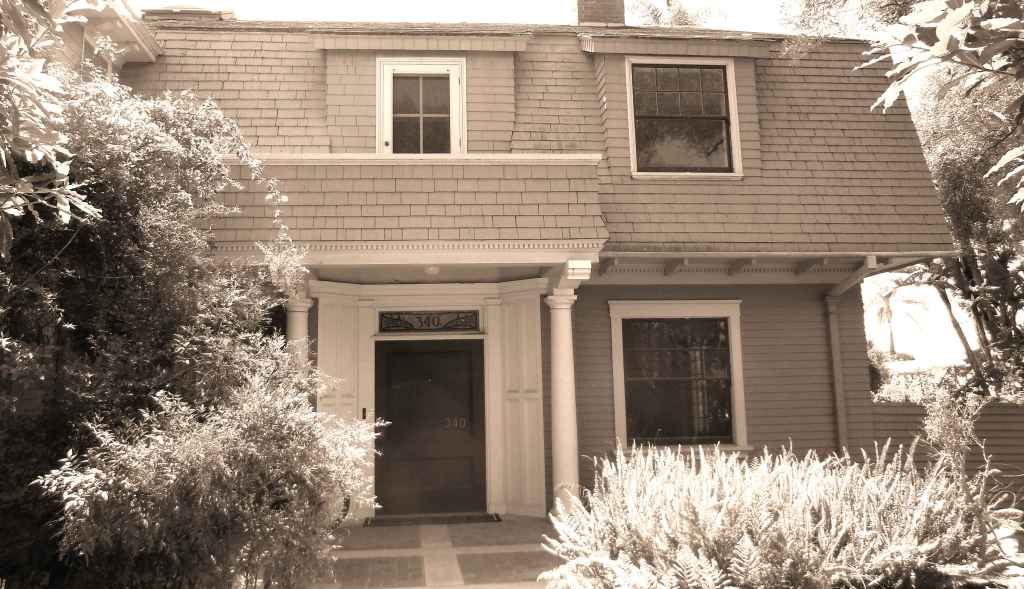
Why was this style, which was often used for massive homes built on seacoasts in New England, lacking a name for so long? Maybe because this style was usually used for vacation homes.
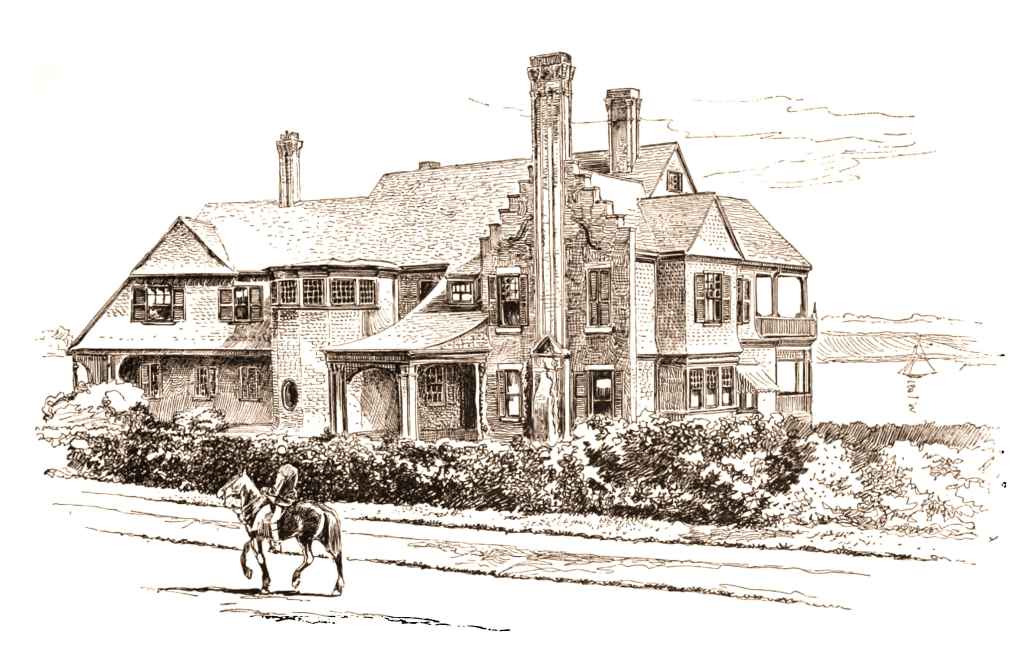
Another reason why this style was not given a formal name may have been that despite their massive size, these homes were often referred to as “cottages.” Many of these homes were vacation residences for the upper class on the East Coast. You know, people who use “summer” as a verb, as in, “Where do you summer?” I can imagine the Astors inviting the Vanderbilts by saying, “Oh, but you must visit us at our cottage in Newport this summer!” (Newport, Rhode Island, that is.)
Please do not disturb the residents of these homes.
Betsy J. Green is a Santa Barbara historian, and author of Discovering the History of Your House and Your Neighborhood, Santa Monica Press, 2002. Her website is betsyjgreen.com.
Related Posts




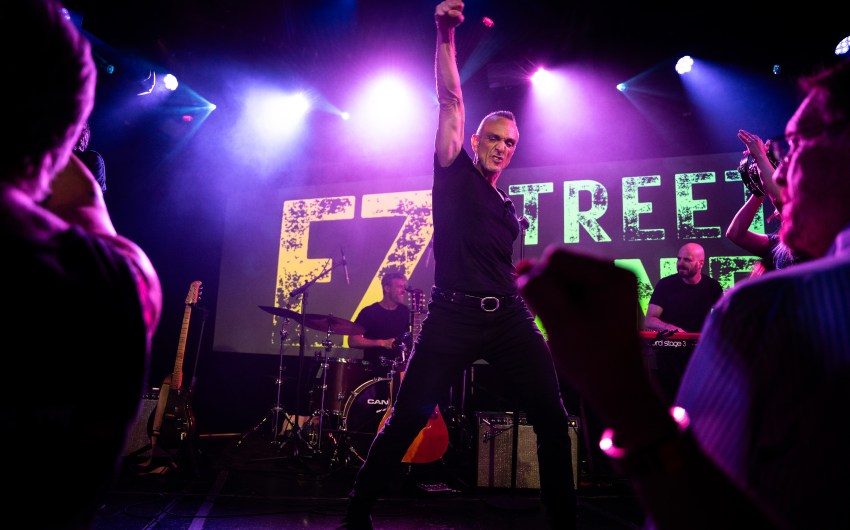
Premier Events
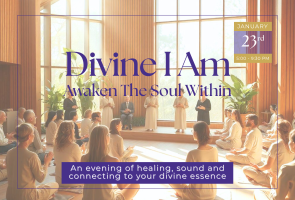
Fri, Jan 23
5:00 PM
Santa Barbara
Divine I Am Retreat
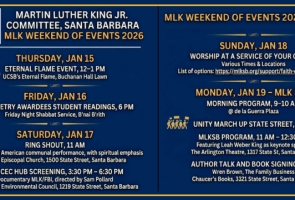
Thu, Jan 15
12:00 PM
Santa Barbara
19th Annual MLK Jr. Holiday Celebration
Fri, Jan 16
6:00 PM
Santa Barbara
19th Annual MLK Jr. Holiday Celebration
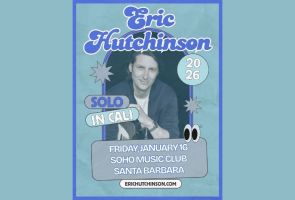
Fri, Jan 16
9:00 PM
Santa Barbara
Eric Hutchinson at SOhO
Sat, Jan 17
7:00 PM
Santa Barbara
Santa Barbara Blues Society Presents Tommy Castro
Thu, Jan 22
3:00 PM
Santa Barbara
Grand Opening at Ghirardelli Chocolate & Ice Cream

Thu, Jan 22
6:30 PM
Santa Barbara
Boogie for our Bodies
Sat, Jan 24
7:30 PM
Santa Barbara
Sweet Home Santa Barbara-The Doublewide Kings
Sat, Jan 24
7:30 PM
Santa Barbara
Billy F Gibbons and the BFG Band
Sun, Jan 25
11:00 AM
Santa Barbara
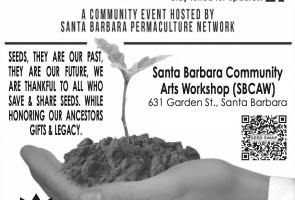
18th Annual Santa Barbara Community Seed Swap
Mon, Jan 26
6:30 PM
Santa Barbara
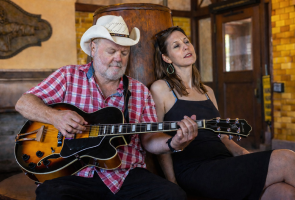
Lucinda Lane Returns to SOhO
Fri, Jan 23 5:00 PM
Santa Barbara
Divine I Am Retreat
Thu, Jan 15 12:00 PM
Santa Barbara
19th Annual MLK Jr. Holiday Celebration
Fri, Jan 16 6:00 PM
Santa Barbara
19th Annual MLK Jr. Holiday Celebration
Fri, Jan 16 9:00 PM
Santa Barbara
Eric Hutchinson at SOhO
Sat, Jan 17 7:00 PM
Santa Barbara
Santa Barbara Blues Society Presents Tommy Castro
Thu, Jan 22 3:00 PM
Santa Barbara
Grand Opening at Ghirardelli Chocolate & Ice Cream
Thu, Jan 22 6:30 PM
Santa Barbara
Boogie for our Bodies
Sat, Jan 24 7:30 PM
Santa Barbara
Sweet Home Santa Barbara-The Doublewide Kings
Sat, Jan 24 7:30 PM
Santa Barbara
Billy F Gibbons and the BFG Band
Sun, Jan 25 11:00 AM
Santa Barbara
18th Annual Santa Barbara Community Seed Swap
Mon, Jan 26 6:30 PM
Santa Barbara


You must be logged in to post a comment.