

In recent weeks, headlines have once again thrust the issue of sexual assault into the national spotlight. The release of court documents related to Jeffrey Epstein’s crimes has sparked speculation, outrage, and political theater. Yet for survivors like myself, the question is far simpler and more urgent: why is the truth still being hidden?
Why are the names of potential perpetrators redacted? The message to survivors — who are told to speak up, seek justice, and trust the system — is clear: Power means protection. When institutions withhold the truth, they betray the very people they claim to protect.
At Standing Together to End Sexual Assault (STESA), we believe survivors. We are committed to a survivor-led model of care that centers healing, justice, and empowerment. Through our programs, we provide wrap-around support for those impacted by sexual violence, and just as critical as our response is our prevention work — because healing one survivor is not enough. We must prevent the next assault from happening.
Unfortunately, the Epstein case is not an outlier. Reports have surfaced that companies like Uber may have suppressed internal reports of sexual assault to protect their brand image rather than protect riders and drivers. According to a 2022 report by The Washington Post, Uber has faced lawsuits alleging it failed to act on repeated safety concerns, with survivors claiming the company prioritized reputation over accountability.
This is part of a broader societal problem. Far too often, survivors are forced to prove their truth, while perpetrators walk free or face minimal consequences. Victim-blaming remains rampant, and systems that should support survivors instead retraumatize them. As a survivor, I’ve felt the emotional weight of having to fight to be believed.
And let’s be clear: When perpetrators face no consequences, they are emboldened. Research has consistently reinforced this reality that sexual offenders who evade accountability are more likely to reoffend. When perpetrators aren’t held accountable, the cycle of harm continues unchecked.
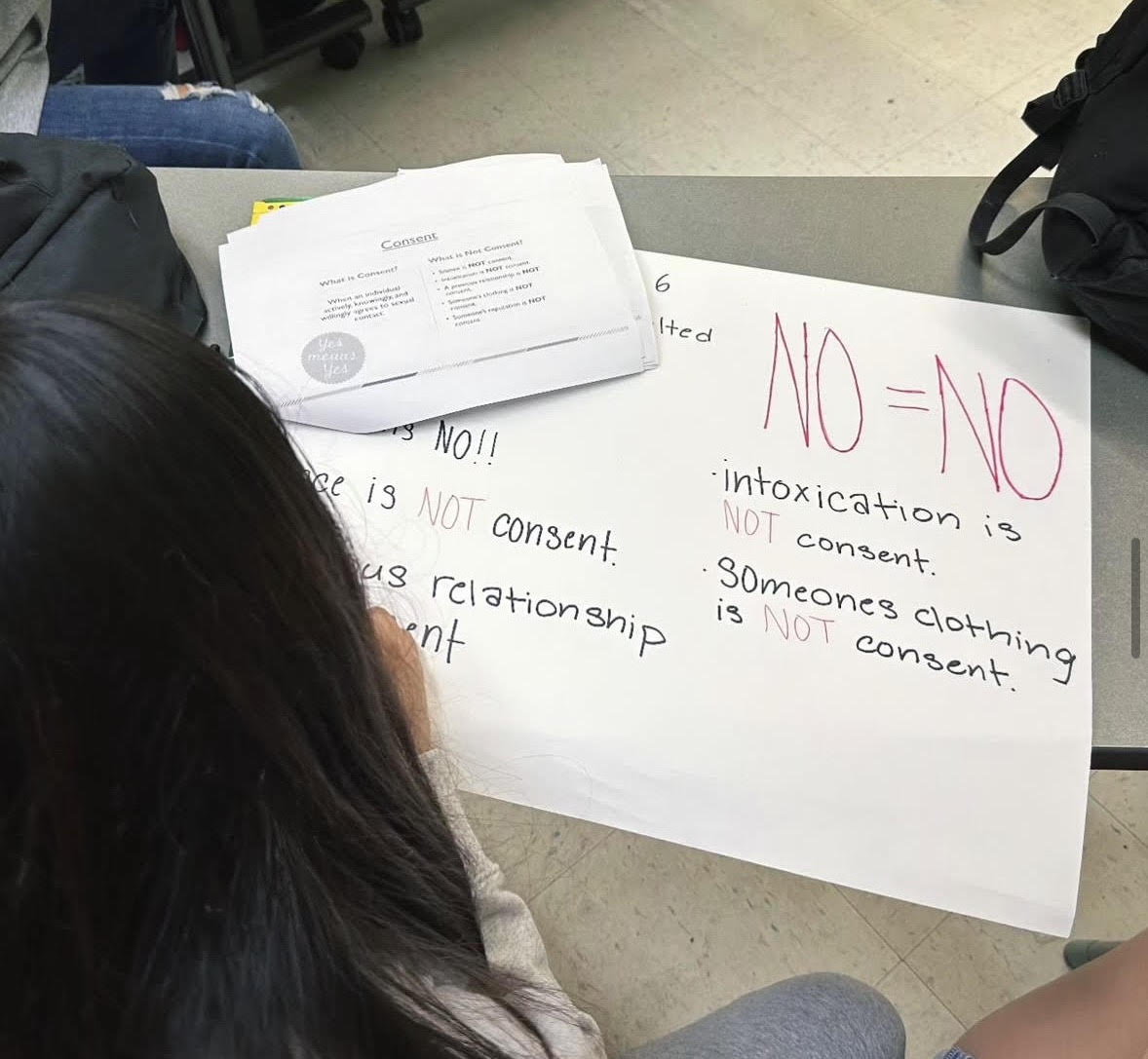
This is why prevention matters. Reacting only when cases make headlines is not enough. We must invest in comprehensive education, community awareness, and cultural change. STESA’s prevention programs work directly with businesses, schools, parents, and young people to teach consent, respect, and boundaries. Prevention is possible, but it requires political will, community support, and sustained funding.
Right now, STESA is at risk of losing the very funding that makes this work possible. The potential loss would gut not just our prevention efforts, but the critical services that hundreds of local survivors rely on every year. We urge our community leaders, funders, and neighbors to recognize that the time for silence has long passed. Survivors deserve action, not redactions.
The truth is this: We cannot end sexual violence if we continue to shield those who perpetuate it. We cannot empower survivors while dismantling the systems meant to support them. And we cannot build a safer future if we keep treating prevention as an afterthought.
Sexual assault is not a fringe issue- it is a widespread public health crisis that continues to be overlooked. According to the National Intimate Partner and Sexual Violence Survey, nearly 1 in 3 women (27.3%) and 1 in 6 men (16.0%) in the U.S. have experienced some form of contact sexual violence in their lifetime (5). For many survivors, the trauma is ongoing- not only from the assault itself, but from the failure of institutions to respond with accountability and care.
Sexual assault is all around us, yet still cloaked in silence, shame, and inaction. Survivors are not strangers — they are our loved ones, our colleagues, our community. So why do we keep turning away?
Every survivor carries a before and after. As Sara Bareilles sings, “She’s gone, but she used to be mine,” a line that echoes the pain, grief, and resilience woven into so many survivor stories. At STESA, we help survivors reclaim their voices, their power, and their future.
Stand with them. Believe them. Support them. And if you’re ready to be part of the solution, donate, volunteer, or learn more at http://www.sbstesa.org.
Melissa Guillen is president of the Board of Directors for Standing Together to End Sexual Assault (STESA).

