

For over 50 years, both the Marine Mammal Protection Act and the Endangered Species Act (ESA) have been cornerstone laws of species conservation in the United States. Both laws were passed in response to overwhelming public support. The Trump administration in unprecedented ways is now attacking both critical laws.
Contrary to facts, Congressmember Bruce Westerman (R-AR) introduced the “ESA Amendments Act of 2025,” stating, “The Endangered Species Act has consistently failed to achieve its intended goals and has been warped by decades of radical environmental legislation into a weapon instead of a tool.” Also attacking the ESA, Congressmember John McClintock (R-CA) introduced the “Endangered Species Transparency and Reasonableness Act of 2025.”
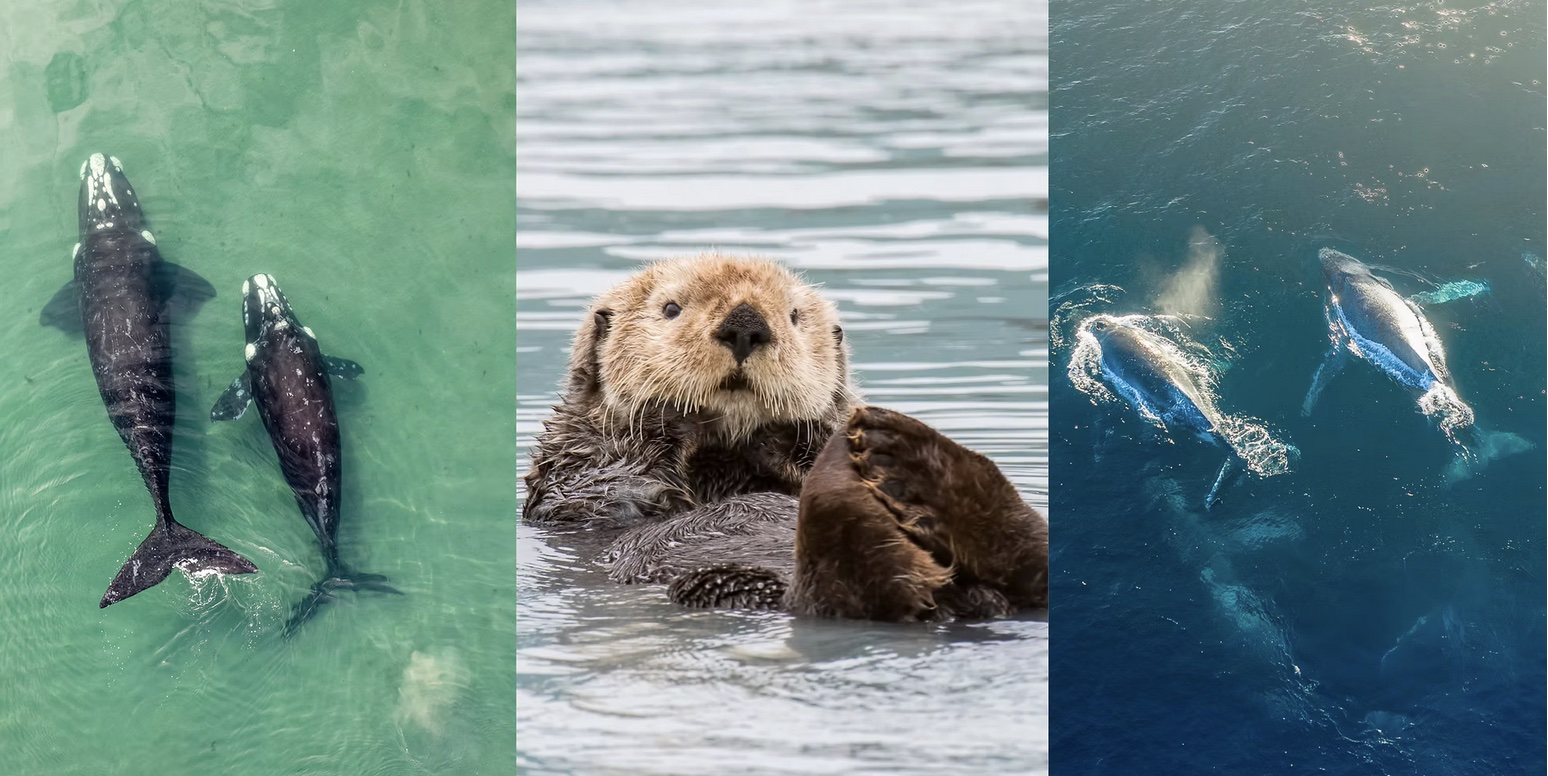
The ESA protects 938 plants and 743 endangered animals from snails to blue whales. Thanks to the ESA, the law has prevented the extinction of 99 percent of listed species, helping save iconic creatures of the United States, including the bald eagle and southern sea otter.
Proposed amendments would change course on regulatory interpretations relating to the scope of protections for endangered and threatened species and migratory birds. Recent proposals aim to gut the Endangered Species Act’s effectiveness by redefining what is considered “critical habitat.”
Within the same week, EPA Administrator Zeldin announced “Today is the greatest day of deregulation our nation has seen. We are driving a dagger straight into the heart of the climate change religion…”
Proposed amendments to the ESA would make it easier to remove species from the endangered list before their populations are truly stable. If enacted, these changes would prioritize industry interests over science leaving imperiled wildlife even more vulnerable. Think air and water pollution, unbridled exploitation of habitat — all for “Drill Baby Drill!”
Equally as important is the landmark Marine Mammal Protection law (MMPA) which has safeguarded dolphins, whales, manatees, seals, sea lions, otters, and polar bears. Currently in the U.S., 20 species of marine mammals are federally listed as endangered along with five listed as threatened; 25 species are listed as “depleted.” Thanks to the MMPA, not a single marine mammal species has gone extinct in U.S. waters despite increasing ocean use. It has also helped keep our oceans healthy and created the world’s largest wildlife-watching industry.
Weakening the MMPA and ESA is with the intent to remove all existing roadblocks.
A draft rollback amendment to the Marine Mammal Protection Act proposed by Congressmember Nick Begich (R‑AK) calls to remove protections for lesser-known populations. Amendments threaten all marine mammals by rescinding scientifically backed precautionary measures, narrow the legal definition of “harassment,” thereby allowing activities that may disturb marine mammals while imposing burdensome data requirements that could delay or prevent protections.
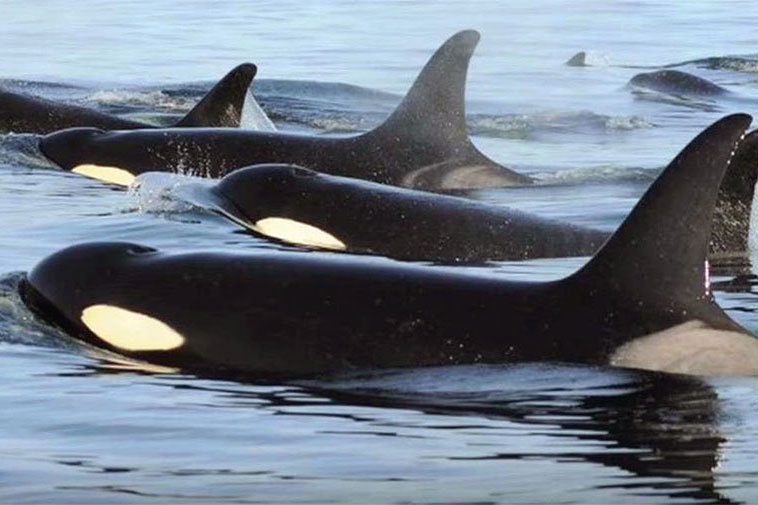
Strong, science-based measures in the current ESA and MMPA are essential to prevent losses among species, including the current population of 73 critically endangered southern resident killer whales. Their survival depends on robust legal safeguards, including measures under the ESA for six species of endangered Chinook salmon that are the whales’ primary food source.
If passed, these proposed amendments would weaken protections and delay action for endangered species, including all marine mammals, from increasing threats. These include ship strikes, ocean noise and water pollution, bycatch in fisheries activities; further threats come from coastal development and resource extractive industries such as fossil fuel and, more recently, impending seabed mining.
The tragic example of the AT1 orca population of Alaska’s Prince William Sound, which became functionally extinct after the 1989 Exxon Valdez spill, demonstrates what can happen when protections arrive too late.

In the Deepwater Horizon oil spill, an estimated 208,600 sea turtles and over one million birds died. Workers observed more than 1,400 marine mammals in the surface slick. All 21 species of dolphins and whales found in the Gulf were exposed to oil through subsurface, surface, and air contamination.
The Marine Mammal Commission, an independent agency of the U.S. government, reported the genetically differentiated bottlenose dolphins of Louisiana’s Barataria Bay in the Gulf were at an estimated population of over 3,000 prior to the Deepwater Horizon spill. Many of the dolphins died in the oil spill. More than 10 years later, the 2,000 remaining dolphins continue to face lower birth rates, impaired stress response, chronic respiratory problems, and other diseases similar to those also reported in humans.
The future of all wildlife, especially those listed “endangered,” must be safe-guarded as we also protect ourselves. Think of them as the “Canary in the coal mine.”
The group cetaceans.org encourages everyone to send a handwritten letter to their member of Congress. Be a voice for an endangered species dear to you. For an even greater impact, consider including a drawing, painting, photograph, poem, or digital creation. Art has a unique ability to move people and communicate creatively and help your message resonate on a deeper level.
Write to strongly urge your U.S. congressperson to oppose these three dangerous amendments: the draft affecting the Marine Mammal Protection Act by Congressmember Begich; and those affecting the Environmental Protection Act: H.R.1897 “ESA Amendments Act of 2025,” and H.R.180 “Endangered Species Transparency and Reasonableness Act of 2025.”
For more information, visit https://www.cetaceans.org/mmpaandesa.


You must be logged in to post a comment.