

STILL CRAZY: Sometime during one of our many droughts, my cousin set a Chinese restaurant in Ventura on fire. He didn’t mean to. He’d seen a plastic straw and was curious what would happen if he put a match to it. The straw was attached to a plastic lid affixed to the top of a Styrofoam soda cup. That cup had been discarded into the planter of an ornamental tree under the restaurant’s eaves. That flaming cup was a Molotov cocktail. The tree was kindling. The eaves were quickly engulfed.
My cousin was arrested without incident. He was a big guy. If I remember right, he was dressed all in orange. You couldn’t miss him. He made no effort to run away. The fire was put out. Not a lot of damage was done. But just enough. He was watching the flames when the cops put the cuffs on him.
It wasn’t the first time. My cousin was crazy. And on my mom’s side of the family, he wasn’t the only one.
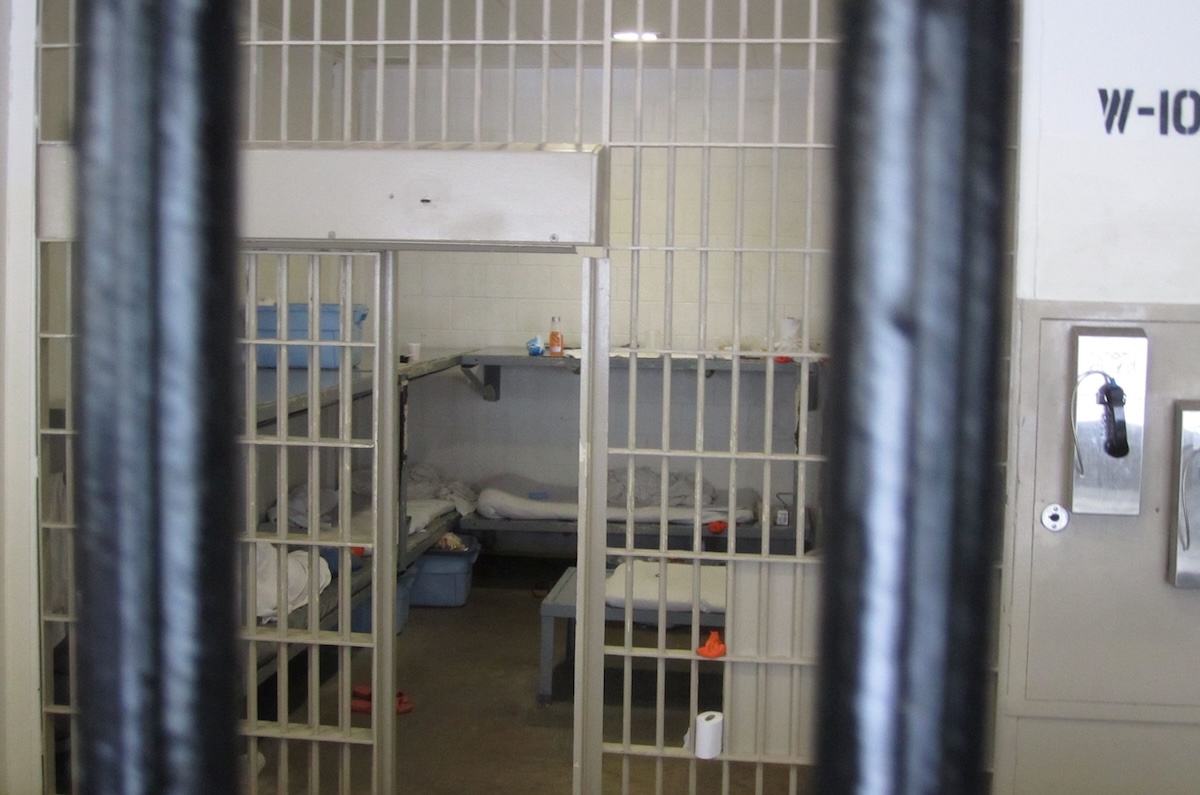
When I visited him in the Ventura County Jail, he was talking 100 miles a minute. His brain was on fire. All these years later, I can still smell the smoke. It came out that he had stopped taking his meds. For him, that meant bodysurfing. While insurance companies don’t recognize this as a reimbursable treatment, bodysurfing — like gardening — is a therapeutic miracle drug. There’s nothing so perversely exhilarating as getting hit upside the face by a big ocean wave. It’ll slap the crazy right out of anyone.
His parents back in Ohio had money. I helped them find an attorney; eventually, my cousin was released, but only on the condition that he get clean and sober and take his meds. It worked. He got out of jail, off probation, and later found Jesus. Last I heard from my cousin, we were all going to hell.
You could smell the smoke from that same hell in the county supervisors’ chambers this Tuesday afternoon. One woman recounted how her seriously mentally ill (SMI in the parlance of the trade) 41-year-old son had been booked in county jail no fewer than 20 times in the last three years. From the ER to the county jail and back to the ER. Somewhere, I read there’d been at least 135 court hearings. Existing resources that could help, it turns out, aren’t getting used. An eight-bed, acute-care holding facility for people about to explode got only one referral from the ER in October. In the same month, 27 people diagnosed as 5150 — an imminent threat to themself or others — had been released from the ER.
Crazy, as we hear ad nauseum, is doing the same thing over and over and getting the same bad results. Or maybe in the case of Santa Barbara County, not doing it.
For decades, mental health and social justice advocates have been haranguing the supervisors, mental health authorities, and anyone who’d listen that we need treatment beds for these people, not jail cells. It’s not just the humane thing to do; it’s the cheaper thing to do.

The supervisors didn’t have to be persuaded. With Sheriff Bill Brown now demanding they spend $200 million to build new jail pods at the Northern Branch Jail, the supervisors are experiencing terminal sticker shock. Maybe if the county kept the SMI, seriously addicted, and other nonviolent offenders somewhere other than jail, they reckoned, it wouldn’t need as many new jail cells. Maybe they could use the money saved to pay for diversion programs and treatment for all the loose screws and wild hairs who really don’t belong in jail.
In April, the supes ordered representatives from the Probation Department, DA, Sheriff’s Office, Public Defender, County Executive’s Office, and Behavioral Wellness to meet in a locked room with mental health and criminal justice reform advocates ’til they had produced a statistical snapshot of who’s getting booked into county jail, who’s staying, and, most critically important, who might not need to be there. And for seven long meetings they met. This Tuesday, the supervisors heard what they found out.
The bottom line? On September 1, 14 percent of the jail population had been deemed too crazy to be able to assist in their own defense. That’s 113 actual people. One hundred and nine people were waiting for beds for substance abuse issues. They had to wait on average 30 days. If such delays were avoided, there would be nine fewer inmates in the county jail per day. The report found 11 percent of jail inmates suffered from a serious mental illness; of those, 47 percent had been rearrested and booked 10 times or more.
If the Public Defender’s attorneys could first see defendants within 48 hours and seriously screen them for possible diversion programs, the panel concluded, the jail population could be safely reduced by 24 a day. And if just one day were shaved off the sentences of those currently in the jail, the panel found that we’d need 33 fewer jail beds.
To be clear, there are some seriously scary, violent people in that jail who should not be put in diversion programs. Given that 73 percent of inmates are awaiting sentencing or trial, it’s hard to know how many. We do know that 41 percent of the inmates were deemed a serious risk and nine a medium risk. On the flip side, 40 percent of the people booked into county jail on July 1 were homeless.
How many new jail cells do we really need? How much do we really want to bridge the treatment gap? That’s the $44 million question confronting the county supes, already on the precipice of yet another fiscal cliff. The choices are not good.
Maybe my crazy cousin had it right. If you want to stay out of hell, maybe we all need to go bodysurfing.










You must be logged in to post a comment.