

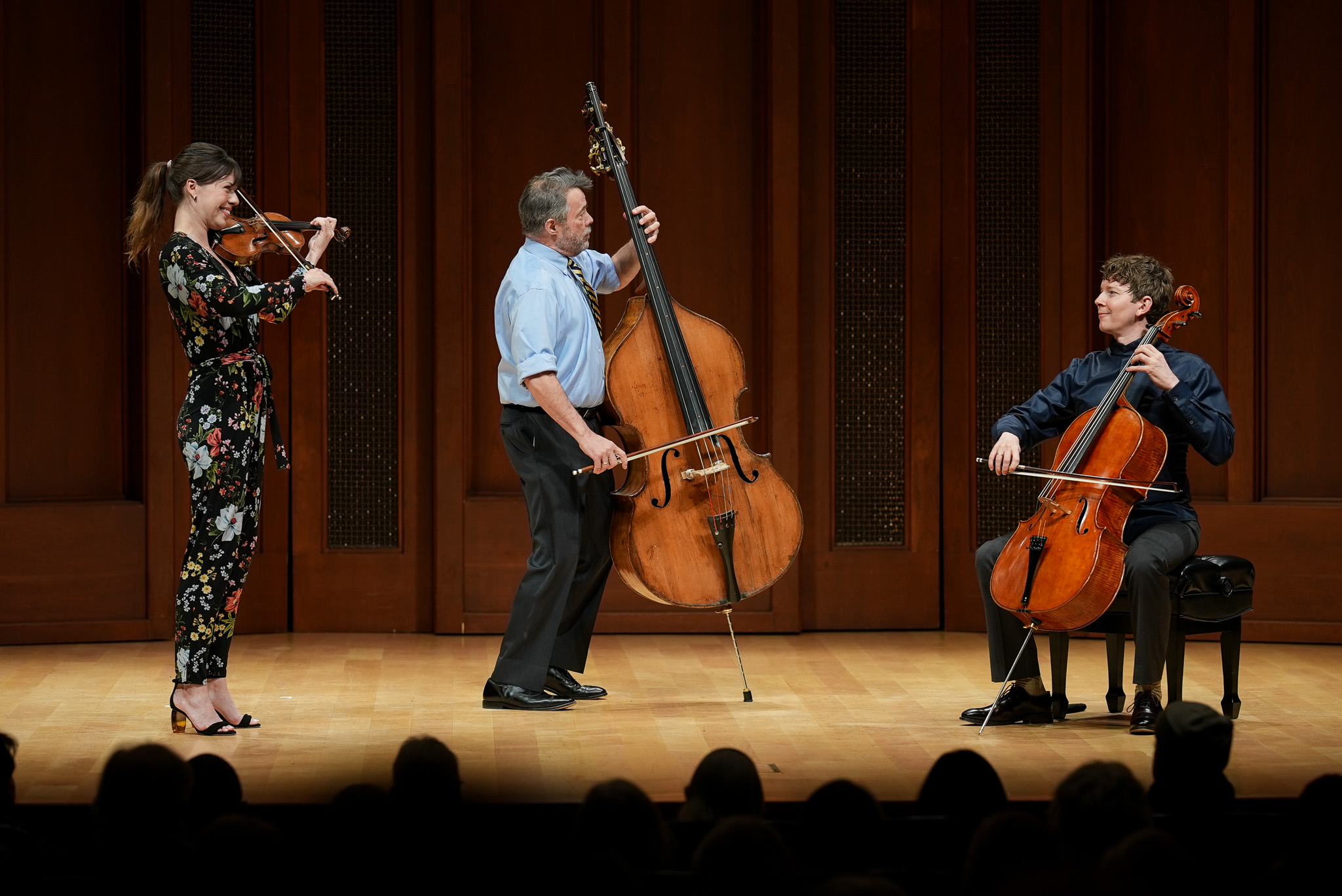
Friendly neighborhood double bass virtuoso Edgar Meyer has graced Santa Barbara stages many times over the years, but something almost revelatory went down with his visit to Hahn Hall last week. When Meyer last hit town, it was in a multicultural confab with the late, great Zakir Hussain and enlightened banjo riff-slinger Béla Fleck at Campbell Hall. Wearing hats as player and composer last week, Meyer brought along the simpatico younger players Tessa Lark, on violin/fiddle, and cellist Joshua Roman in a new classical-Americana super trio configuration, and calmly blew the roof off the place, with musicality and eloquence by the bushel.
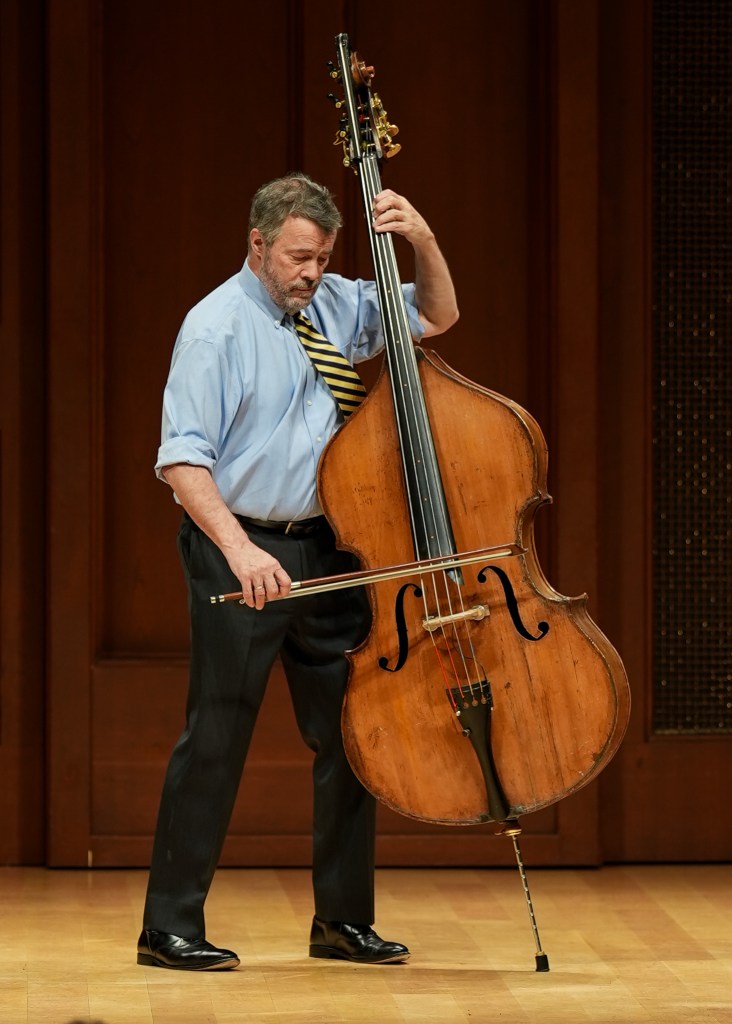
The biggest surprise came through the unveiling of hidden treasures in Meyer’s large catalogue of tunes and classical-crossover scores with two lost and as-yet-unrecorded string trio pieces hailing from 40 years ago. When 40 years younger, the classical-cum-bluegrass tapping Meyer wrote two inspired trio works, in 1986 and two years later, premiered at the Santa Fe Chamber Festival and featuring cellist Carter Brey and violinist Daniel Phillips.
After hearing and collaborating with Lark and Roman, he had the lightbulb-moment idea of revising that music and writing a new model, Trio 2024.
A piece of very good news: The Hahn Hall appearance was part of a warm-up for a long-awaited recording session of this body of music. They had decamped on campus at the Music Academy of the West to rehearse and even slightly tweak the existing music, in preparation for the documentation process. If justice prevails, the subsequent album will alert the music world to the presence of something new and special — not to mention category-goosing.
Logically, the program kicked off with JS Bach’s Sonata for Viola da Gamba in G, BWV 1027, related to Meyer’s 2017 trio album with cellist Yo-Yo Ma and mandolinist Chris Thile (listen here). This music’s contrapuntal verve, drive, and supreme logic set the stage, as an apparent influence and springboard for Meyer’s own works.
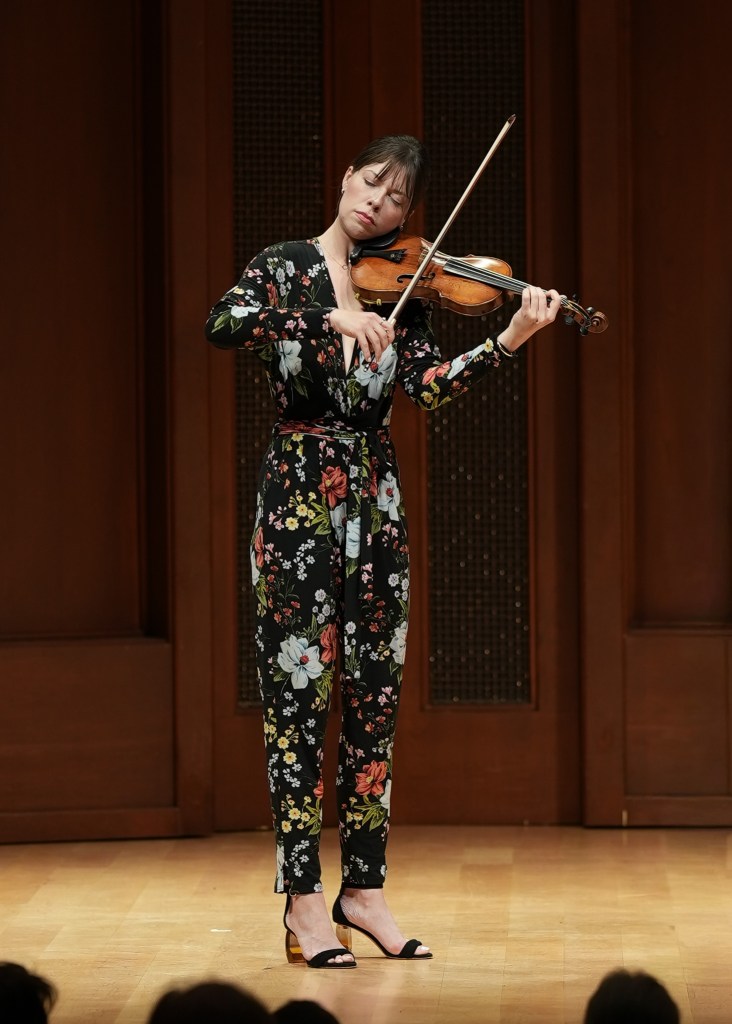
Meyer, ever the dry wit, introduced his Trio 1986 by saying, “it occurred to me to get Joshua and Tessa to play this originally, but Tessa had not been born yet.” That date also preceded the musical landscape of today, in which greater numbers of younger musicians and composers happily straddle formerly Balkanized music worlds of “serious” and “vernacular” music.
Yes, he was ahead of his time, and this “old” music strikes multiple chords of delight in the modern ear. Of the three four-movements Meyer scores on the program, Trio 1986 was a particularly brilliant thing to behold. Folk and bluegrass colors got along with a classical framework that could code-switch from Copland-esque qualities to Appalachian patois — as heard in his pizzicato licks in the third movement, with some of Meyer’s trademark slipping and sliding glissando. And then the fourth movement springs forth with fast, mad energy, speedy fingerboard business not for the faint of finger. Hints of vibrato-less Indian Carnatic music filter into the palette in the race to an ecstatic finish.
Trio 1988 continues the adventure, but also has its own personality, with a newly deconstructed/reconstructed third movement. Meyer explained that, upon revisiting the piece, he found the movement “kind of dull. I changed to give them more to do.” They indeed did more, slaloming around a variation on the standard American I-IV-V chord progression.
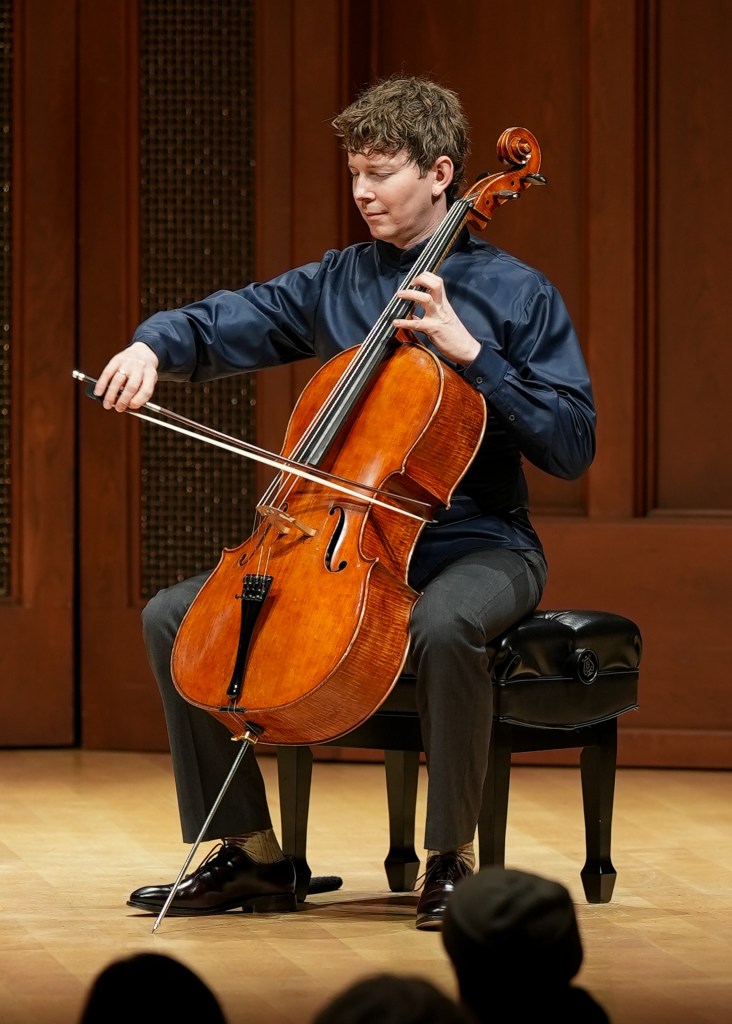
Trio 2024 represents yet a further evolution of his trio concept, inspired by these stellar new comrades in the threesome. The opening movement is more angular and harmonically complex than the ‘80s models, and the subsequent varied turns seem to personalize the connection with these particular musicians and the collective identity they embody. All are blessed with impeccable technique and, more importantly, natural expressive moxie in different corners of the musical cosmos.
We might have expected a light bonbon as an encore, something from the neo-bluegrass world, for instance, given the genre skipping, hopping, and wobbling nature of these musicians. Instead, they left us with a sublime, and gently played, version of Bach’s timeless balm of a cantata hymn, “Sleeper’s Awake (Wachet auf, ruft uns die Stimme),” also heard on the Bach Trio album.
Here, the piece proved to be a moving grace note finale for the first profound concert of our musical new year. Keep ears open for the recorded product, hopefully coming soon to a music outlet near us.
Related Posts


Premier Events
Thu, Apr 02
5:00 PM
Santa Barbara
Paintings by Michael Vilkin at ART & SOUL GALLERY

Sat, Apr 04
9:00 AM
Santa Barbara
Mesa Harmony Garden Spring Plant Sale
Thu, Apr 09
7:00 PM
Santa Barbara
Journey Within: Wisdom & Meditation with Gurudev
Fri, Apr 10
2:00 PM
Santa Barbara
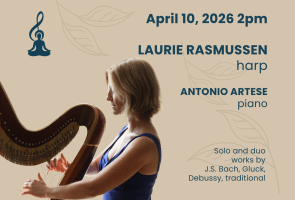
Music & Meditation SB – Concert April 10, 2026
Wed, Apr 01
6:00 PM
Santa Barbara
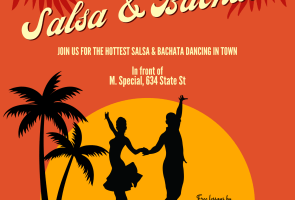
Downtown Salsa & Bachata Dancing
Wed, Apr 01
7:30 PM
Santa Barbara
Justin Hayward – The Story In Your Eyes Tour
Thu, Apr 02
2:00 PM
Santa Barbara
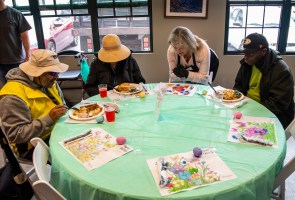
S.B. Rescue Mission Annual Easter Feast
Thu, Apr 02
4:00 PM
Santa Barbara
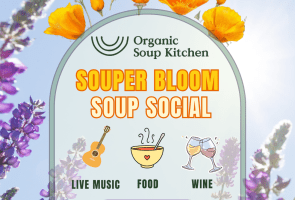
Organic Soup Kitchen’s Souper Bloom Soup Social!

Thu, Apr 02
5:00 PM
Santa Barbara
Exhibit Opening: The Santa Barbara Independent: ‘Covering 40 Years’
Fri, Apr 03
2:00 PM
Santa Barbara
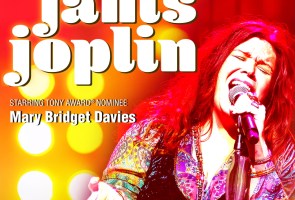
Ensemble Theatre Company Presents “A Night with Janis Joplin”
Fri, Apr 03
5:00 PM
Lompoc
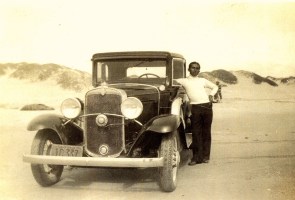
Filipinos’ Contributions to Once Making Lompoc…
Fri, Apr 03
7:30 PM
Santa Barbara
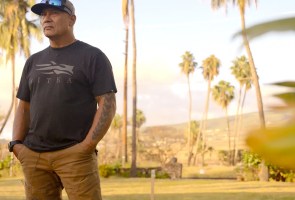
Lahaina: Voices of Change
Sat, Apr 04
9:00 AM
Santa Barbara
Mesa Harmony Garden Spring Plant Sale

Sat, Apr 04
9:00 AM
Santa Barbara
Passport Fair, hosted by Congressman Salud Carbajal
Thu, Apr 02 5:00 PM
Santa Barbara
Paintings by Michael Vilkin at ART & SOUL GALLERY
Sat, Apr 04 9:00 AM
Santa Barbara
Mesa Harmony Garden Spring Plant Sale
Thu, Apr 09 7:00 PM
Santa Barbara
Journey Within: Wisdom & Meditation with Gurudev
Fri, Apr 10 2:00 PM
Santa Barbara
Music & Meditation SB – Concert April 10, 2026
Wed, Apr 01 6:00 PM
Santa Barbara
Downtown Salsa & Bachata Dancing
Wed, Apr 01 7:30 PM
Santa Barbara
Justin Hayward – The Story In Your Eyes Tour
Thu, Apr 02 2:00 PM
Santa Barbara
S.B. Rescue Mission Annual Easter Feast
Thu, Apr 02 4:00 PM
Santa Barbara
Organic Soup Kitchen’s Souper Bloom Soup Social!
Thu, Apr 02 5:00 PM
Santa Barbara
Exhibit Opening: The Santa Barbara Independent: ‘Covering 40 Years’
Fri, Apr 03 2:00 PM
Santa Barbara
Ensemble Theatre Company Presents “A Night with Janis Joplin”
Fri, Apr 03 5:00 PM
Lompoc
Filipinos’ Contributions to Once Making Lompoc…
Fri, Apr 03 7:30 PM
Santa Barbara
Lahaina: Voices of Change
Sat, Apr 04 9:00 AM
Santa Barbara
Mesa Harmony Garden Spring Plant Sale
Sat, Apr 04 9:00 AM
Santa Barbara


You must be logged in to post a comment.