The Trump administration has aggressively reversed U.S. climate policy, focusing on fossil-fuel expansion, withdrawing again from the Paris Agreement, and suspending wind and solar renewable energy projects by revoking federal permits. It is rolling back stringent fuel economy standards and boosting manufacturers’ profitability for high-margin gas-powered SUVs and trucks while slowing the shift toward electric vehicles (EVs). The U.S. is now producing more oil and natural gas than Saudi Arabia and Russia combined. The federal government has also ended the pause on liquified natural gas (LNG) exports. These policy reversals are out of step with the rest of the world.
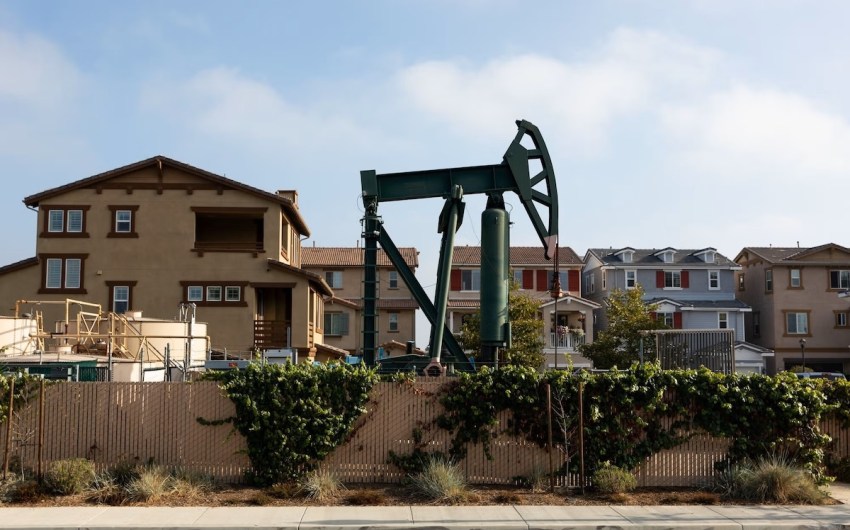
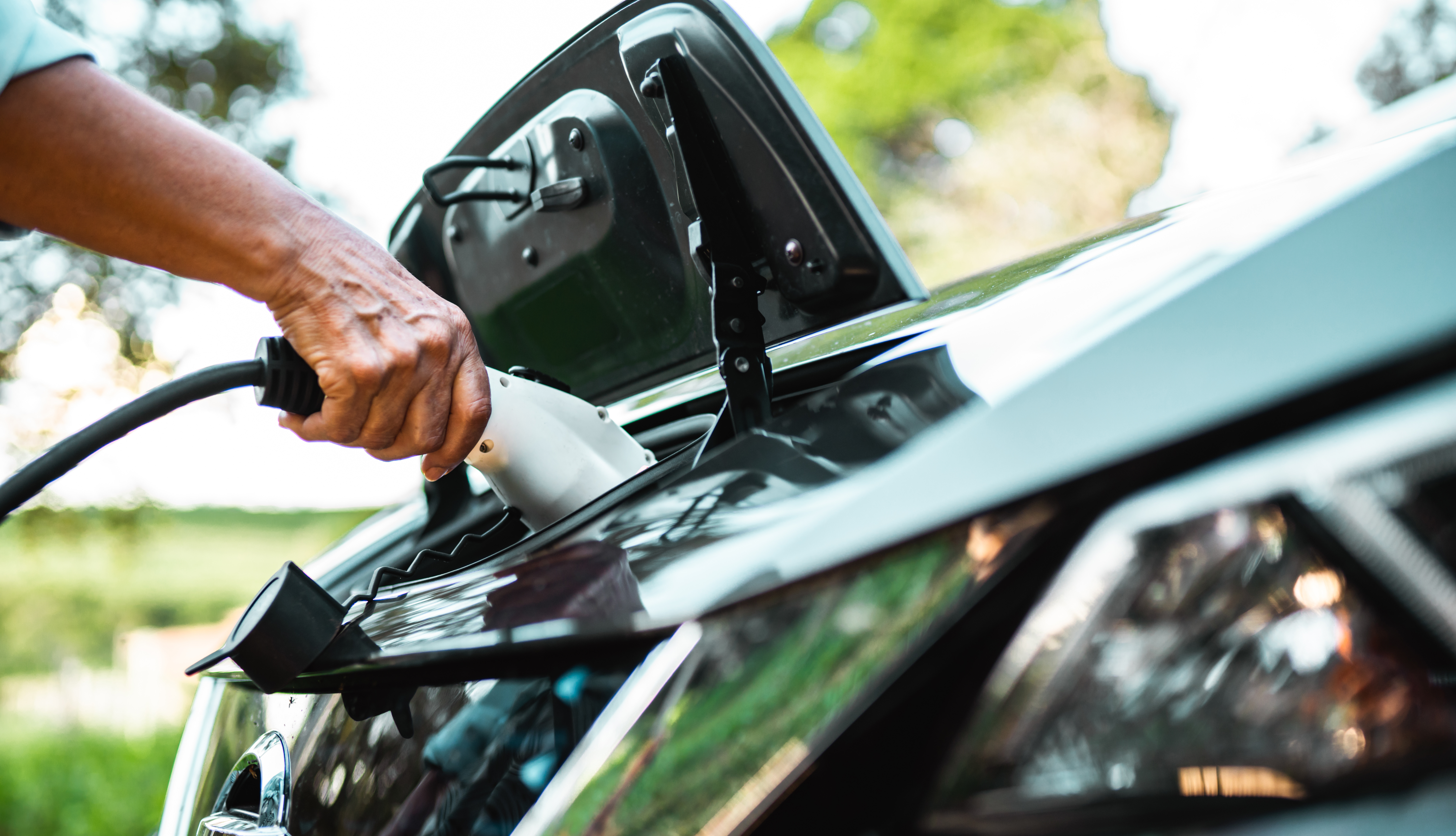
California, however, is still forging ahead in its transition to electric mobility. By 2024, the Golden State had 178,500 publicly accessible EV charging stations, double the number from two years before. For comparison, this number is significantly greater than our state’s 120,000 gas nozzles. California is a leader, in the U.S. and globally, in shifting to sustainable transportation.
According to California Energy Commission’s data, most of the state’s chargers are Level 2, while only 17,000 are fast chargers. Most hybrid vehicles cannot use fast chargers, a factor that influences the higher demand for Level 2 ports. Home installations of EV ports have also been increasing with more than 700,000 Level 2 chargers now in place. This investment complements the state’s public EV infrastructure network.
Although the withdrawal of federal dollars is slowing the transition to clean, electric transportation and increasing greenhouse-gas emissions across the country, California remains committed to substantial investments in EVs. Much of this investment is designated for underserved communities across the state to ensure that EVs become accessible to a broader segment of the population, especially in lower-income areas. California has not wavered on its goal to ban the sale of new gasoline-powered vehicles by 2035.
Perhaps California’s next innovation into clean energy will be to encourage the installation of solar photovoltaic arrays over parking lots linked to EV charging ports. Bidirectional charging software now allows drivers to help utilities even out their demand curve by offering (for compensation, of course) a small percentage of their EV’s stored electricity. This produces win-win savings: for the utility, the driver/homeowner, and the community. These smart systems are becoming prevalent in Germany, the Netherlands, and elsewhere in Europe. France has recently mandated that all large parking lots be covered by solar panels.
California’s reaching the milestone of more EV charging stations than traditional gas stations, reminds us of the potential for a greener future, even as federal policymakers and some industries push in the other direction.