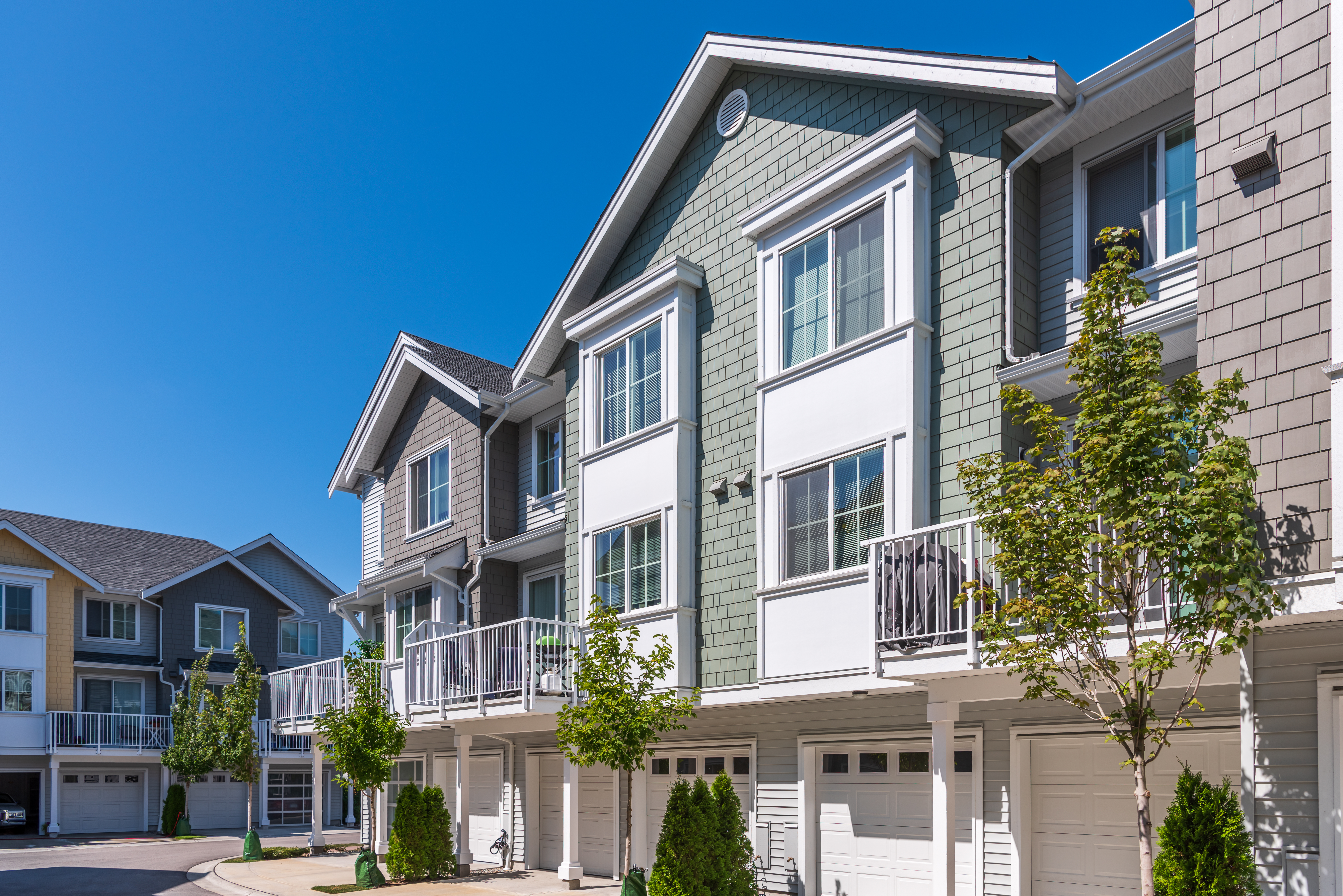
My first property was a condo. As a first-time homebuyer in the 805, it was what was within reach. It offered us more space than our rental and a quick walk to the beach, and we scrapped financially to make it happen.
Most folks in real estate know that “condos are a thing.” Under an ever-changing landscape of insurance options, state laws and local ordinances, management woes and neighborly complaints, historically recorded documents and real-life functionality lives the homeowners’ association (HOA) of a condominium complex. Yet, if you aren’t in this orbit, you might find current issues surprising if you are looking to buy, sell, or refinance a condominium locally.
As an entity with a fiduciary responsibility to uphold the laws and condition of the condominium complex, the homeowners’ association relies on volunteer decision makers (the board), and typically third-party management companies, to help them navigate all of the above and then some. Folks are expected to honor and respect the laws, regulations, and covenants, conditions, and restrictions (CC&Rs) set forth when a plot of land was transformed into a condominium complex, as well as those that continue to evolve. By its very nature, an HOA creates a communal living situation with individual tendencies. Association members are expected to live their lives in harmony with the established past, progressive present, and anticipated future. Sounds simple, right? Yet, so many HOAs have drastically deferred maintenance, were financially mismanaged, and some can barely get enough folks on the board to take action even if they wanted to do the right thing.
Different mortgage options exist depending on how much the melding of the HOA’s day-to-day activities align with guidelines. Guidelines vary according to the borrowers’ occupancy, loan type, and personal parameters, such as credit score and amount down. Let’s hit a few key points that are especially under scrutiny today. If the project meets all the basis set forth by Fanne Mae or Freddie Mac, it is considered “warrantable.” If it doesn’t, then it is considered “non-warrantable.” This can mean strikingly different rates and terms for homeowners, ranging in swings from 2 percent in rate to 20 percent more down payment.
Californians know the impact of insurability. Carriers have come in and out of the market, and notational disasters, tariffs, and labor and supply costs have caused premiums to increase and policies to be ever more creative. Because the HOA needs higher levels, and different types, of coverage than an individual homeowner, some have had to get more innovative to secure insurance protection. Maybe part of the HOA is near a creek, resulting in some units to be in a flood zone and some not. Maybe they have had to combine several policies to get hazard insurance coverage or look at cash versus replacement value options. Maybe they don’t have coverage that helps the building be rebuilt to today’s zoning standards or protects the HOA against fraud. Layers upon layers exist of insurance requirements when it comes to what a typically mortgage lender (such as Fannie Mae or Freddie Mac) would require to feel comfortable to lend.
So, why do lenders care? Collateral is a big part of lending. Besides your promise to pay, it’s the security to which your mortgage is tied. If you don’t pay your mortgage, then your lender could foreclose on your property and resell it in order to recoup the money they lent you. If that property is derelict then it won’t fetch a good price, and lenders want the money they lent you and then some.
The good news is that options exist for most situations, and that many HOAs are actively working to get back on or stay on track for sustainability. Perhaps the balcony work required will be done soon, or perhaps the insurance need is met by multiple policies. Perhaps you don’t care that some antiquated, recorded document says that no children under the age of 16 may live in the complex. Perhaps you welcome the fact that the property can be rented on a short-term basis. Knowing and understanding the potential risk and reward of purchasing any property is a requirement in my opinion.
As laws, regulations, and the marketplace continue to evolve, solutions will as well. The more creative the solution, though, the more expensive the option may be. Because density regulations will mean more condos than houses will most likely be built in the future, condominiums will continue to be a primary housing option for many in our community. Ask questions, set a plan, be open to adjustments, and your local lenders will continue to get you home.
Austin Lampson is a licensed mortgage professional and branch manager of Origin Point Mortgage. She has spent the last quarter-century helping her clients balance math and emotion to achieve their financial goals. Reach Austin at (805) 869-7100, austin@austinlampson.com, or visit austinlampson.com.