
Santa Barbara City Council moved forward with a plan for a November ballot measure to let voters decide whether to implement another city tax, either increasing the real estate transfer tax on properties that sell for more than $3 million, or by raising the Transient Occupancy Tax (TOT) from 12 percent up to 14 percent.
The city has been pursuing ways to increase revenues in light of the upcoming budget planning session, with a projected operating deficit of more than $14 million for the next fiscal year. The two tax options are being considered as the more viable options over less favorable budget choices, such as reducing library hours or increasing parking fees.
A poll was conducted in December 2025, in which more than 520 likely city voters were interviewed about whether they would vote for either of the two tax measures. Adam Sonenshein of FM3 Research, the firm that conducted the poll, presented the data to City Council on Tuesday.
Both the TOT tax and the property transfer tax options were tested to see if either reached the two-thirds threshold necessary for such tax measures. Neither reached the mark, with the poll results finding 57 percent of respondents said they would vote “yes” for a TOT tax, and 42 percent saying they would support a real estate property transfer tax.
Survey results showed that voters were more likely to support both taxes when the ballot language included references to workforce housing, with both polling closer to 60 percent but still falling short of the two-thirds mark.
While the poll numbers didn’t show sufficient support, according to Sonenshein, they both performed well enough to warrant additional consideration to be placed on the November ballot. A measure that included language focused on housing would also be more well-received by voters, he said, with more than 80 percent of respondents listing housing as their top voting concerns.
Keith DeMartini, the city’s finance director, said that City Council would need to approve one of the two options by July in order to make the deadline for the November ballot.
DeMartini outlined the merits of increasing the real property transfer tax from the current base rate — which is 55 cents for every $1,000 — to a higher rate of $9.50 for every $1,000 for properties sold for more than $3 million. This change could bring in an additional five to six million dollars a year in revenue.
DeMartini said the new higher rate would apply to a small percentage of property sales, since about 89 percent of all residential properties are listed at $2 million or below. “Very, very few in each fiscal year sell greater than $3 million,” he said.
But, he warned, these expensive properties can’t be expected to bring in a consistent amount every year. “There are quite a few factors,” he said. “It’s more volatile than property tax itself.”
During public comment, members of the hospitality and real estate industry showed up to voice their opposition to both tax options.
Kathy Janega Dykes, president and CEO of Visit Santa Barbara, warned that any short-term revenue increases that would come from a higher TOT rate would “begin to erode over time as higher lodging costs reduce visitor demand.”
Other hoteliers and tourism industry representatives asked City Council to consider the long-term risks of increasing costs for an industry that brings in millions to the local economy. “Tourism is one of our economic engines that brings outside dollars into our economy at scale,” Miller said.
Real estate professionals were similarly concerned about another potential increase in costs. Brian Johnson, CEO of the Santa Barbara Association of Realtors, said that property owners already have to contend with a long list of extra costs, from the Proposition 13 base rate to voter-approved school taxes and district assessments, on top of additional expenses for closing fees, local sales, and utility taxes.
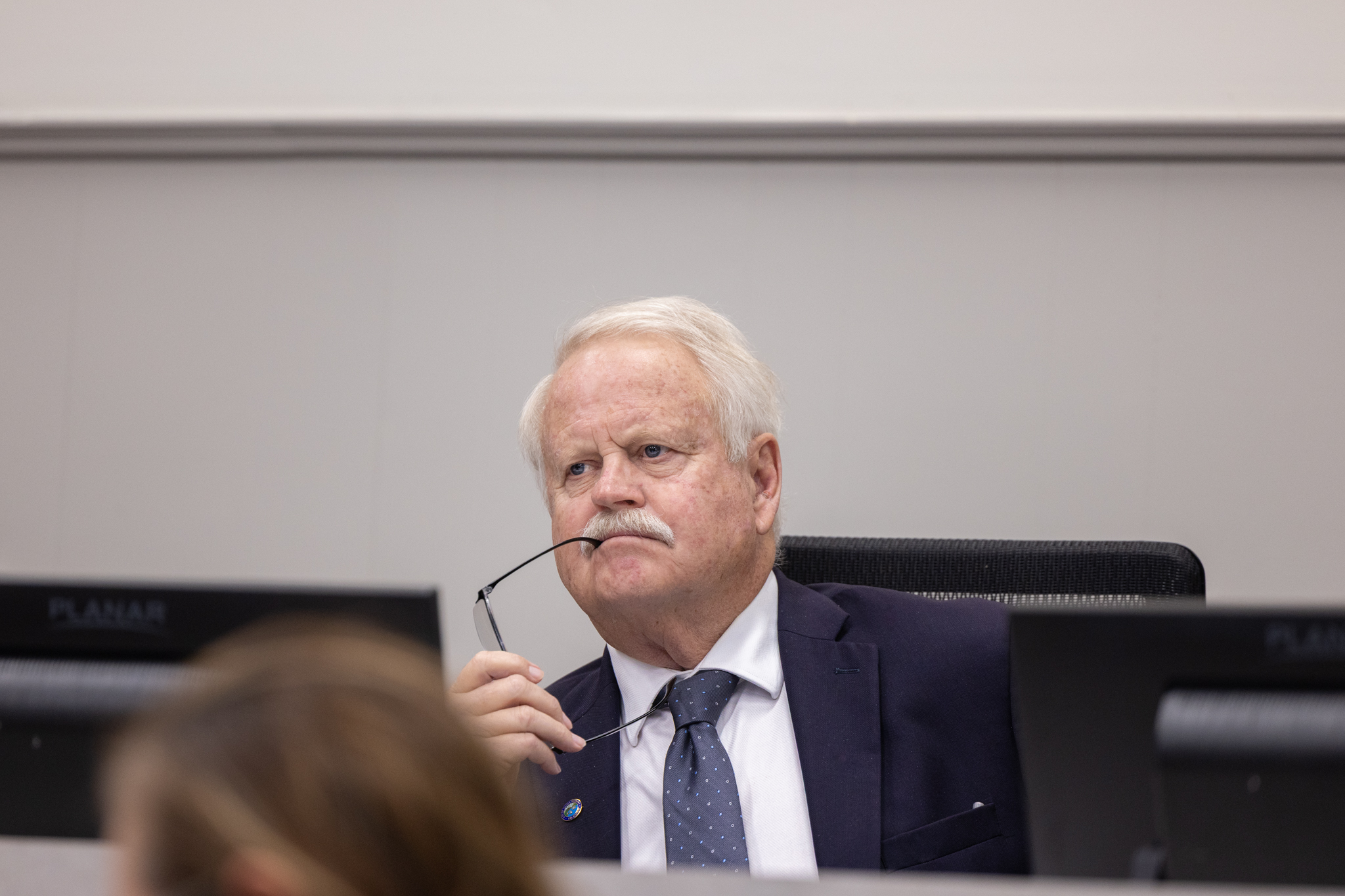
During council discussion, councilmembers expressed reluctant support to place the potential ballot measures up for a voter decision.
“Neither of these are very palatable,” said Councilmember Mike Jordan. “But obviously, I think something needs to happen.”
There was no vote taken, but the council directed staff to pursue the property transfer tax as the preferred option, with the understanding that the city might have to pivot and move forward with the TOT option, depending on potential legal developments at the state level that might take precedence over the city’s potential transfer tax.
The city will conduct a public outreach campaign, and the council will make a final decision by July. If either tax measure is placed on the November ballot and approved by voters, it would be effective in January 2027.
Councilmember Meagan Harmon, who was outspoken in her opposition to previous city taxes, said she had ongoing concerns about the conversations around increased taxes. She wanted the city to be clear about what the increase would mean for somebody selling a property worth $3 million — an increase in transfer tax from about $1,650 to more than $28,500. “It’s a 1,600 percent increase, and I think it matters a lot,” she said.
The discussions over the proposed tax measures were just a preview of the upcoming budget sessions, during which the city will have to contend with the pressures of a growing deficit and shrinking reserves. “This is gonna be a pretty ugly, contentious budget session,” said Mayor Randy Rowse.
Related Posts





Premier Events

Thu, Apr 02
5:00 PM
Santa Barbara
Paintings by Michael Vilkin at ART & SOUL GALLERY

Sat, Apr 04
9:00 AM
Santa Barbara
Mesa Harmony Garden Spring Plant Sale
Thu, Apr 09
7:00 PM
Santa Barbara
Journey Within: Wisdom & Meditation with Gurudev
Fri, Apr 10
2:00 PM
Santa Barbara
Music & Meditation SB – Concert April 10, 2026

Thu, Apr 02
2:00 PM
Santa Barbara
S.B. Rescue Mission Annual Easter Feast
Thu, Apr 02
4:00 PM
Santa Barbara
Organic Soup Kitchen’s Souper Bloom Soup Social!
Thu, Apr 02
5:00 PM
Santa Barbara
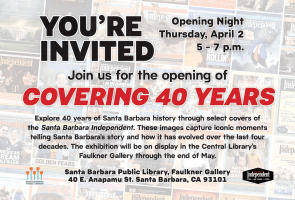
Exhibit Opening: The Santa Barbara Independent: ‘Covering 40 Years’

Fri, Apr 03
2:00 PM
Santa Barbara
Ensemble Theatre Company Presents “A Night with Janis Joplin”

Fri, Apr 03
5:00 PM
Lompoc
Filipinos’ Contributions to Once Making Lompoc…

Fri, Apr 03
7:30 PM
Santa Barbara
Lahaina: Voices of Change
Sat, Apr 04
9:00 AM
Santa Barbara
Mesa Harmony Garden Spring Plant Sale

Sat, Apr 04
9:00 AM
Santa Barbara
Passport Fair, hosted by Congressman Salud Carbajal

Sat, Apr 04
9:30 AM
Santa Barbara
The Great Egg Hunt

Sat, Apr 04
5:00 PM
Santa Barbara
Classical Guitar at Art & Soul
Thu, Apr 02 5:00 PM
Santa Barbara
Paintings by Michael Vilkin at ART & SOUL GALLERY
Sat, Apr 04 9:00 AM
Santa Barbara
Mesa Harmony Garden Spring Plant Sale
Thu, Apr 09 7:00 PM
Santa Barbara
Journey Within: Wisdom & Meditation with Gurudev
Fri, Apr 10 2:00 PM
Santa Barbara
Music & Meditation SB – Concert April 10, 2026
Thu, Apr 02 2:00 PM
Santa Barbara
S.B. Rescue Mission Annual Easter Feast
Thu, Apr 02 4:00 PM
Santa Barbara
Organic Soup Kitchen’s Souper Bloom Soup Social!
Thu, Apr 02 5:00 PM
Santa Barbara
Exhibit Opening: The Santa Barbara Independent: ‘Covering 40 Years’
Fri, Apr 03 2:00 PM
Santa Barbara
Ensemble Theatre Company Presents “A Night with Janis Joplin”
Fri, Apr 03 5:00 PM
Lompoc
Filipinos’ Contributions to Once Making Lompoc…
Fri, Apr 03 7:30 PM
Santa Barbara
Lahaina: Voices of Change
Sat, Apr 04 9:00 AM
Santa Barbara
Mesa Harmony Garden Spring Plant Sale
Sat, Apr 04 9:00 AM
Santa Barbara
Passport Fair, hosted by Congressman Salud Carbajal
Sat, Apr 04 9:30 AM
Santa Barbara
The Great Egg Hunt
Sat, Apr 04 5:00 PM
Santa Barbara

