Streets are one of the most valuable assets a city has. Urban planners, especially in the U.S., have operated on the assumption for years that streets are first and foremost for cars. The car culture is deeply ingrained in urban policy. This mind set carries over into parking. Individually, a parking spot seems small, but collectively, they take up an enormous amount of space, roughly 25 percent of developable urban land in the U.S. Much of this parking is free and part of the role of city streets.
This prioritizing of vehicles creates a lot of asphalt, which adds to rising temperatures (the heat island effect), worsens flooding during rainstorms, and diminishes the comfort of people. Some cities are questioning these patterns.
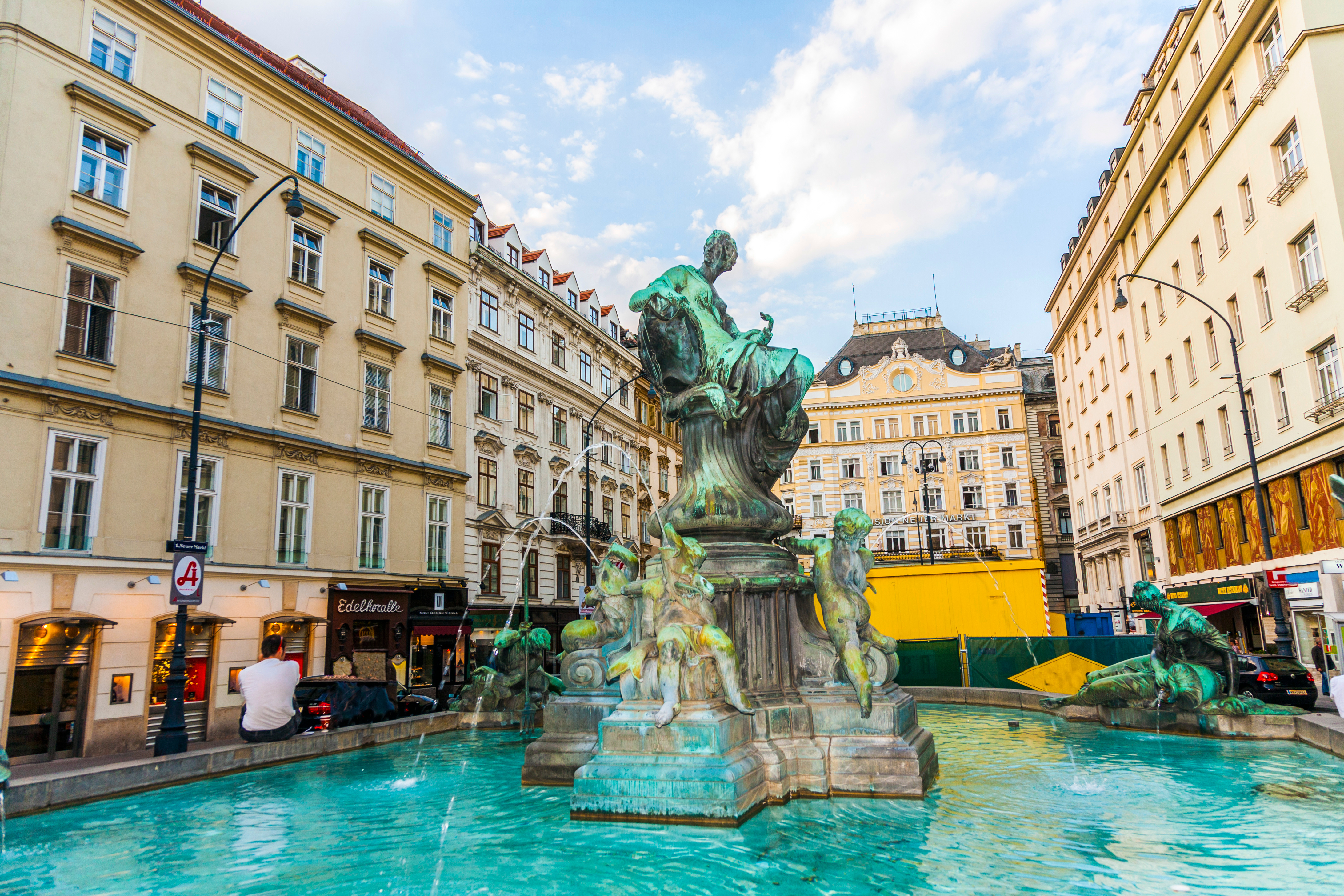
Vienna is one such city. It is removing street parking in favor of public space. The historic Neuer Markt in the center of the city has been transformed from car parking into a pedestrian-friendly area with trees, benches, public art, and gathering spaces.
In a major policy shift, Vienna has ended free parking and now requires payment for all street parking citywide. This move has added more than $200 million annually to the city’s coffers, all of which are invested in greening infrastructure, improving and expanding public transit, and adding more bike lanes. The result is a 37 percent drop in car use compared to the 1990s. The city has some 350 projects to green former parking places and to render them more people-friendly. One project changed a major street into a cycling corridor.
The city even makes available grants for residents to convert parking into community gardens, playgrounds, or outdoor seating areas, what the city calls “neighborhood oases.”
Reducing parking can feel like an attack, especially for those who rely on cars. Behavioral change doesn’t happen easily. Vienna made it clear that making parking harder isn’t the point, but making alternatives easier is. The city developed “Park and Ride” garages for commuters and shoppers to leave their cars outside the city center and transfer seamlessly to subways and trams. Their public transport system is fast, cheap, pleasant, and well-connected, exactly what is needed to create behavior change. Vienna understands that changing mindsets is all about offering choices.
Although slower and more challenging, change is coming to U.S. cities. Some parklets that appeared during the pandemic are becoming permanent outdoor dining and gathering places. Zoning laws are being rolled back that previously required new developments to include a minimum number of parking spaces, opening options for housing, green space, or businesses. Imagine what options would be possible if some of Santa Barbara’s parking lots were removed.
Vienna believes that urban life is not about where to park, but about what kind of place we want to live in.