
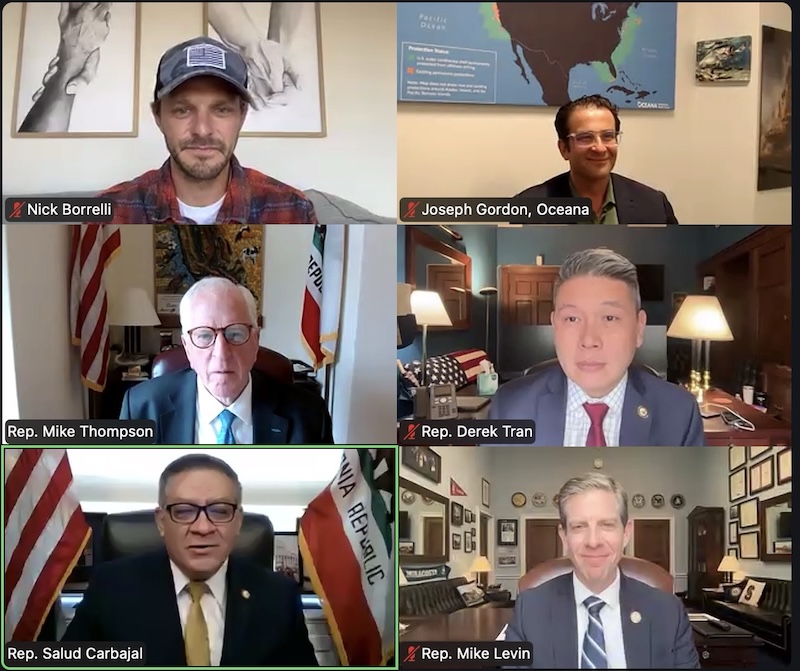
U.S. Representative Salud Carbajal and a phalanx of other California congressmembers and colleagues convened a virtual press conference Thursday to warn that the Trump administration’s push for more offshore oil drilling off the California coast could imperil military readiness, foul crucial training waters, and gamble with an economy built on the coast, tourism, fishing, and clean access to the sea.
Again and again, the members said Trump’s attempts to reopen the California coast to new oil and gas drilling is an environmental and national-security hazard masquerading as energy policy. They also denounced the president’s recent actions pushing the restart of Sable Offshore’s oil pipelines in Santa Barbara County 11 years after one of the pipelines ruptured, causing the 2015 Refugio Oil Spill. The administration has justified the move under the Defense Production Act of 1950, which allows the president to direct energy resources in the interest of national security, citing potential fuel disruptions tied to the Iran conflict.
Carbajal called the plan “federal overreach” and said the rationale had less to do with wartime necessity than with old allegiance to oil.
“This push for offshore leasing didn’t start with the [2026 Iran] war,” he said. “It has been in the works for months and months.” He added that “introducing massive oil rigs and increased maritime traffic into these high-stake zones [areas with a concentration of military operations, such as Marine Corps Base Camp Pendleton] creates unnecessary and hazardous interference with essential mission readiness.”
Carbajal’s Democratic colleagues stood as one in agreement. Representative Mike Thompson, a Vietnam veteran, said the president “isn’t interested in bolstering our energy leadership” and warned that expanded drilling would threaten both military operations and marine ecosystems.
Representative Mike Levin, whose district includes Camp Pendleton, called the administration’s logic, one which champions oil and openly opposes offshore wind proposals, internally absurd.
“What national security risk exactly are they talking about from offshore wind?” he asked. “Because there really isn’t one.” If anything, he said, fossil-fuel infrastructure is the real operational hazard.
Representative Derek Tran, whose district includes Joint Forces Training Base Los Alamitos, was more direct.
“Oil spills are not a matter of if, but rather when,” he said, warning that cleanup could sideline training operations for weeks or months.
Congressmember Jimmy Panetta, a Navy veteran, argued that new drilling would “lock in fossil fuel dependence” while exposing coastal infrastructure and military installations to added risk.
The most personal remarks came from Nick Borrelli, a Marine combat veteran and therapist who works with service members in ocean-based recovery.
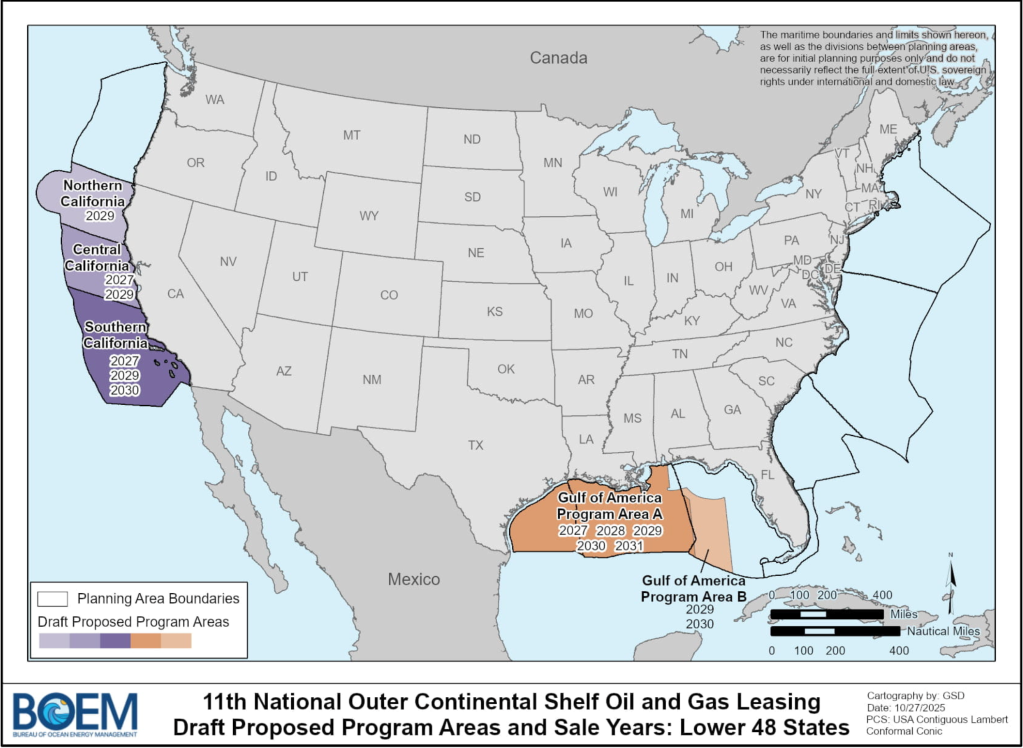
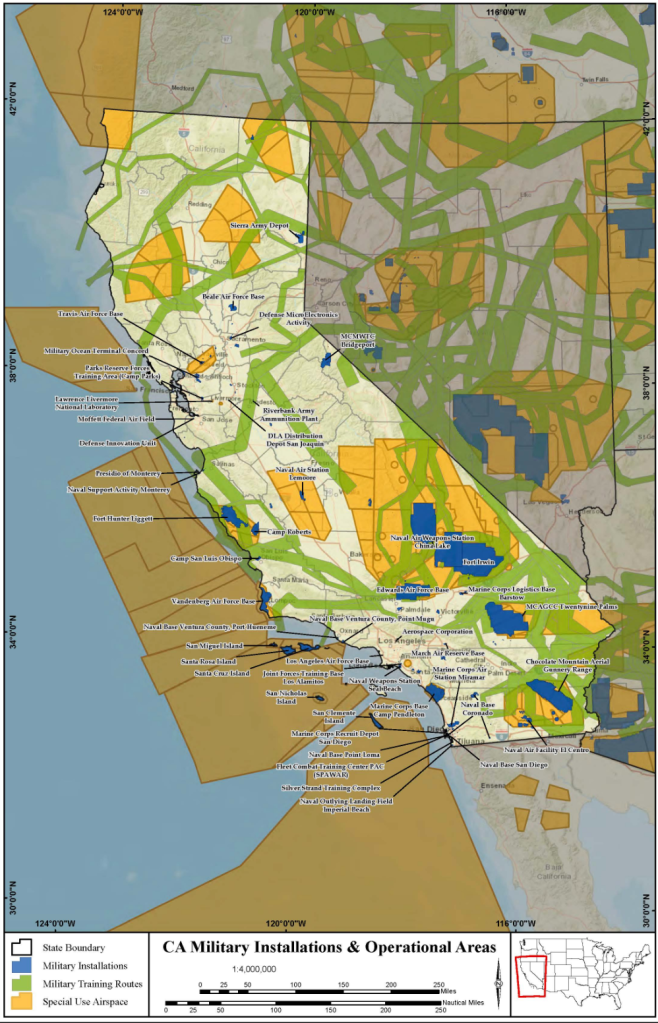
“The ocean is where I learned discipline as a Marine,” he said, “and it’s where I found my way back to myself after coming home from combat.”
All of that was clear. Less clear was the answer to a question at the center of the administration’s case — and, closer to home, Sable Offshore’s.
That argument goes like this: California’s refining capacity has thinned; the state is effectively isolated when it comes to pipelines; coastal bases still require steady supplies of jet fuel and gasoline; and increased reliance on imports, particularly in a volatile global market, creates a national-security vulnerability. The administration and oil interests contend that additional in-state production could help relieve that pinch.
Asked directly whether California’s refinery constraints pose a real risk to military fuel supply, Carbajal acknowledged part of the premise. “Twenty percent of the fuel that is imported to California comes from Asia, where supplies are being strained due to the recent war,” he said. But he quickly pivoted, blaming “Donald Trump’s dangerous and volatile military actions” and adding, “I don’t know how they [California military bases] would be impacted in any way, shape, or form from the decisions that this administration is trying to advance.”
Thompson’s response remained broad. “It was a global market before refineries shut down, and it’s going to be a global market after,” he said.
Neither response directly addressed whether California’s coastal bases face any meaningful supply vulnerability — or whether any dedicated military fuel backstop exists.
Separate from supply is the question of risk — specifically, the risk of another spill.
Much of the ongoing legal fight over Sable’s restart centers on whether the California State Fire Marshal or the federal Pipeline and Hazardous Materials Safety Administration (PHMSA) should have final authority over the Sable pipeline. Asked what difference that makes, Carbajal said that “California has stricter corrosion controls in place for pipelines that are high risk,” Sable being one of them. Those standards, he said, are designed to prevent “another catastrophic spill like the 1969 and 2015 spills.”
Since the 2015 Refugio Oil Spill, the question of who gets final say over pipeline restart has remained deeply contested. Sable maintains it has met safety requirements; state regulators say otherwise. A Santa Barbara judge recently upheld an injunction blocking restart, reinforcing the Fire Marshal’s authority under a prior federal agreement. The Trump administration, however, has argued that the Sable pipeline qualifies as interstate — despite not crossing state lines — and therefore falls under federal jurisdiction through PHMSA. On Monday, California Attorney General Rob Bonta sued the Trump administration over what he described as the “illegal” restart of Sable’s oil production.
Related Posts




Premier Events

Sat, Mar 28
12:00 PM
Santa Barbara
Spring Fragrance Release Party
Sat, Mar 28
7:15 PM
Santa Barbara
Santa Barbara Stargazing Tour

Sat, Mar 28
All day
Santa Barbara
Coffee Culture Fest

Sat, Mar 28
11:00 AM
Santa Barbara
NO KINGS 3!

Mon, Mar 30
6:00 PM
Santa Barbara
Art4Grief Support Group 2nd 2-Week Session

Thu, Apr 02
2:00 PM
Santa Barbara
S.B. Rescue Mission Annual Easter Feast

Thu, Apr 02
5:00 PM
Santa Barbara
Exhibit Opening: The Santa Barbara Independent: ‘Covering 40 Years’

Sat, Apr 04
9:00 AM
Santa Barbara
Mesa Harmony Garden Spring Plant Sale
Sat, Apr 04
9:00 AM
Santa Barbara
Passport Fair, hosted by Congressman Salud Carbajal

Sun, Apr 05
10:00 AM
Santa Barbara
Easter Brunch at Brass Bear

Thu, Apr 09
6:00 PM
Santa Barbara
Chaucer’s Books – Poetry Night

Sat, Apr 11
3:00 PM
Santa Barbara
SB Music Club Free Concert Saturday 🎶
Sat, Mar 28 12:00 PM
Santa Barbara
Spring Fragrance Release Party
Sat, Mar 28 7:15 PM
Santa Barbara
Santa Barbara Stargazing Tour
Sat, Mar 28 All day
Santa Barbara
Coffee Culture Fest
Sat, Mar 28 11:00 AM
Santa Barbara
NO KINGS 3!
Mon, Mar 30 6:00 PM
Santa Barbara
Art4Grief Support Group 2nd 2-Week Session
Thu, Apr 02 2:00 PM
Santa Barbara
S.B. Rescue Mission Annual Easter Feast
Thu, Apr 02 5:00 PM
Santa Barbara
Exhibit Opening: The Santa Barbara Independent: ‘Covering 40 Years’
Sat, Apr 04 9:00 AM
Santa Barbara
Mesa Harmony Garden Spring Plant Sale
Sat, Apr 04 9:00 AM
Santa Barbara
Passport Fair, hosted by Congressman Salud Carbajal
Sun, Apr 05 10:00 AM
Santa Barbara
Easter Brunch at Brass Bear
Thu, Apr 09 6:00 PM
Santa Barbara
Chaucer’s Books – Poetry Night
Sat, Apr 11 3:00 PM
Santa Barbara

