
The consequences of habitat loss are clear. As forests disappear, birds lose nesting sites. As coral reefs degrade, fish populations decline. Without shelter, wildlife suffer. But under federal law, destroying an animal’s home no longer counts as “harming” it.
On July 10, the Department of the Interior (DOI) announced it rescinded the regulatory definition of “harm” under the Endangered Species Act (ESA), which established habitat destruction or modification as a kind of “harm” to endangered species.
Environmentalists call the harm definition a common-sense concept under the ESA, which over the past 50 years has saved numerous animals from extinction. In their view, when a beach, wetland, or forest is harmed, the species that rely on that habitat for survival are harmed, too.
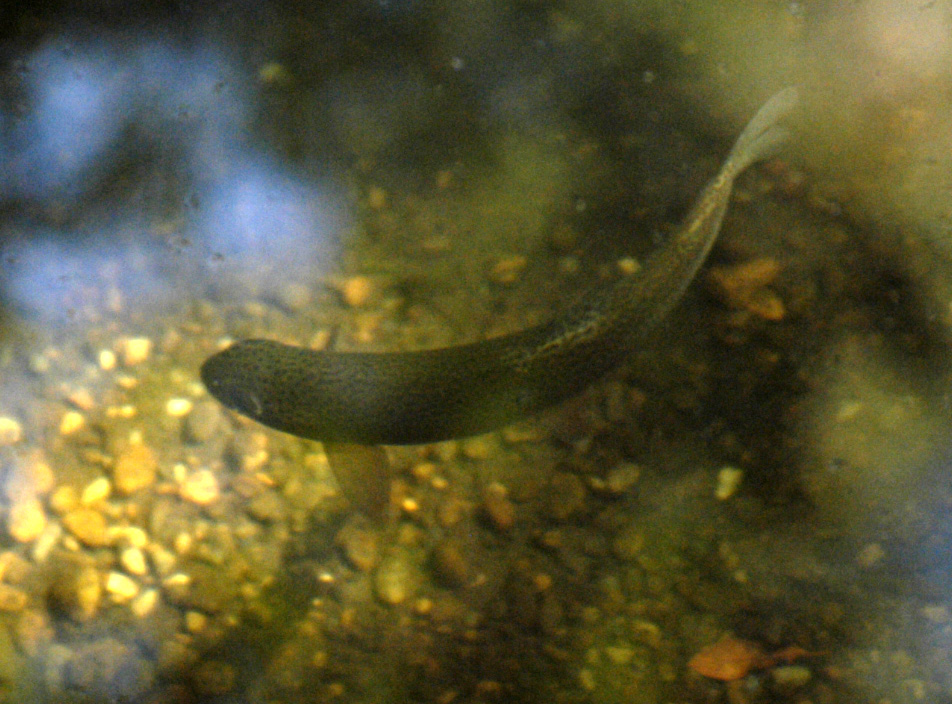
“Habitat destruction is the leading threat to most endangered species,” including Santa Barbara County’s most imperiled animals, such as the California red-legged frog and southern California steelhead trout, said Brian Segee, Legal Director for the Center for Biological Diversity’s Endangered Species Program.
In Santa Barbara County, steelhead trout have been pushed to the edge of extinction by human-related stressors, explained Mark Capelli, steelhead recovery coordinator at the National Marine Fisheries Service. Dams and diversions impede or block migration upstream to their historic spawning areas; flood-control structures degrade their habitats; and agriculture and urban runoff degrade water quality in their streams and estuaries, to name a few.
Steelhead have become the focus of local recovery efforts. However, rescinding the harm rule could make it more challenging to argue for their protection against human encroachment — particularly if it would indirectly harm the fish by hurting their habitat.
Environmental defense attorneys can still make those arguments. But they will need to take a novel approach, without definitive language to point to within the ESA, explained Maggie Hall, deputy chief counsel at the Environmental Defense Center.
No new rule was passed, but rather, the Trump Administration took an existing rule off the books, she said. The DOI called the prior definition of harm an example of “federal overreach.” The department described it as “an unlawful regulatory intrusion that interfered with private property rights.”
The final rule will reduce “unnecessary permitting,” “compliance costs,” and “eliminate confusion” for landowners, energy producers, farmers, and ranchers, the DOI said in its announcement.
However, the ESA’s core protections will remain in place. “Actions that directly injure or kill listed wildlife will continue to be prohibited,” the announcement said. “Existing permits and incidental take statements remain valid and unchanged.”
Still, by limiting “take” — meaning any harm to species — to actions that directly kill individual animals, “the rescission of the harm rule carves a giant hole” in the ESA, said Segee.
If habitat is not protected, he added, it will be much more difficult to prevent species extinction, “and quite possibly impossible to achieve their recovery, which is the central purpose of the ESA.”
Segee said the new reform “ridiculously” allows destruction of seasonal or migratory habitat, such as beaches where sea turtles lay their eggs, during times of year when the species is not physically present.
“Also further illustrating the absurdity of the rescission, the more rare a species is, the more difficult it is to show a direct take,” he said.
Animal and plant species are already running out of places to live, numerous studies show, and more than one-third of species are at risk of extinction — putting ecosystems at risk of collapse. Humans need intact ecosystems, too, for everything from agriculture to clean water, environmentalists argue.
The Center for Biological Diversity and a host of other conservation organizations are suing the Trump Administration to fight the decision, arguing, “The move is illegal, in part because harming species through habitat destruction is prohibited by the law’s statutory language,” the center said in a press release. “The definition repealed by the administration had been on the books for 50 years.”
Environmentalists have monitored the law since President Donald Trump entered office.
His administration has put concerted effort into reforming the ESA, including further changes announced on July 17. Those included eliminating the “blanket rule” enacted by the Biden Administration establishing stronger protections for “threatened” species by allowing them some of the same protections as “endangered” species.
The administration also revised the designation of “critical habitat” to allow for the consideration of “economic” or “national security” impacts — which could include fossil fuel development — before designating an area as critical habitat, and allowing the exclusion of areas from “critical habitat” if that exclusion will not lead to the outright extinction of special status species.
Before that, the Trump Administration exempted all oil and gas activities in the Gulf of Mexico from needing to comply with the ESA, which the Center for Biological Diversity called “an unprecedented and unlawful use of the so-called ‘God Squad’ provision.” It has also kneecapped the federal workforce responsible for managing ecosystems and endangered species.
The DOI called the decisions “commonsense reforms” that will “advance President Donald J. Trump’s directives to strengthen American energy independence, improve regulatory predictability, and ensure federal actions align with the best reading of the law.”
Related Posts





Premier Events

Sat, Oct 10
9:00 AM
Santa Barbara
Treble Clef Chorus Fall Treasure Sale
Sun, Oct 11
5:00 PM
Santa Barbara
Trinity Choir: Choral Evensong

Fri, Oct 09
7:00 PM
Santa Barbara
Paseo Nuevo Spooky Movie Nights

Sat, Oct 10
9:00 AM
Santa Barbara
SBNC 1st Annual Health & Wellness Fair

Sat, Oct 10
1:30 PM
Goleta
🌴 Another Day in Paradise at S.B’s Premier Ice Rink

Sun, Oct 11
7:00 AM
Ojai
Flamenco Guitarist Tony Ybarra
Sun, Oct 11
10:00 AM
Santa Barbara
18th Annual Domestic Violence Solutions Brunch
Sun, Oct 11
10:00 AM
Santa Barbara
Free Community Day at S.B. Botanic Garden

Sun, Oct 11
10:00 AM
Santa Barbara
Downtown Classic Car Show Santa Barbara

Sun, Oct 11
11:00 AM
Santa Barbara
Raíces y Sueños: Bilingual Storytime at Santa Barbara Museum of Art

Sun, Oct 11
2:00 PM
Santa Barbara
The Theatre Group at SBCC Presents: “CLUE”

Sun, Oct 11
10:00 PM
Santa Ynez
Inaugural Santa Ynez Art Walk
Sat, Oct 10 9:00 AM
Santa Barbara
Treble Clef Chorus Fall Treasure Sale
Sun, Oct 11 5:00 PM
Santa Barbara
Trinity Choir: Choral Evensong
Fri, Oct 09 7:00 PM
Santa Barbara
Paseo Nuevo Spooky Movie Nights
Sat, Oct 10 9:00 AM
Santa Barbara
SBNC 1st Annual Health & Wellness Fair
Sat, Oct 10 1:30 PM
Goleta
🌴 Another Day in Paradise at S.B’s Premier Ice Rink
Sun, Oct 11 7:00 AM
Ojai
Flamenco Guitarist Tony Ybarra
Sun, Oct 11 10:00 AM
Santa Barbara
18th Annual Domestic Violence Solutions Brunch
Sun, Oct 11 10:00 AM
Santa Barbara
Free Community Day at S.B. Botanic Garden
Sun, Oct 11 10:00 AM
Santa Barbara
Downtown Classic Car Show Santa Barbara
Sun, Oct 11 11:00 AM
Santa Barbara
Raíces y Sueños: Bilingual Storytime at Santa Barbara Museum of Art
Sun, Oct 11 2:00 PM
Santa Barbara
The Theatre Group at SBCC Presents: “CLUE”
Sun, Oct 11 10:00 PM
Santa Ynez

