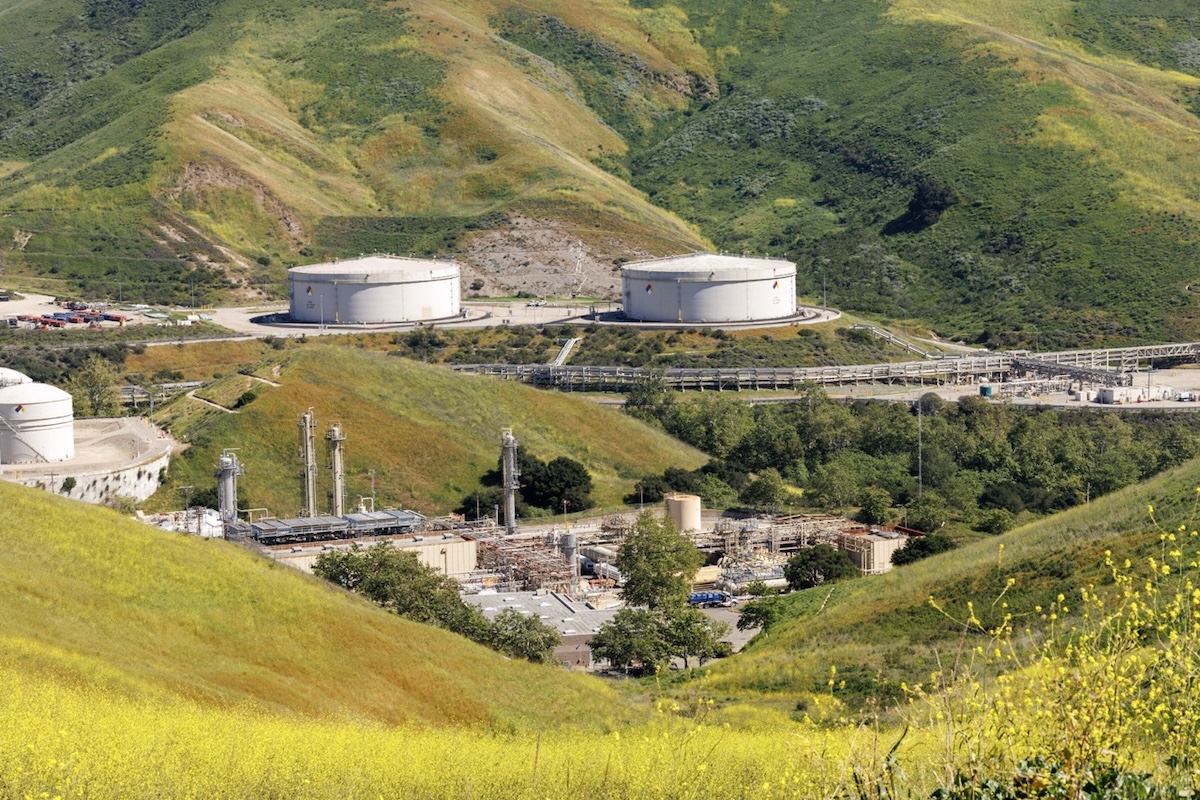
Six months after Sable Offshore Oil relaunched oil production at its Las Flores Canyon Plant in Santa Barbara County — after a 10-year shutdown resulting from a major oil spill caused by pipeline corrosion in 2015 — company attorneys notified county officials that they need county clearance to dig up 12 lengths of pipeline to determine whether they’re as corroded as a federally mandated tests indicated they were. Should the 12 “anomalies” — as these corrosion hot spots are known — eat into the wall of the steel pipeline by 40 percent or more, the company would be required to repair that portion of pipe.
Although the county counsel’s office has not yet decided whether to issue the Houston-based oil company such a clearance — or even what the county’s jurisdictional authority is — Sable work crews have been out digging up pipeline since September 8.
Seven of the anomalies are located along the coast — more typically the jurisdiction of the California Coastal Commission — and four stretches located inland close to Sable’s Las Flores plant. (Two of the anomalies are located at one site.)
For the time being, county officials are saying they do not know how many — if any — of the 12 anomalies will require repair. Regardless, Sable is required to dig up the corrosion hot spots to visually and physically inspect the stretches of pipe to determine if the actual corrosion is as bad as the “smart pig” tests — as they are colloquially known — indicated, using a method known as Inline Inspection that bombards the inner walls of the pipeline with electrostatic energy.
According to county spokesperson Kelsey Buttita, the county does not know how corroded the “smart pig” said the 12 anomaly hot spots were. Nor does she know at this point whether any of the 12 anomalies will need to be repaired. For the time being, the county and Sable are describing these digs as “validation digs.”
According to Buttita, Sable told the county that pipeline excavation and repair can be conducted “live,” meaning that pumping need not stop for the work to get done. The first leg of the work ran from September 8 to 15. The next leg will run from September 18 to 26.
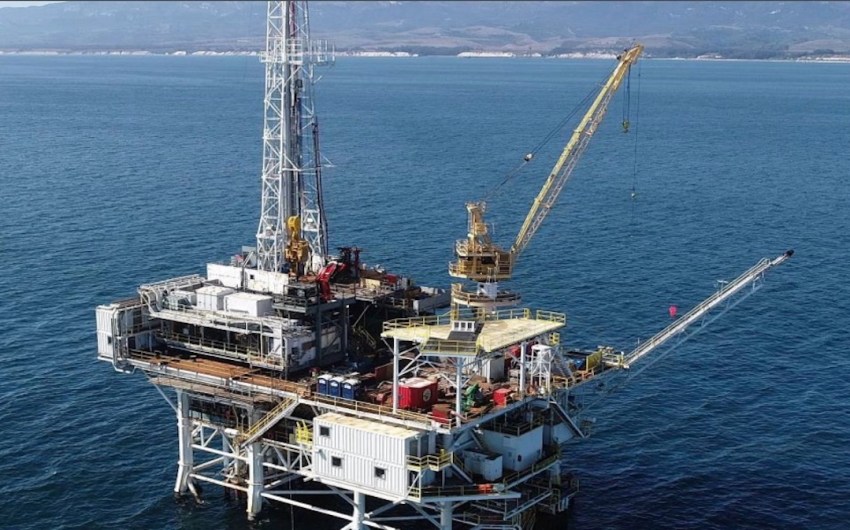
For a host of obvious reasons, corrosion control is an exceptionally hot-button issue where Sable and its pipeline are concerned. Given the viscosity of the crude oil pumped from Sable’s three offshore platforms, the heat required to move that thick oil up our steep mountain slopes, and the condensation that accumulates along the lower half of the pipeline as a result of that heat, Sable’s pipeline is unusually susceptible to corrosion. Making the matter more charged, traditional industry best practices for corrosion control have demonstrated they are simply not up to the challenge here. That — coupled with the criminal neglect evidenced by one of the pipeline’s prior owners — led to the pipeline rupture of 2015 and the 142,000 gallons of crude that spilled as a result in what’s known as the Refugio Oil Spill.
Currently, Sable answers to the federal pipeline safety administration for its marching orders regarding pipeline safety and corrosion control. That federal agency seized oversight authority from the Office of the State Fire Marshal last year at Sable’s request; the Fire Marshal had insisted upon a level of corrosion significantly more stringent than the federal agency and, based on this reading of the rules, denied Sable the restart permit the company then desperately needed. Sable accused the Fire Marshal of moving the goalposts where corrosion control was concerned at the last minute as part of a politically motivated hit by Sacramento Democrats.
Regardless, this federal agency — the Pipeline and Hazardous Materials Safety Administration, or PHMSA — requires that Sable conduct two smart pig tests over nearly 200 miles of pipeline twice a year for the first two years of operation. After those two years, PHMSA will require just one such test.
Sable first notified the county on August 31. According to county spokesperson Buttita, Sable informed the county that the current validation sites “are not located in the exact same locations that were repaired since 2017,” alluding to the 120 anomalies that Sable repaired along the pipeline in the past two years to address the widespread corrosion discovered in the aftermath of the spill. While that description — not “the exact same location” — opens the door to further questions, Buttita added, “Staff confirmed that this is correct based on review of the information submitted.”
Linda Krop, chief counsel for the Environmental Defense Center and one of Sable’s most dogged opponents, expressed legal and operational safety concerns about the news that Sable is digging “validation” sites along the coast and back country.
“According to Sable and the Trump Administration, this pipeline was supposed to be totally safe. But just six months after starting, they are already finding so-called anomalies, which are defects that are serious enough that they require excavations and potential repairs.”
Krop blistered Sable for doing the work without having secured what normally would have been required permits. (With the Trump Administration’s invocation of the Defense Production Act to order Sable to restart production at the end of last year — arguing more oil production is necessary because of national security concerns — anything resembling “normal” ceased to exist as a matter of permitting requirements.)
Krop charged that Sable needs coastal development permits from the Coastal Commission to conduct digs that move 47 cubic yards in the county’s environmentally sensitive coastal zone.
“Just last month, a court ruled that Sable can’t make any repairs to the pipeline in the Coastal Zone without permits from the Coastal Commission,” Krop said.
Calls and texts to Sable representatives for comment have not been returned.
In its September 8 letter to the County of Santa Barbara seeking a “Zoning Clearance Approval” for the pipeline validation and possible repair work required, Sable’s attorney cited an October 12, 2025, letter in which county planning officials notified Sable that their repair work was covered under the county’s initial conditions of approval for the pipeline dating back to the late 1980s. Superior Court Judge Thomas Anderle emphatically rejected that October 12 letter and the legal rationale it articulated and insisted Sable was legally required to secure a Coastal Development Permit from the Coastal Commission.
No doubt the latest safety testing will trigger yet another outpouring of dueling legal briefs. But in the meantime, will the county grant Sable the zoning clearance the company is seeking?
“The county is still evaluating its role,” said Buttita.