

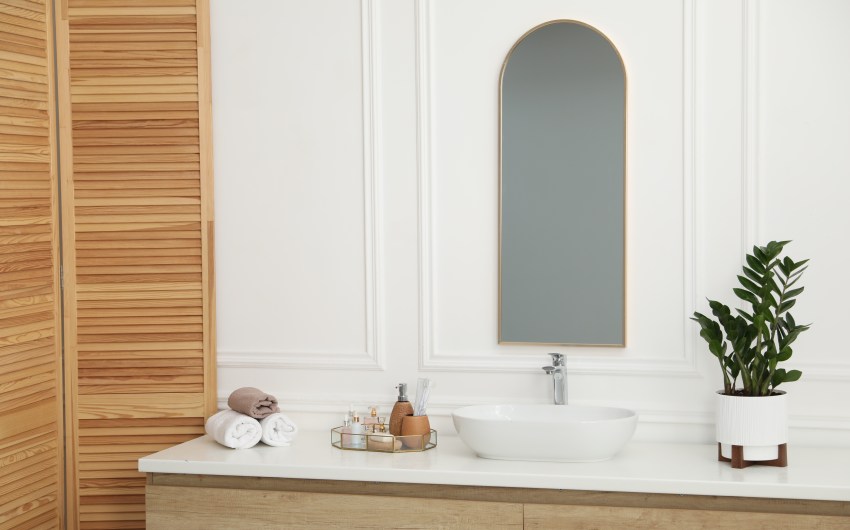
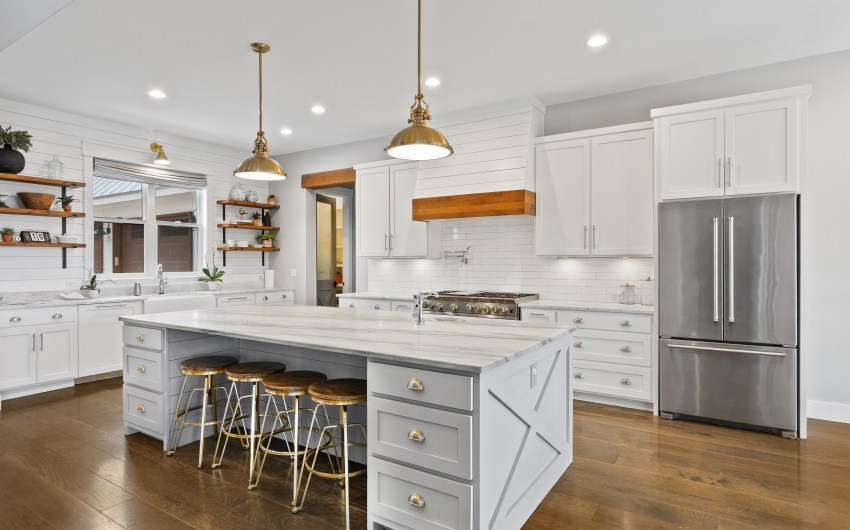
Just when it feels like tariff talk is behind us, new headlines remind us otherwise. The latest round — set to take effect October 1 — includes a 30 percent tariff on furniture and a 50 percent tariff on kitchen and bathroom cabinets. For those of us in the design industry, these tariffs ripple far beyond numbers on a page. They directly impact home remodeling budgets, client timelines, and, unfortunately, the livelihoods of many skilled craftspeople and trades.
It’s no surprise that homeowners are now asking, “Will this affect my renovation plans?” Some are even putting projects on hold, unsure of what costs might look like in the months ahead. High-end renovations using imported materials — such as Italian marble or Spanish tile — are most likely to see price jumps. Other frequently imported staples, such as lumber, plywood, steel, aluminum, and flooring, are also vulnerable to cost increases, since many of these materials come from Canada and Asia. If your project relies heavily on these, it’s smart to build in some cushion for possible price shifts.
While no renovation is completely immune to tariff-related price hikes, some types of work are less vulnerable than others. Let’s take a look at which improvements remain relatively “tariff-proof” — and where it makes sense to move forward with confidence.
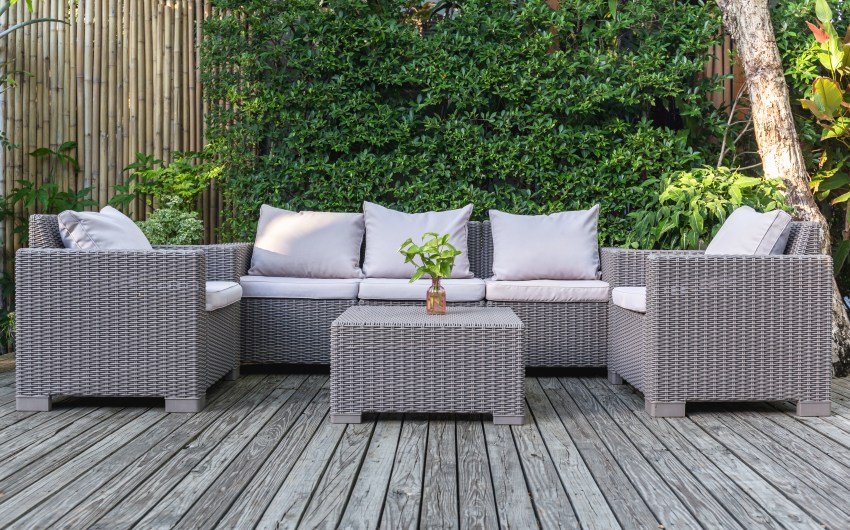
Landscaping and Hardscaping: Outdoor projects are among the safest bets. Materials such as concrete, stone, gravel, and native plants are typically sourced domestically, meaning less exposure to global trade fluctuations. Landscaping with local resources not only avoids tariff-related surprises but also creates a design that’s harmonious with your natural environment.

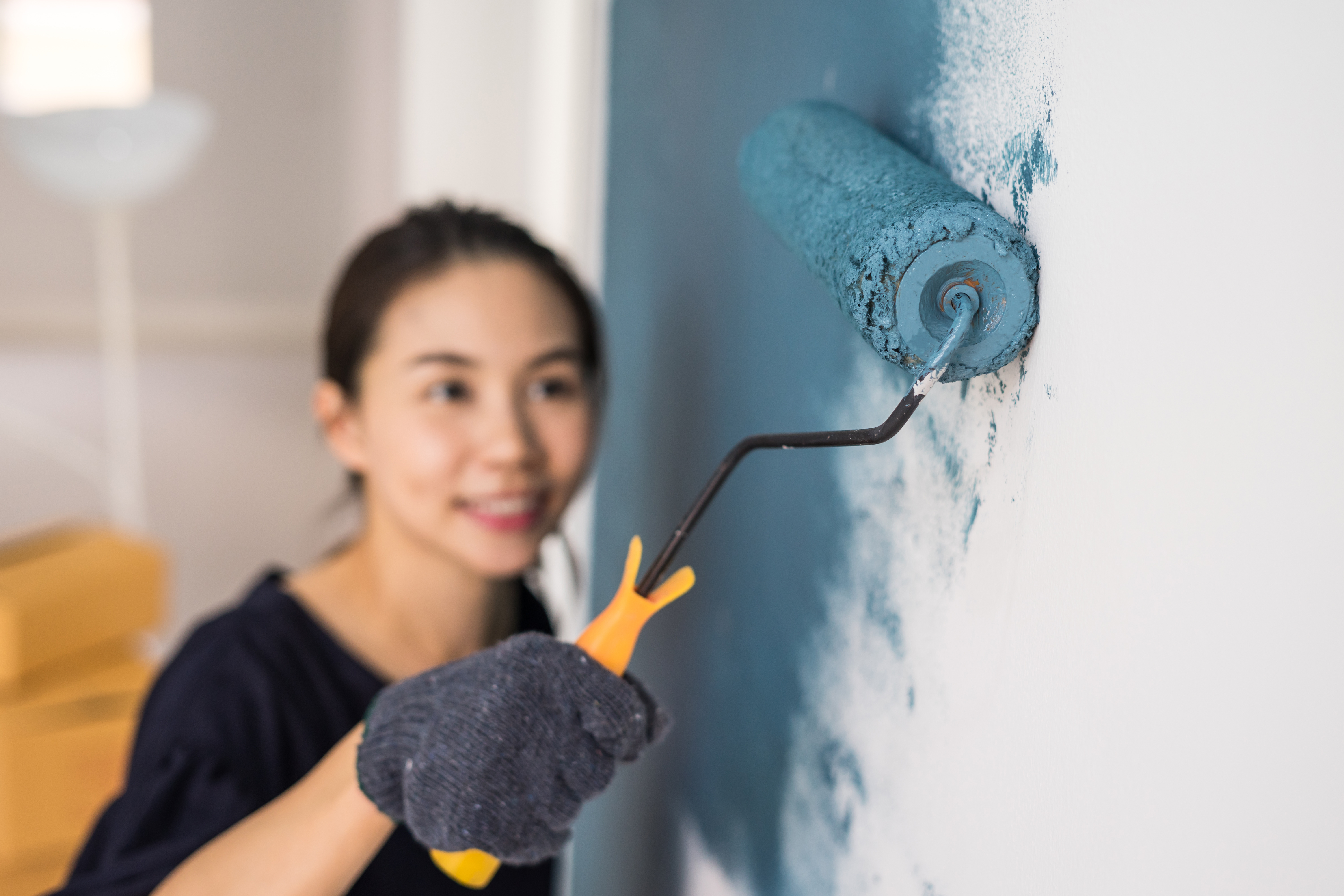
Painting: A fresh coat of paint continues to be one of the most budget-friendly upgrades, and it remains relatively unaffected by tariffs — especially if you choose U.S.-made products. Brands such as Dunn-Edwards (manufactured in Arizona), Sherwin-Williams, and Benjamin Moore produce many paints stateside. That said, some raw materials are imported, so you might see slight increases in cost.
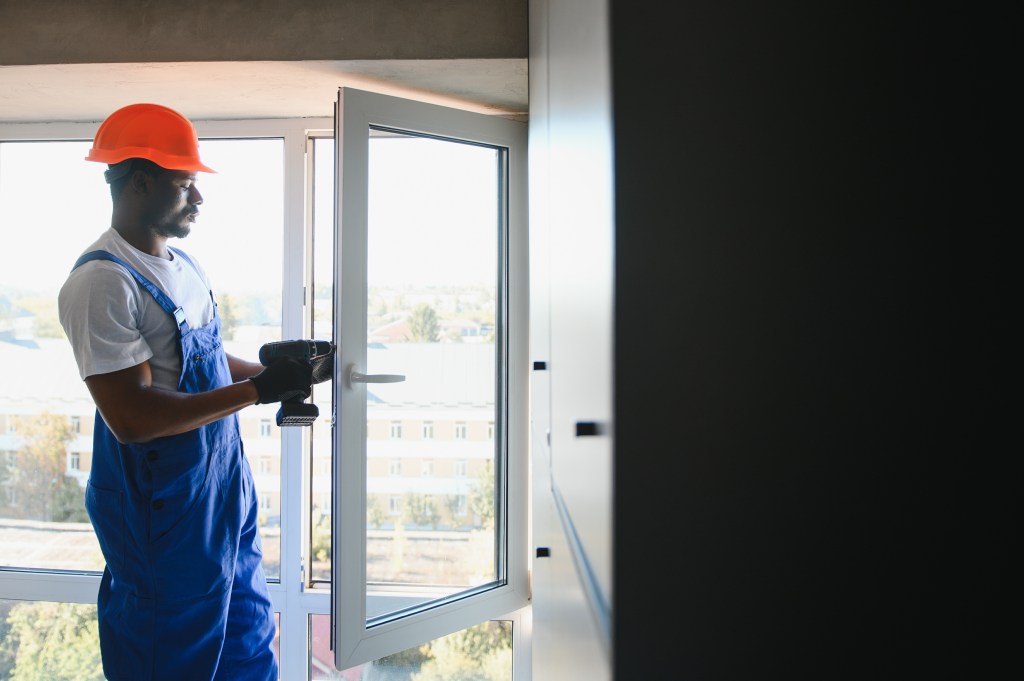
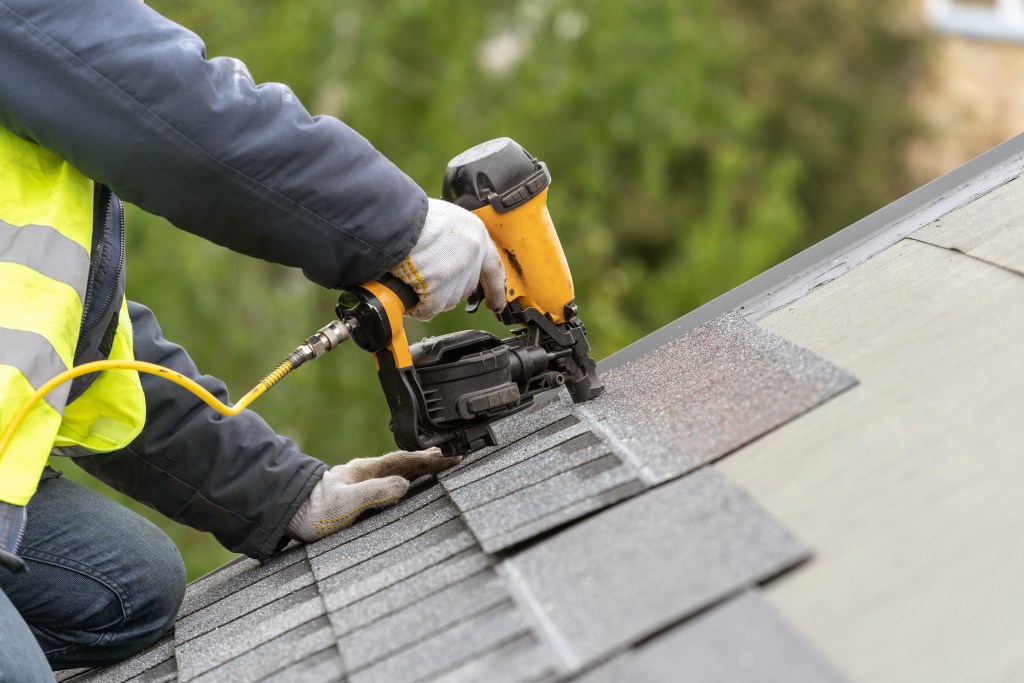
Windows and Roofing: Many windows and roofing materials (such as asphalt shingles) are produced in the U.S., which helps insulate these projects from major tariff-driven hikes. Still, some components — particularly those sourced from Mexico or Canada — could edge costs up a bit, but nowhere near the level of cabinetry or imported stone.
Basic Maintenance: Simple tasks such as cleaning gutters or minor repairs are generally tariff-proof and don’t involve significant amounts of imported materials.
Domestic Cabinetry: Projects focusing on new or refaced cabinets using U.S.-made materials are a safer bet.
If you’re planning a renovation, don’t let tariff uncertainty stall your entire project. Instead, lean on your contractor or designer’s expertise. Ask which materials they’re currently seeing hold steady in price and availability — and which ones may be better to hold off on for now.
At the end of the day, design is always about balance: balancing beauty and function, investment and value, and, in this case, balancing the desire to move forward with the realities of global trade. By choosing the right scope and materials, you can still create a stunning transformation without letting tariffs derail your vision.
Christine S. Cowles is the owner of Saltwood Interiors, an interior design company specializing in residential and vacation short-term rental properties. She is a certified Short-Term Rental StylistTM, member of Santa Barbara Association of Realtors Real Estate Staging Association, and a proud WEV graduate. She can be reached at design@saltwoodinteriors.com.








You must be logged in to post a comment.