In the past five years, greenhouse-gas emissions throughout Santa Barbara County increased by one percent despite two major planning initiatives launched by the county supervisors to bring such emissions down by 50 percent by the year 2030. County sustainability planners yoked to the task of reducing these emissions conceded there was little hope the 50 percent goal could be achieved by 2030.
Supervisors Joan Hartmann and Laura Capps sought to put a brave face on the numbers, noting that the increase in greenhouse gases would have been significantly higher absent the county’s green-minded exertions. Supervisor Roy Lee observed optimistically that four of the county’s five supervisors now drove electric vehicles.
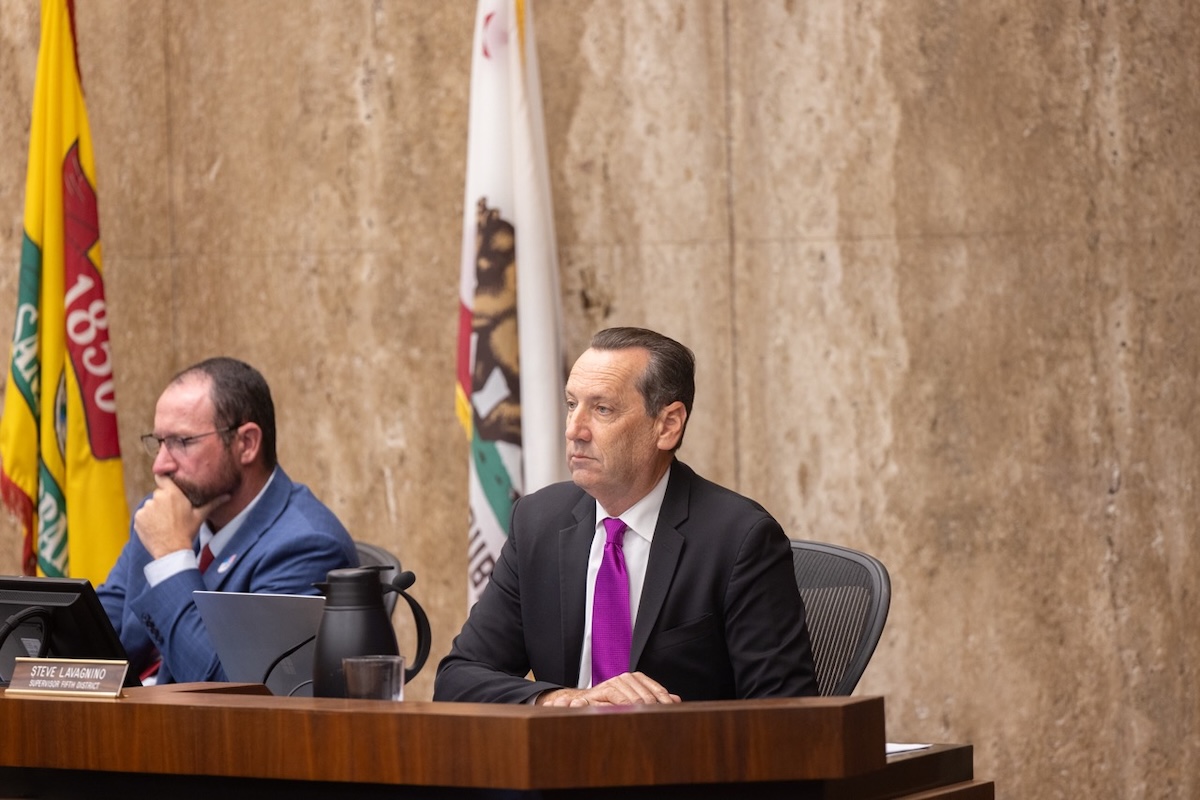
More fatalistic, Supervisor Steve Lavagnino stated, “Americans are addicted to convenience. That’s what we do.” He described getting stranded without juice after having rented an electric car during a recent trip to Phoenix where the dearth of charging stations was inconvenient in the extreme.
Supervisor Hartmann, for whom climate change is of paramount importance, noted that China is now filling the global void in cheap electric vehicles. Donald Trump, she said, abdicated what could have been a lucrative market to Chinese manufacturers because of his hostility to EV. Trump’s Big Beautiful Bill decimated EV subsidies.
Michael Chiacos with the Community Environmental Council said the numbers were better than they looked at first blush. Non-residential natural gas use declined by 30 percent, he said, and emissions produced by the internal combustion engine dropped by 8 percent. County stats indicate total fuel sales dropped significantly since the peak of 2018.
While such sales have climbed back somewhat, they still remain lower. Onshore oil well production countywide dropped by 26 percent, but associated emissions declined only by 13 percent. That discrepancy might be explained because companies generating less than 10,000 metric tons of carbon dioxide are not required to report such emissions to the state.
While individual supervisors disagreed over what to make of these numbers, they voted unanimously to accept the report.