A new ballot measure will give Santa Barbara voters a chance to decide on an update to the city’s charter giving the city much more flexibility with contracts for city-owned property. The proposed measure will be on the ballot in the June 2 special election, and if approved, would allow the city to negotiate contracts longer than the current term limit of 50 years.
The City Council unanimously approved the plan to add the measure to the ballot for the June election, including the allocation of $195,000 from the city’s general fund reserve to cover associated costs of consolidating the measure with the statewide primary election.
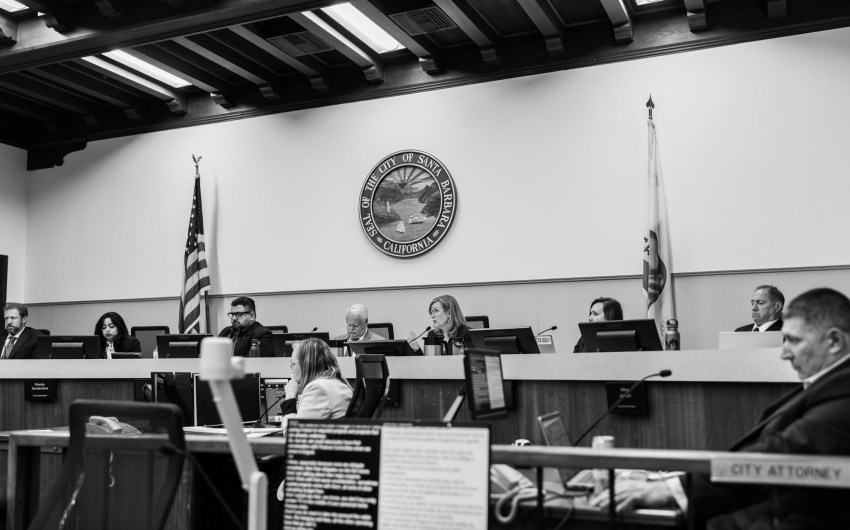
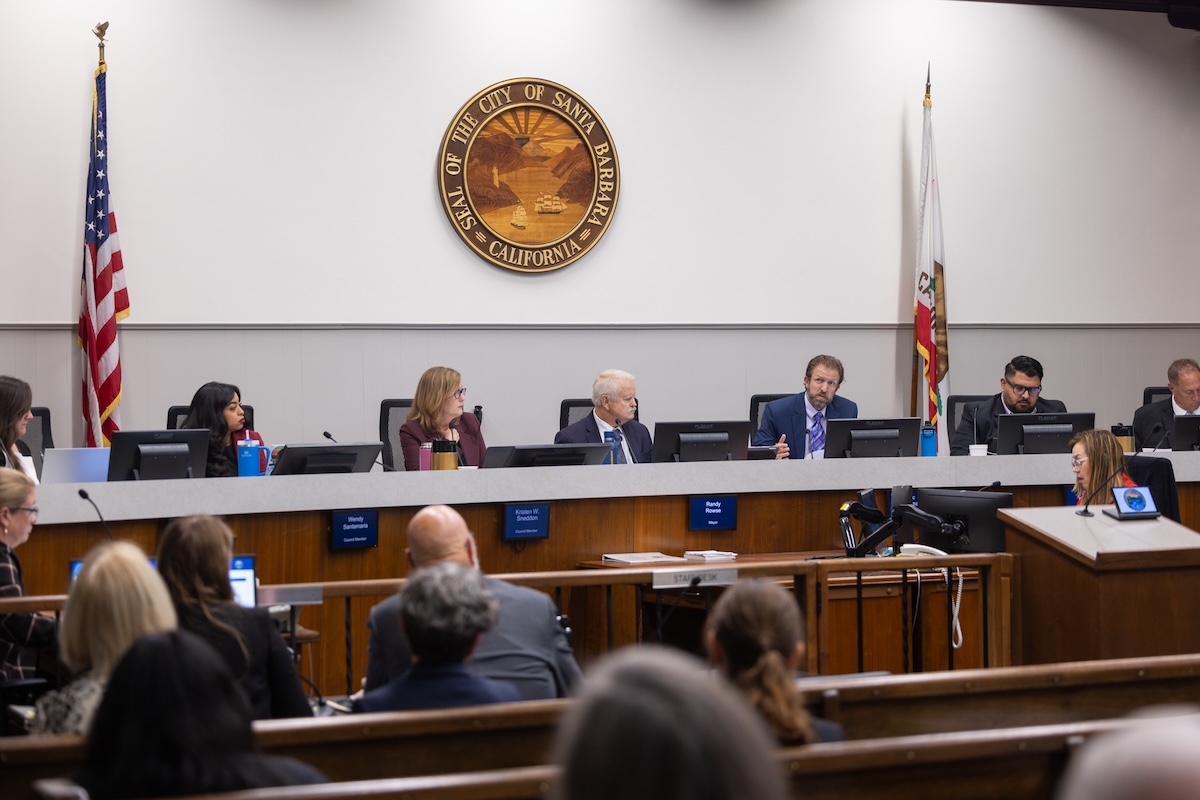
City Administrator Kelly McAdoo outlined the details of the plan during Tuesday’s council hearing. McAdoo explained that the change would allow the city to streamline contract approval and prevent costly delays. The ballot measure, while not explicitly tied to negotiations regarding Paseo Nuevo, would also give the city the ability to negotiate longer contracts — a major sticking point in the plan to revive the downtown mall.
“Particularly as negotiations with Paseo Nuevo are ongoing, we believe it provides maximum flexibility with that, as well as other issues that may be coming up,” said City Administrator Kelly McAdoo. “I recognize the challenge of adding additional funding there, but we do believe that it is an important enough issue that we should move forward in June.”
Current restrictions give the city fewer options with leases on city-controlled property, and any changes must be approved through a “burdensome” ordinance process, which can take up to 40 days to take effect. This process has already “substantially interfered” with the city’s ability to manage leases for its major properties, such as Paseo Nuevo.
Mayor Randy Rowse expressed concerns about spending extra money to get the measure on the June ballot as opposed to waiting until November, which could be done for a lower cost of $40,000. Mayor Rowse also worried about voters having an expectation that passing the ballot measure would lead to new life for the Paseo Nuevo project.
“That’s a separate standalone abstract situation,” Rowse said. “I just don’t want this to confuse that issue.”
If voters approve the ballot measure, the city would be able to enter into leases as long as 99 years. These longer lease terms could give tenants more long-term security and incentive to invest in upgrades.
City Attorney John Doimas said there was inherent value in making the change, which could clear up the “legal quagmire” to help avoid awkward contract negotiations, even for leases with shorter terms of five years.
While councilmembers could not advocate for or against the measure itself, there was unanimous support behind placing it on the June ballot for voters. The council cleaned up the language that would appear on the ballot, and made another change to the wording of the charter amendment.
The amendment would give the city the “authority and flexibility to approve contracts for sale, lease, or use of city property” according to terms established by City Council. Voters will decide whether or not to adopt the proposed amendment on June 2.