
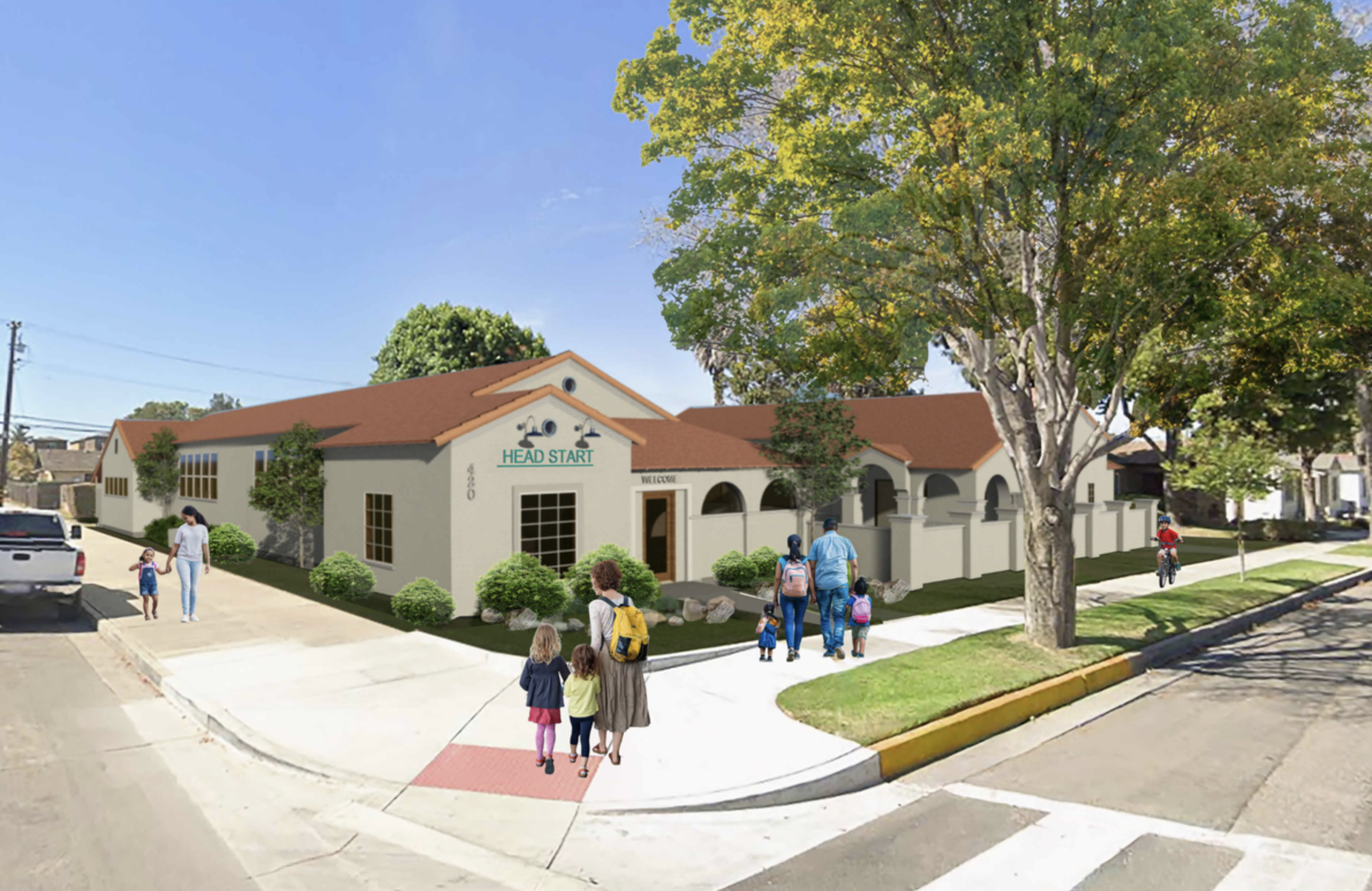
Across Santa Barbara County, the need for childcare is great and providers are few.
But in downtown Santa Maria, low-income families are gaining a new childcare center within walking distance of their homes.
CommUnify, the local nonprofit that facilitates the federally funded childcare program Head Start, just announced its purchase of the former Grace Lutheran Preschool in Santa Maria for $950,000.
A complete makeover is planned, including four new classrooms, a commercial kitchen, outdoor learning space, and two play yards.
It will serve up to 70 low-income children and their families a year, at a time when the need for childcare is high and federal support for social programs has waned.
But no matter what happens at the federal level, CommUnify is still committed to serving the county’s children, said CEO Patricia Keelean.
A Neighborhood of Need
Opening a new childcare center in Santa Barbara can be challenging, with costs, permitting, and other red tape often slowing the process.
CommUnify, however, has some help. It is funding the project with a $1.3 million state grant and a loan from the Low-Income Investment Fund, along with federal dollars through Head Start, which operates under the U.S. Department of Health and Human Services (DHHS).
Still, “The work ahead is substantial and additional funds will be raised to complete the renovation,” CommUnify said in a press release.
Head Start primarily serves working families and single parents. Many North County parents work long hours in agriculture, healthcare, or restaurants and hotels.
Need in Santa Maria is especially high: Only two in 10 infants and toddlers have access to a licensed childcare space, while about 4,000 live under the federal poverty line and are therefore income-eligible for Head Start.
CommUnify currently serves 572 children and families countywide, but many eligible families in need cannot access services.
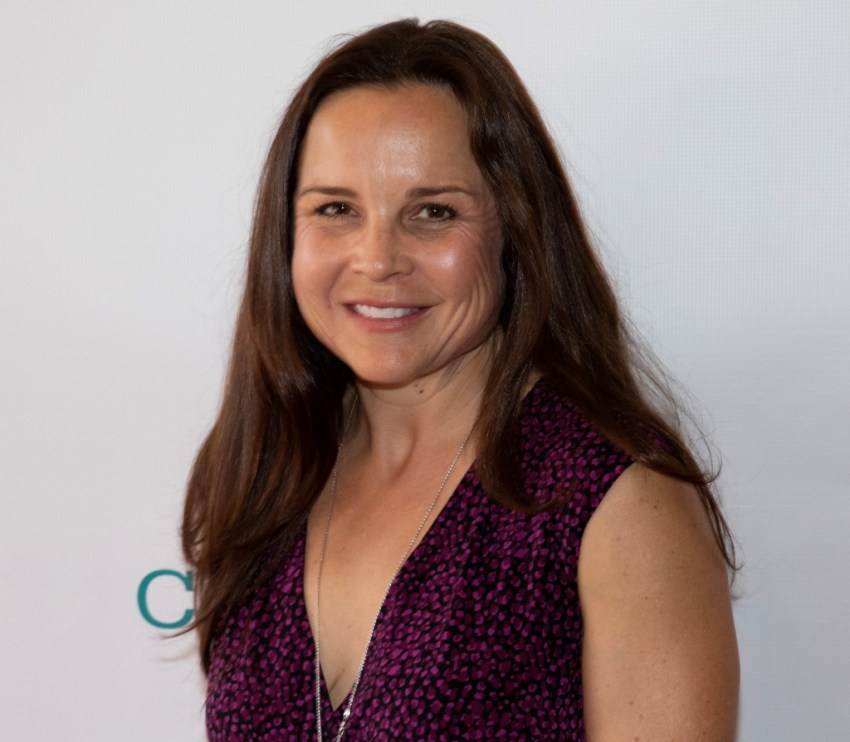
The new center will help relieve the burden for families in Santa Maria and Orcutt. Expected to open in summer 2028, it will serve children from 3 months to 5 years old, with two classrooms focused on infants and toddlers and two focused on preschool-age children.
For many low-income families, Head Start is a one-stop shop. Along with childcare and education, the program provides three nutritious meals a day, diapers and wipes, and healthcare screenings and mental wellness services.
Parents receive support as well, including help maintaining employment, accessing community resources, and pursuing degrees. The ultimate goal is to “break the cycles of multi-generational poverty,” said Jennifer Macdonald, CommUnify’s director of children’s services.
“It’s really focusing on the whole child and the family to ensure that all of their needs are being met, so they can thrive,” Macdonald said.
During program hours, starting early and ending late to accommodate working parents, children engage in art, science, sensory play, and gardening where they grow some of their own food.
“We really like to use natural materials and create a calming, homey feeling when you come into our spaces,” Macdonald said.
CommUnify was already operating throughout Santa Maria, but downtown has been underserved, she added. “We have needed more access on this side of town,” she said.
CommUnify also lost a facility in Orcutt at the end of last year. Macdonald said the organization would like to expand there eventually, but is focusing first on communities with the greatest need.
Families who qualify within the income bracket pay nothing for Head Start services. “Right now, all of the children and families we serve are receiving these services for free,” Macdonald said. Parents also participate in Head Start’s governance and decision making processes.
“They are their child’s first teachers,” Macdonald added.
Bad Timing?
The new property was purchased as Head Start faces a potential federal overhaul.
The DHHS released a roughly 150-page Notice of Proposed Rule Making (NPRM) earlier this month, claiming that its proposed changes will “expand access, reduce red tape, and refocus the program on its core mission of preparing America’s most vulnerable children for success.”
The new rules will allegedly save $2.2 billion in costs and increase available slots for families.
But providers say the proposals have some major drawbacks. One proposal would triple the number of children per teacher. CommUnify has historically run classrooms with one teacher for every four infants or toddlers; the proposed rule would increase that to one teacher for every 12.
“And if you’ve been around infants and toddlers, you know that they require a high level of care,” Keelean said.

The new rules could also reduce services such as health screenings and behavioral wellness support in areas where low-income families may not be able to access or afford such services otherwise.
Scariest of all, Keelean said, is that the NPRM proposes reducing administrative costs from 15 percent to 5 percent. Virtually no nonprofit has ever survived on such a low rate, she said.
Meanwhile, Head Start providers are still reeling from the whiplash effect dealt by the Trump administration last year. Originally, the “One Big Beautiful Bill Act” included a proposal to eliminate Head Start funding entirely. But Congress intervened.
“There is a tremendous amount of bipartisan support in Congress for the Head Start program,” Keelean explained. “The Head Start program is not just an early education and childcare program, but it’s also an anti-poverty program.”
Although Head Start remained fully funded, cuts have long been part of the Trump administration’s agenda, including proposals in Project 2025. If enacted, the new NRPM could effectively undermine the program in a way that efforts to outright eliminate it could not achieve.
CommUnify survived last year’s uncertainty, but “again, we’re seeing new challenges,” Keelean said. “And we’re going to review these new rules … and bring awareness to these issues.”
She said they hope to see the majority of Head Start standards stay in place.
“There is a purpose for every one of those rules, and primarily those purposes are ensuring the quality of care and education that we’re providing, and we’re not willing to sacrifice that,” she said.
The timing for the new center is difficult, she acknowledged. But federal funding is not the organization’s only source of support. For example, the state provides funding for pre-K programs.
“We feel like this is a community and a neighborhood that needs our support, and we’re excited that, regardless of what happens at the federal level, we’re moving forward to ensure that we meet those needs,” she said.
The public has until October 6 to submit public comments on the proposed rules to the Office of Management and Budget. To learn more about the proposed changes to Head Start and how to submit public comments, visit here.
Related Posts








Premier Events

Mon, Sep 21
5:30 PM
Santa Barbara
S.B. Independent: Santa Barbara City Council District 6 Forum

Tue, Sep 22
1:00 PM
Santa Barbara
“The Lost Weekend” – The Photography of May Pang

Wed, Sep 23
7:30 PM
Ojai, CA
Laurie Anderson at the Libbey Bowl

Thu, Sep 24
5:30 PM
Santa Barbara
Book Talk and Reception: Annabelle Gurwitch on Her New Memoir

Thu, Sep 24
7:30 PM
Santa Barbara
SB Blues Society Presents Nick Moss Band w/guest

Fri, Sep 25
3:00 PM
Santa Barbara
Family Movie Night at the Eastside Library: “Encanto”

Fri, Sep 25
7:00 PM
Santa Barbara
Patio Sessions at Carr Winery Presents: The Genuine Article

Mon, Sep 28
5:30 PM
Santa Barbara
S.B. Independent: Santa Barbara City Council District 4 Forum

Tue, Sep 29
7:00 PM
Santa Barbara
Birds of California’s Channel Islands – Lecture and Book Signing

Wed, Sep 30
12:00 PM
Santa Barbara
Origins of Fashion in France: Zoom Lunch & Learn
Mon, Sep 21 5:30 PM
Santa Barbara
S.B. Independent: Santa Barbara City Council District 6 Forum
Tue, Sep 22 1:00 PM
Santa Barbara
“The Lost Weekend” – The Photography of May Pang
Wed, Sep 23 7:30 PM
Ojai, CA
Laurie Anderson at the Libbey Bowl
Thu, Sep 24 5:30 PM
Santa Barbara
Book Talk and Reception: Annabelle Gurwitch on Her New Memoir
Thu, Sep 24 7:30 PM
Santa Barbara
SB Blues Society Presents Nick Moss Band w/guest
Fri, Sep 25 3:00 PM
Santa Barbara
Family Movie Night at the Eastside Library: “Encanto”
Fri, Sep 25 7:00 PM
Santa Barbara
Patio Sessions at Carr Winery Presents: The Genuine Article
Mon, Sep 28 5:30 PM
Santa Barbara
S.B. Independent: Santa Barbara City Council District 4 Forum
Tue, Sep 29 7:00 PM
Santa Barbara
Birds of California’s Channel Islands – Lecture and Book Signing
Wed, Sep 30 12:00 PM
Santa Barbara


You must be logged in to post a comment.