

There are only a few countries that are carbon-negative, and they are all small. Only one has been officially certified, and that is the Kingdom of Bhutan. It offsets four times as much carbon as its economy emits.
Most materials have a positive carbon footprint, meaning that the harvesting, extraction, manufacture, and shipping related to them releases carbon, or in other words, that they contribute to the climate crisis. Steel, concrete, and aluminum are among the worst offenders.
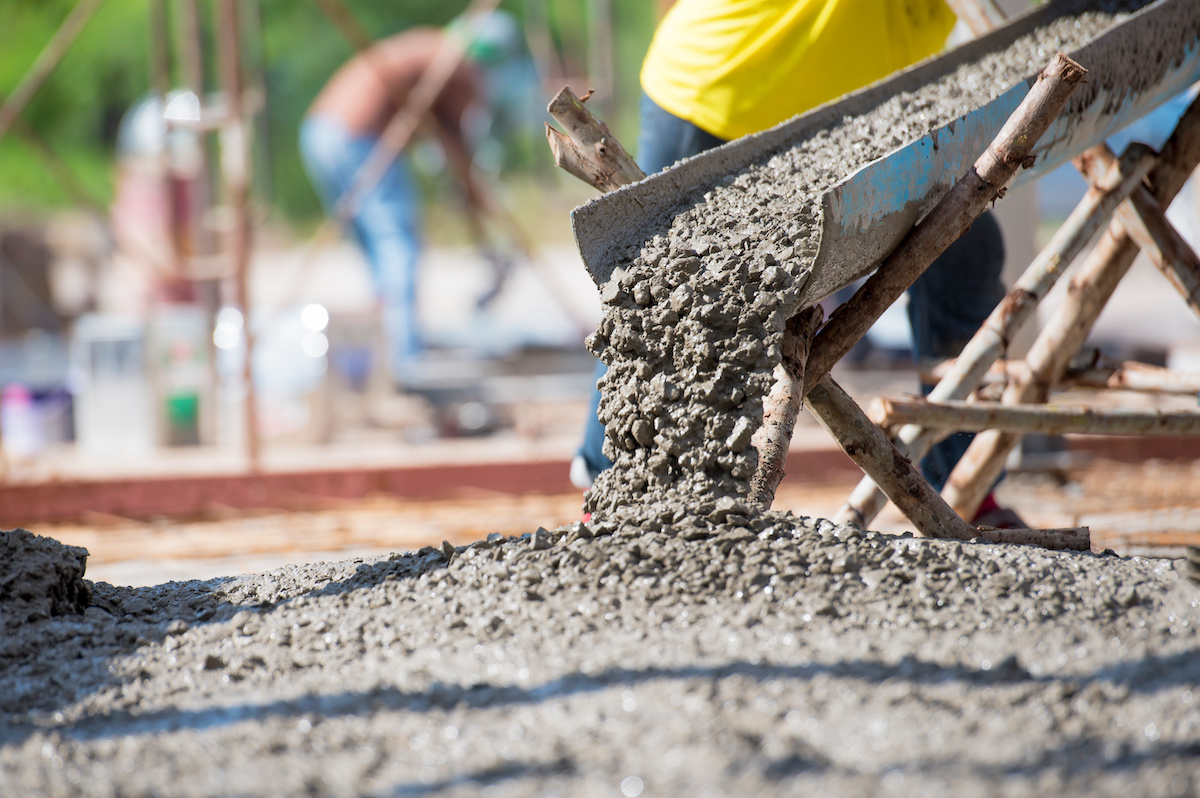
The building sector has been a major contributor to carbon emissions. Cement, the binder component of concrete, accounts for 8 percent of global carbon emissions, or 25 percent of all industrial emissions. One ton of cement emits almost a ton (0.9) of carbon. If we could populate an imaginary country with all the cement manufactured every year, it would be the third largest carbon-emitting country, trailing only the U.S. and China.
Universities and private companies are researching ways to reduce concrete’s carbon impact. One company, Partanna Global, has developed a concrete that minimizes CO2 emissions during manufacture while offsetting these few emissions by absorbing carbon from the atmosphere during the curing process. According to the company, it is as versatile and affordable as traditional concrete, and in addition, it is stronger and more durable.
Of course, the company does not reveal its proprietary formulas, but does say it uses steel slag, a biproduct when iron ore is turned into steel. It also uses desalination waste, a chemical left behind when brine or saline water is made potable. This alkaline, calcium-laced water saturates the slag during formulation, creating reactive compounds that absorb CO2 into the concrete mix to become the binding agent. Moreover, these reactive compounds continue absorbing carbon from the air throughout the life of the concrete.
Since cement, a key component of concrete, is ubiquitous in buildings, Partanna, by developing a carbon-negative concrete, has been able to easily take the next step and create carbon-negative homes. They have built their first negative homes in the Bahamas and have secured an agreement with the government to build 1,000 more. Each of these modest 1,250-square-foot homes will capture 182 tons of CO2 from the air, the equivalent to the annual carbon absorbed by more than 5,000 mature trees.
Another factor that helped convince the Bahamas to commit to these new homes is that the concrete gets stronger when exposed to seawater, whereas traditional concrete is weakened by this exposure. This makes it ideal for low-lying communities faced with the threat of sea rise and storm surges.
Carbon-negative concrete would shift the building industry from being one of the biggest contributors to climate change to helping heal the planet, while recycling waste products into the concrete.
Related Posts




Premier Events

Thu, Apr 09
7:00 PM
Santa Barbara
POSTPONED – Journey Within: Wisdom & Meditation with Gurudev – POSTPONED
Fri, Apr 10
2:00 PM
Santa Barbara
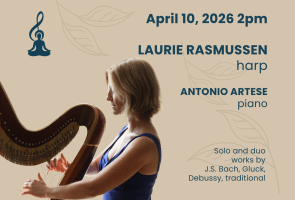
Music & Meditation SB – Concert April 10, 2026
Sun, Apr 12
11:00 AM
Solvang
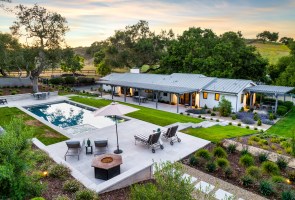
Santa Ynez Valley Home + Build Showcase

Mon, Apr 13
7:00 PM
Santa Barbara
New Horizons – Antonio Artese West Coast Trio

Tue, Apr 07
7:30 PM
Solvang
ABRA Cadabra – ABBA Tribute Band

Wed, Apr 08
11:00 AM
Santa Barbara
True Story of Fremont Foxen & the San Marcos Pass

Wed, Apr 08
1:00 PM
Santa Barbara
Día de los Niños

Wed, Apr 08
2:00 PM
Santa Barbara
Online Talk: The Work of a Fashion Curator w/ ASU FIDM Director
Thu, Apr 09
6:00 PM
Santa Barbara
Chaucer’s Books – Poetry Night

Thu, Apr 09
7:00 PM
Santa Barbara
CWC Docs: The Other Roe

Thu, Apr 09
7:30 PM
Santa Barbara
Doublewide Kings Benefit Concert

Fri, Apr 10
7:00 PM
Ventura
Rubicon Theatre Presents “Somebody to Love”

Fri, Apr 10
7:00 PM
Santa Barbara
Unity Singers’ Spring Concert

Sat, Apr 11
10:00 AM
Los Olivos
Tomatomania! Santa Ynez Valley
Thu, Apr 09 7:00 PM
Santa Barbara
POSTPONED – Journey Within: Wisdom & Meditation with Gurudev – POSTPONED
Fri, Apr 10 2:00 PM
Santa Barbara
Music & Meditation SB – Concert April 10, 2026
Sun, Apr 12 11:00 AM
Solvang
Santa Ynez Valley Home + Build Showcase
Mon, Apr 13 7:00 PM
Santa Barbara
New Horizons – Antonio Artese West Coast Trio
Tue, Apr 07 7:30 PM
Solvang
ABRA Cadabra – ABBA Tribute Band
Wed, Apr 08 11:00 AM
Santa Barbara
True Story of Fremont Foxen & the San Marcos Pass
Wed, Apr 08 1:00 PM
Santa Barbara
Día de los Niños
Wed, Apr 08 2:00 PM
Santa Barbara
Online Talk: The Work of a Fashion Curator w/ ASU FIDM Director
Thu, Apr 09 6:00 PM
Santa Barbara
Chaucer’s Books – Poetry Night
Thu, Apr 09 7:00 PM
Santa Barbara
CWC Docs: The Other Roe
Thu, Apr 09 7:30 PM
Santa Barbara
Doublewide Kings Benefit Concert
Fri, Apr 10 7:00 PM
Ventura
Rubicon Theatre Presents “Somebody to Love”
Fri, Apr 10 7:00 PM
Santa Barbara
Unity Singers’ Spring Concert
Sat, Apr 11 10:00 AM
Los Olivos

