
[Updated: Wed., Oct. 8, 2025, 8:20am]
Sometimes the only sensible course of action, it seems, is to take no action. But only temporarily. At least, that was the verdict of all five county supervisors this Tuesday when confronting an excruciating decision forced upon them by the Trump administration involving the medical fate of 7,500 undocumented public health clinic patients whom Trump is seeking to bar from receiving any federal medical benefits.
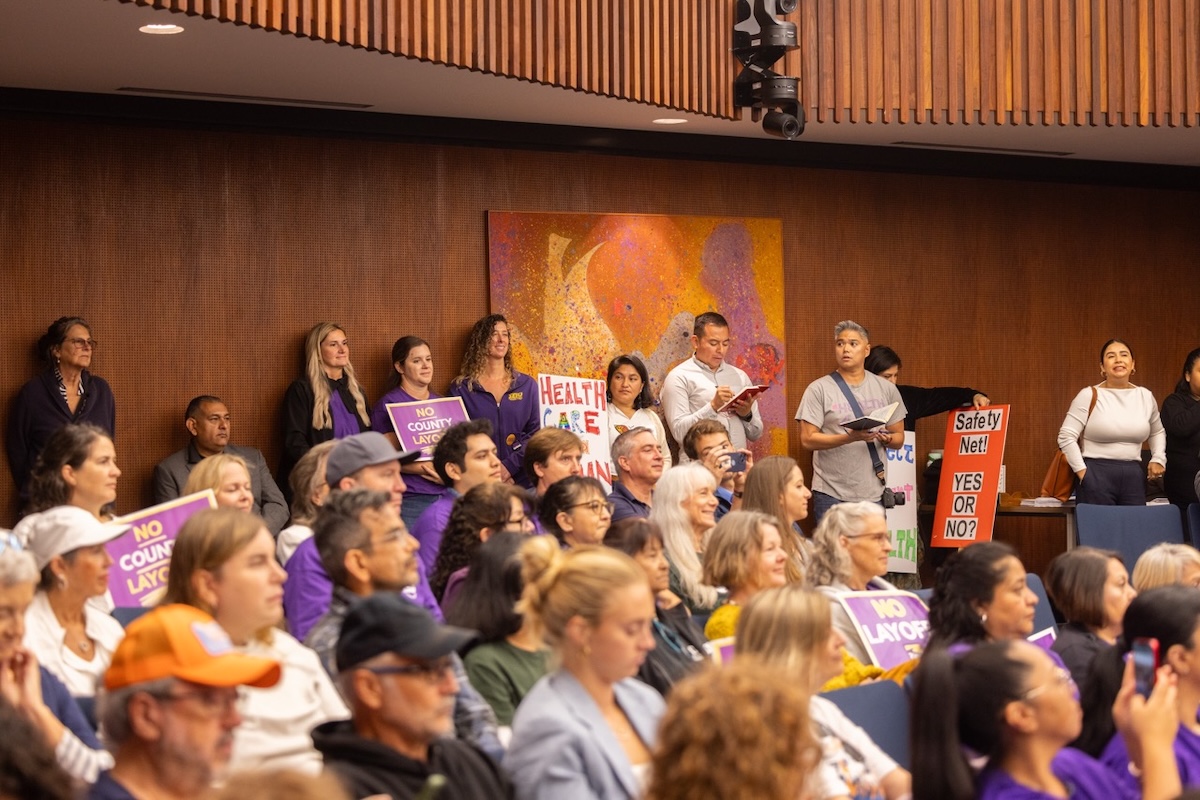
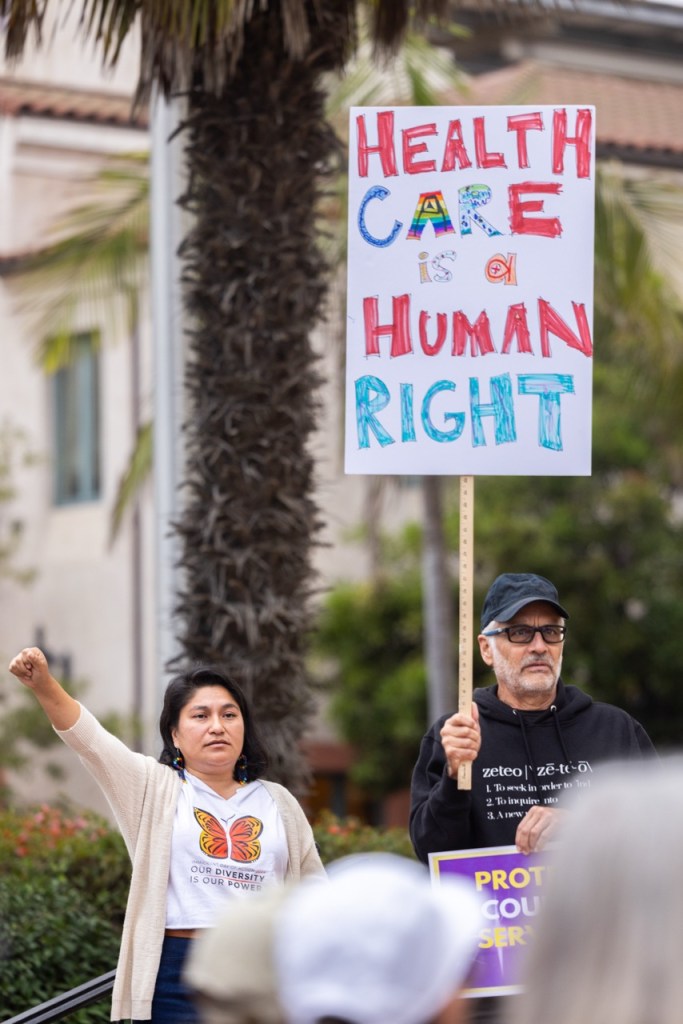
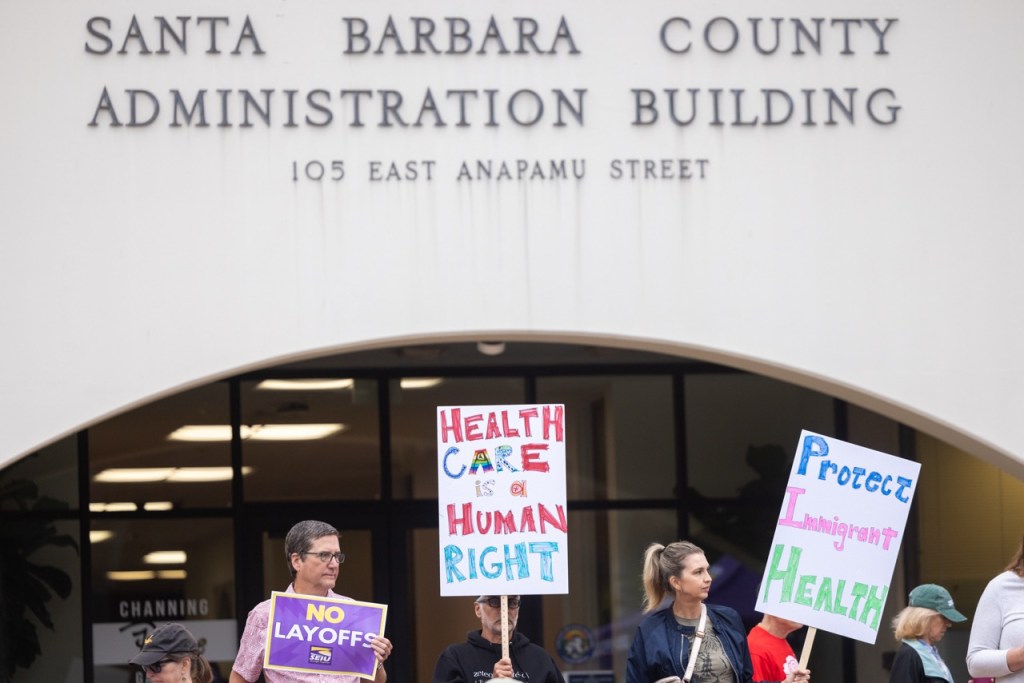
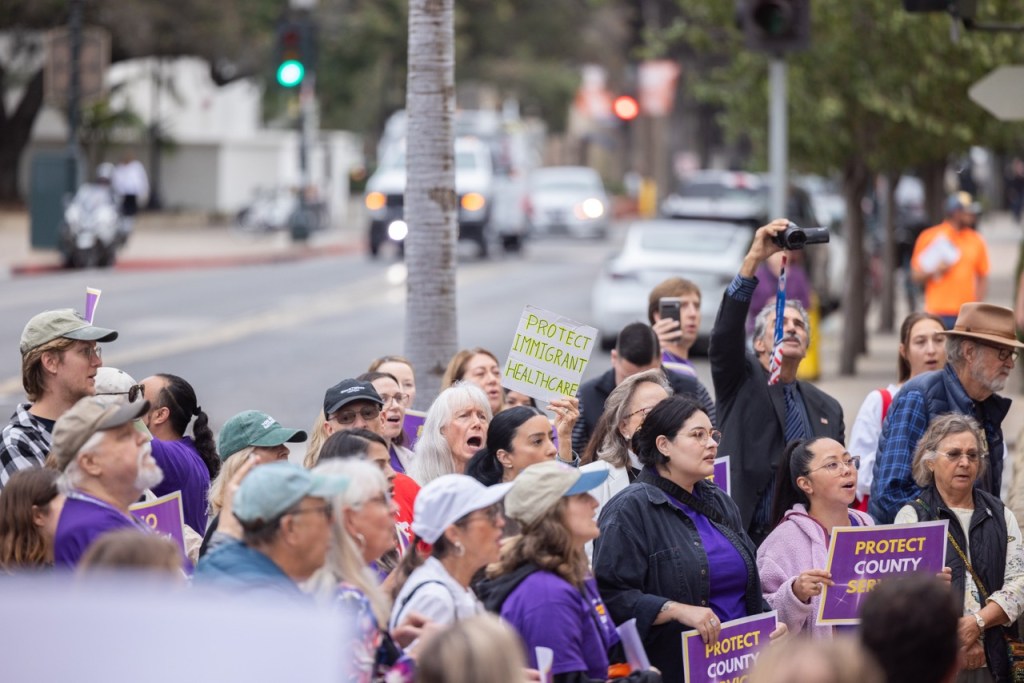
The supervisors opted to postpone action for one month so that county health officials can meet and confer with the immigrant rights activists who rallied outside the county administration building early in the morning and then packed the supervisors’ chambers once the meeting got started. Presumably, the delay will also allow the supervisors some time to assess their legal and financial vulnerability should they not comply with the healthcare-for-citizens-only edict, as many of the 56 speakers strongly urged them to do.
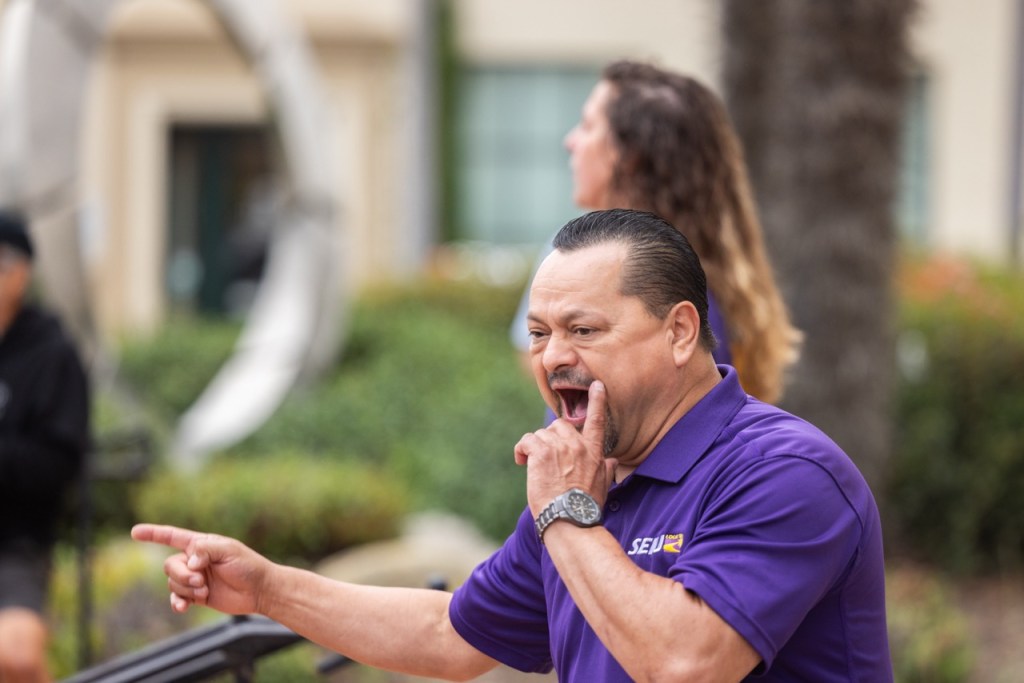
Mostly, the speakers expressed anger and a sense of betrayal because they hadn’t been alerted by county public health officials that they intended to transfer one quarter of their public-clinic patient load to other healthcare providers so as to avoid the wrath and retribution of the Trump administration. They accused county health officials of acting prematurely, noting that an injunction still remains in place, effectively blocking the White House edict from taking effect.
Santa Barbara County, they noted, is the first county in the state to cave, pointing out that “rule number one when dealing with fascists is to not pre-obey.”
Public Health Director Mouhanad Hammami was not remotely persuaded. “I take offense at the use of the word ‘premature,’” he stated. “Delaying this is not going to solve the problem.”

By acting now, Hammami said, the county has the time necessary to make sure its undocumented clinic patients actually get relocated. He told the supervisors that CenCal Health — a nonprofit insurance provider for all Medi-Cal recipients in Santa Barbara and San Luis Obispo counties — has identified alternate providers for all 7,500 clients. But given the complexity of many of clients’ medical history, he warned at great length, several months will be necessary to make sure such transitions are successful. The deadline he had set was for January 1, 2026.
In closed session several months ago, the supervisors reportedly had approved that plan unanimously. But more specifically, the supervisors were asked this Tuesday to approve laying off 56 positions in the Public Health Department to help offset the loss of $8.2 million in federal revenues that these undocumented clients bring in. Of those positions, 36 are currently occupied by warm and sentient bodies; the remainder of the positions are vacant.
Laura Robinson, head of SEIU Local 620, the union representing public health clinic workers, noted that the county ended the year with a $14.7 million surplus. She said that money should be spent as the last line of defense for the most vulnerable population. Instead, she noted, it would be used to cover the amortized annual cost of the North County jail expansion project — a cool $14 million a year. As always, she added, with a rueful edge, the choice is between health care or incarceration
For the supervisors, there was a shared sense of urgency that the undocumented public health patients are safely relocated. But they’re equally alarmed that the Trump administration might seek penalties for noncompliance or, even worse, that it might seek “a clawback” — triple damages for making payments on “false claims.” The last time the county faced a false-claim complaint, it had to pay $28 million to get out of it. One speaker — an immigrant rights attorney — sought to assure the supervisors that the injunction barring the edict from taking effect was on firm ground. Again, Public Health czar Hammami was not persuaded. “I heard two words there,” he said in response. “‘Likely’ and ‘hope.’ ‘Hope’ and ‘likely’ are not policy.”









You must be logged in to post a comment.